STEM and science activities are one of the easiest ways to turn ordinary curiosity into real learning, and also one of the easiest to underuse — tried occasionally, without much sense of what fits a child’s age or how to keep it going. This guide brings together everything on this site about STEM and science at home: what to try, how to match activities to your child’s stage, how to build real problem-solving skills, and how to turn it into a routine that actually sticks.
Getting started with everyday materials
Science at home doesn’t require a purchased kit — a kitchen, a recycling bin, and a few minutes of setup cover most of what a young child needs to start exploring. Easy STEM Activities for Kids Using Household Items covers a full set of low-barrier starting points, from sink-or-float tests to simple ramps, all built around things most homes already have.
Matching activities to your child’s age
An activity that fascinates a seven-year-old can lose a toddler within seconds, and matching the format and pace to your child’s actual stage makes the biggest difference in how well it lands. Science Experiments for Kids by Age walks through what tends to work at each stage, from sensory exploration for toddlers through real hypothesis-testing in elementary school.
Starting even younger
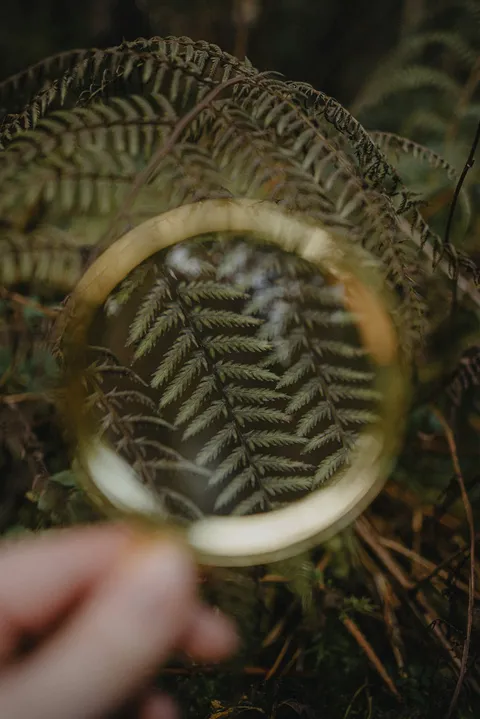
Preschoolers are natural scientists in the sense that matters most — they notice, touch, and ask questions — and the activities that work best for this age lean into that instinct rather than fighting it. Simple Science Activities for Preschoolers covers short, sensory-first activities built specifically for this stage, including color mixing, melting and freezing, and simple nature walks.
Building real problem-solving skills
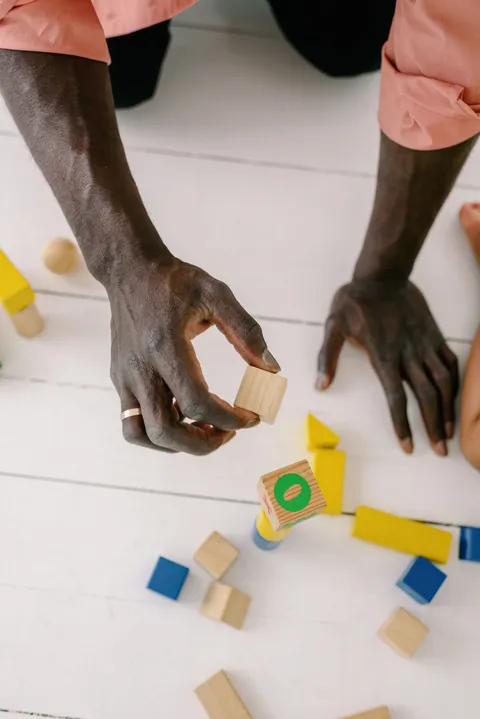
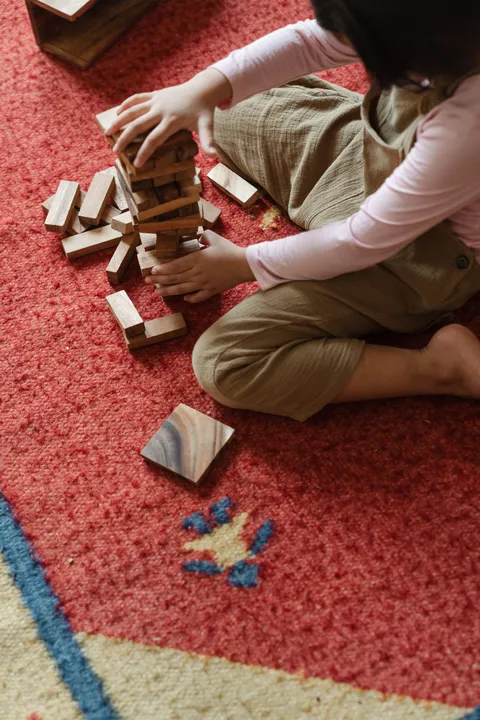
Some activities are mostly about a satisfying result to observe; others hand a child a genuine obstacle to work through, which is where real problem-solving gets practiced. STEM Activities That Build Problem-Solving Skills covers activities like freestanding tower challenges and simple mazes built specifically around this kind of thinking, and includes the Advanced Logic & Problem Solving: Skill Practice Workbook as a more structured option for days when a from-scratch activity isn’t practical.
An occasional bigger moment
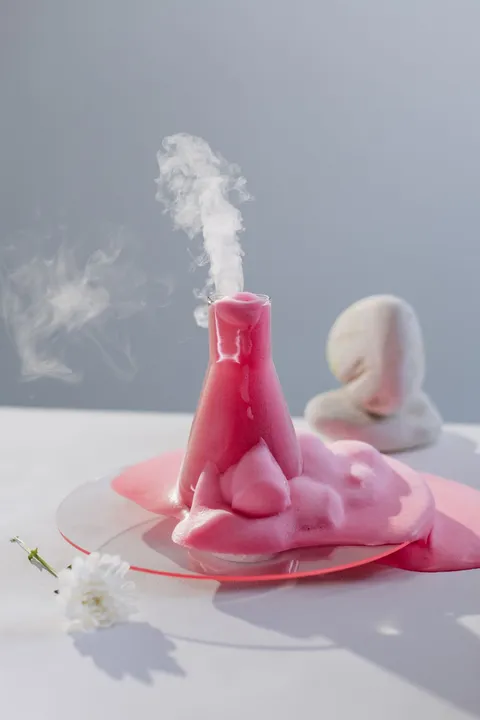
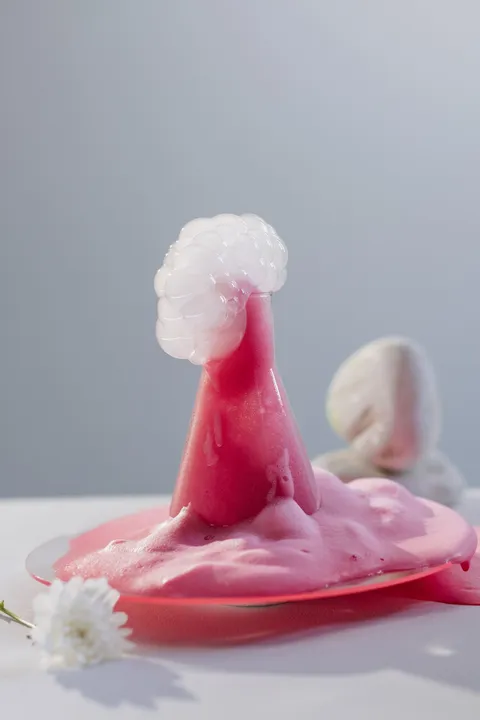
For a slightly more involved activity with a bigger, more dramatic payoff, the classic baking soda and vinegar volcano experiment introduces a real chemical reaction kids can see and feel, along with a simple explanation of why it happens.
Turning it into a habit
None of the benefits above require an elaborate setup — they come from activities happening somewhat regularly, which mostly means removing friction: a rough sense of when, a simple list to choose from, and low pressure around finishing every activity a particular way. How to Build a Simple Science Habit at Home walks through exactly how to build that kind of low-effort, repeatable routine.
Bringing it together
STEM and science activities reward consistency more than any single elaborate experiment. A simple, repeated rhythm — activities matched to your child’s current stage, an occasional one built around problem-solving specifically, and a routine that’s easy to keep going — covers most of what makes hands-on science genuinely valuable at home. The five companion guides linked throughout this article go deeper on each piece: getting started with household items, choosing activities by age, gentler options for preschoolers, building problem-solving skills, and setting up a routine that actually lasts. Start with whichever piece is most relevant to where your family is right now.
Frequently asked questions
Do I need a science background to do these activities with my child?
No. Every activity in this guide is designed to work without any special knowledge — noticing and describing what happens together is the point, not delivering a correct scientific explanation.
What’s the single best way to get started if we’ve never done science activities at home?
Pick one short, low-prep activity from this guide and try it once, without worrying about building a full routine right away. A single successful, low-pressure try tends to matter more than an ambitious plan that’s hard to sustain.
How is this different from a school science lesson?
It’s meant to be looser and more exploratory — there’s no requirement to cover specific content or reach a particular conclusion. The goal at home is building curiosity and comfort with hands-on exploration, which complements rather than duplicates what happens at school.