This is one of the most reliable classroom and kitchen-table science experiments, and it introduces real chemistry concepts in a way young children can see and feel.
What you’ll need
- Baking soda
- White vinegar
- A small container or a homemade “volcano” shape (modeling clay or a plastic bottle works well)
- A tray to catch overflow
- Optional: red or orange food coloring for a lava effect
Step-by-step instructions
Step 1: Build the volcano shape
Place a small bottle or cup on a tray and, if desired, build a cone shape around it using modeling clay or crumpled paper and tape.
Step 2: Add the baking soda
Spoon two to three tablespoons of baking soda into the container.
Step 3: Add color (optional)
Mix a few drops of red or orange food coloring into a quarter cup of vinegar for a more dramatic effect.
Step 4: Trigger the reaction
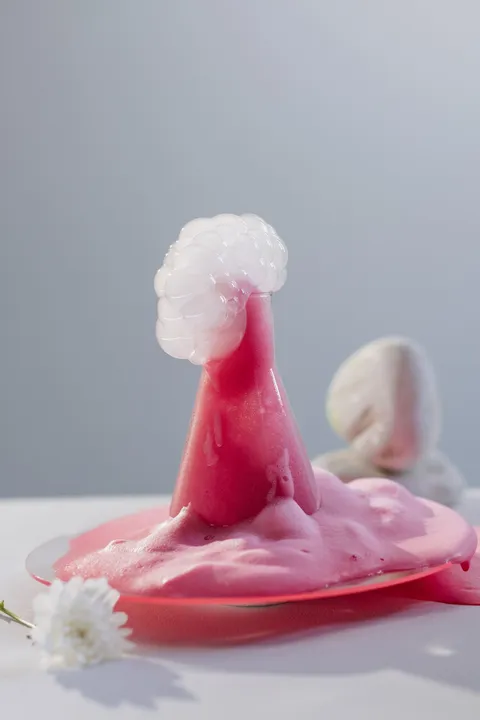
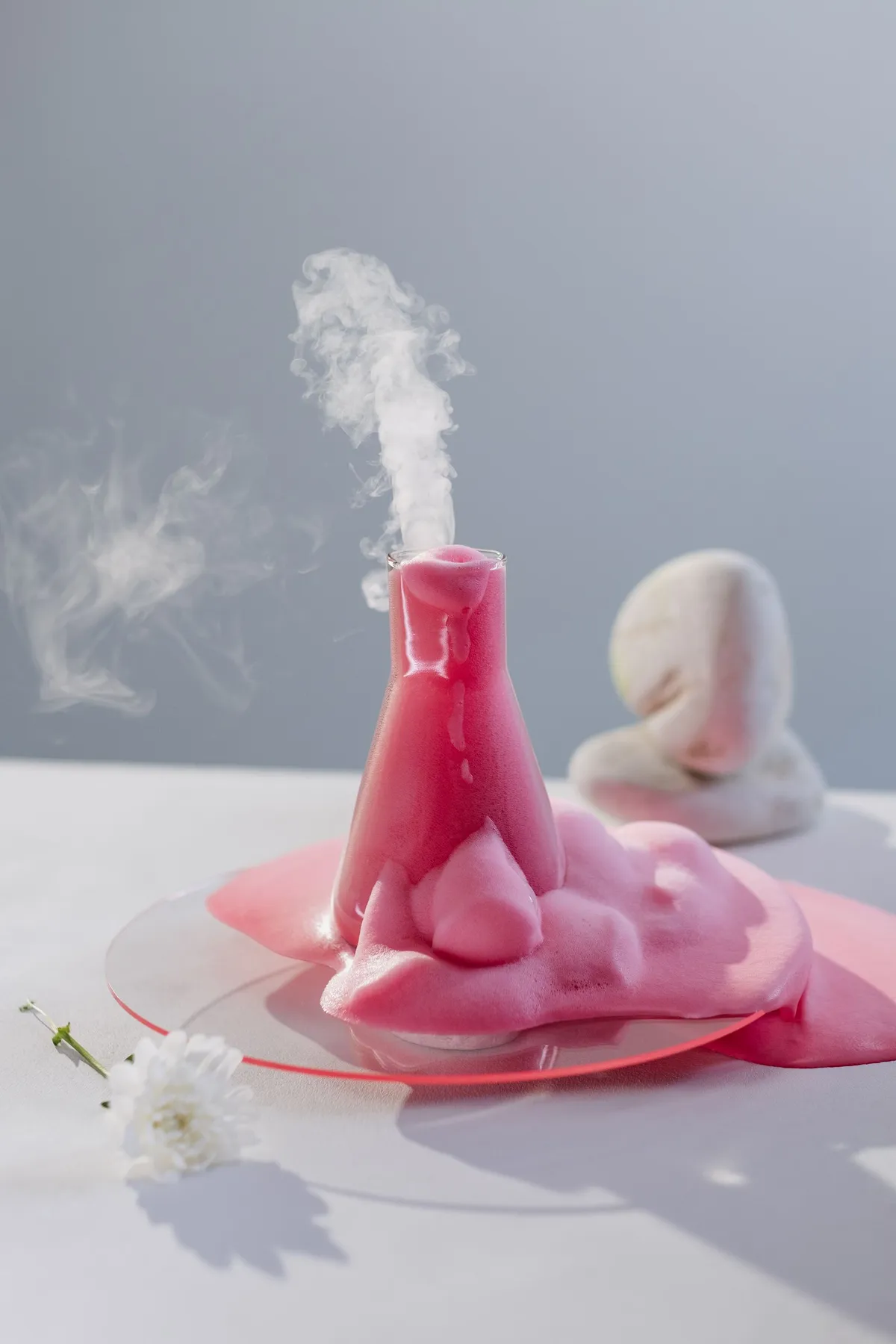
Pour the vinegar into the container with the baking soda and step back to watch the eruption.
Extending the activity
Ask children to predict what will happen before pouring the vinegar, then compare their prediction to what actually occurred. This turns a fun demonstration into a genuine introduction to the scientific method: predict, observe, and explain.
For more hands-on experiments organized by age, see Science Experiments for Kids by Age, or for other household-item science ideas, see Easy STEM Activities for Kids Using Household Items. STEM and Science Activities for Kids at Home: The Complete Guide ties this together with the rest of the site’s science content.