Picture the moment before a meltdown: the clenched fists, the louder voice, the sense that something is about to spill over. Now imagine your child walking to a soft spot by the window, hugging a cushion and taking a few slow breaths. That is the dream behind a calm down corner, and with practice a version of it can happen in real life.
This guide explains what a calm down corner is, how to set one up, what to put in it, which rules help and how to introduce it. It builds on the ideas in our guide to calm-down activities for big emotions.
What a calm down corner is and is not
A calm down corner is a small, designated space where a child can go to feel safe and settle strong emotions. It gives the body a place to slow down and gives the child a chance to practice self-regulation with support.
What it is not:
- A punishment or time-out. If the child feels sent away in disgrace, the corner will not work. It should feel like a refuge.
- A fix for every problem. It helps with some situations, such as frustration or overwhelm, and not others. Some feelings need a hug, a talk or a snack first.
- A place for adults to disappear. Young children need you nearby, especially toddlers.
Children are still learning to manage feelings, so the corner is a training tool you use together over time.
Step 1: Pick the spot
Look for a place that is:
- Quiet and low traffic. A corner of the bedroom, a nook by the sofa or a quiet side of the living room.
- Visible to you. You should be able to keep an eye on your child without hovering.
- Away from screens and loud toys. A calm area needs fewer sensory distractions.
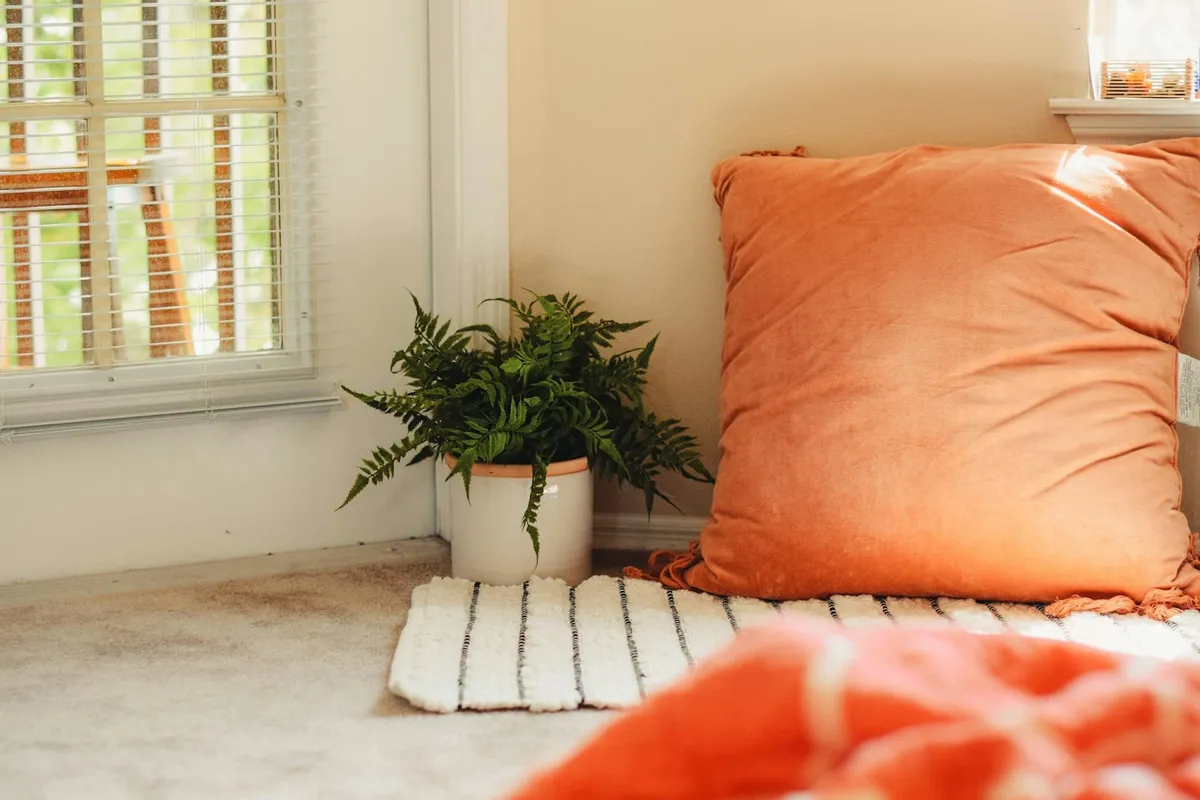
- Cozy. Soft light and some cushioning invite a child to settle.
A small tent, a bean bag, a corner behind a bookcase or even a large cardboard box with a blanket can work. You do not need a whole room.
Step 2: Choose what goes in it
Less is more. A cluttered corner becomes a play area. Aim for four categories:
- Something soft. A cushion, a blanket or a stuffed animal for hugging.
- Something to squeeze or fidget with. A stress ball, a piece of play dough or a soft, washable squishy toy.
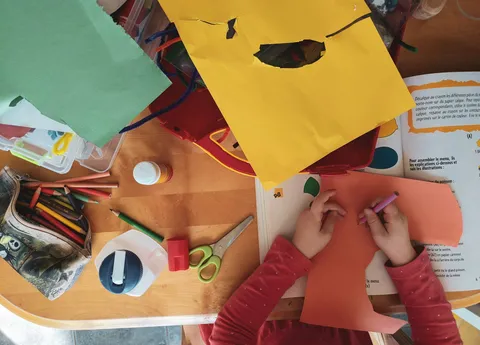
- Something calming to look at or do. A picture book, drawing paper and crayons, or a sensory bottle such as a sealed jar of water and glitter. Our article on coloring as a calm-down activity explains why drawing can help some children settle.
- A reminder of the steps. A simple card with pictures: breathe, squeeze, count, ask for help.
Some families add a feelings chart with faces, a small timer or a pair of kid-safe headphones for noisy environments. Let your child help choose the items so the corner feels like theirs.
Free printable: Calm Down Corner Kit (3 pages)
A feelings chart, a My Calm Choices steps card with simple rules, and a grown-up setup checklist.
Step 3: Agree on simple rules
A few clear rules make the corner predictable. Keep them short and positive, and say them in your child’s own words:
- The corner is for calming down. It is not for toys or games.
- We keep our bodies and things safe. No throwing or hitting in the corner.
- Anyone can use it. Parents can use it, too, which models the behavior.
- We come back when we are ready. Then we talk about what happened if needed.
Skip a strict time limit for young children. A rough guide, such as “until your body feels calmer,” works better than a fixed number of minutes, though you can offer a gentle timer for older kids.
Step 4: Introduce it when everyone is calm
The worst time to meet the calm corner is in the middle of a meltdown. Introduce it on a quiet day:
- Show your child the space and let them help arrange it.
- Sit in it together and read a story or practice breathing.
- Explain what it is for: “When your body feels too big and angry, you can come here to help it feel small and calm.”
- Practice a pretend upset: “Let’s pretend I’m mad. What can I do?” Take turns acting out the steps.
A short story can reinforce the idea. When I Feel Angry: A Story About Big Emotions is a 10 to 15 page illustrated PDF storybook for ages 4 to 8 that models coping strategies such as deep breathing and using words, and it includes conversation starters for parents and teachers. It is a $1.99 one-time download that you can print or read on a screen, and it can be a pleasant way to talk about when and why we might head to the corner.
Step 5: Use it in real moments
When your child starts to get upset, stay calm and offer the corner as a choice, not a command:
- “I can see you are really frustrated. Do you want to go to the calm corner or take a hug?”
- Walk with them if they are young, and sit nearby.
- Keep your words few and your voice soft.
- Do not talk through the problem yet. Wait until the body has settled.
Afterwards, reconnect with a hug and talk briefly: “What happened? What helped?” If the upset involved hurt feelings or a broken rule, move on to a simple repair. Our guide to helping kids name and handle anger offers scripts for this step.
Ideas by age
- Toddlers (about 2 to 3). Treat it as a cuddle spot. Keep it small and add a board book. Expect to sit with your child every time.
- Preschoolers (about 3 to 5). Add a picture card of steps and a squeezy toy. Practice breathing with a pinwheel or a feather.
- School age (about 6 and up). Let them design their own corner, add a journal or drawing pad, and consider a feelings thermometer to rate how big the feeling is.
Making it work in a classroom or small space
If you are a teacher, or you live in a small home, you can still make a calm corner:
- Use a rug, a basket of items and a poster on the wall.
- Set clear rules for how many children can use it at a time.
- Allow children to self-refer, and also invite them gently when you notice signs of overwhelm.
- Pack a “calm box” or a pouch for car trips or visits to grandparents.
A portable kit might hold a small stuffed animal, a fidget, a picture card and a few drawing supplies.
Troubleshooting
- The corner turns into a toy zone. Remove extra items, and keep a rotating basket of only a few calm tools.
- Your child uses it to avoid tasks. Offer it when feelings are big, and use a different approach, such as breaking the task into smaller steps, for ordinary reluctance.
- Siblings fight over it. Have a second spot, or agree that whoever got there first gets the space.
- Your child will not go. Go back to practicing together, make the space more appealing, and do not force it. Some children prefer a different place, like under a blanket or on a parent’s lap.
When to look for more support
A calm corner is a helpful routine, but it is not a substitute for professional care. Talk to your pediatrician, your child’s teacher or a mental health professional if outbursts are very frequent or intense, if your child hurts themselves or others, or if you are worried about their emotional wellbeing. This article offers general information only.
Give it time
Expect weeks, not days, before a calm corner becomes a habit. Visit it on calm days, praise any attempt to use it and be patient with the setbacks. Over time, many children learn to say “I need my calm spot,” and that is a skill worth celebrating.