If you have searched for a “calm down jar”, a “calm down bottle” or a “calming jar DIY”, you have probably seen the same picture: a jar of glitter swirling in water, slowly settling like snow. It looks pretty, but the real question for parents and teachers is whether it helps a child who is having a hard moment and how to make one safely.
This guide explains what a calm down jar is, gives a simple recipe, covers the safety points that matter most, and shows how to introduce the jar so it feels like a friend and not a rule. For a wider set of ideas, see our guides to setting up a calm down corner and calm down activities for big emotions.
What is a calm down jar?
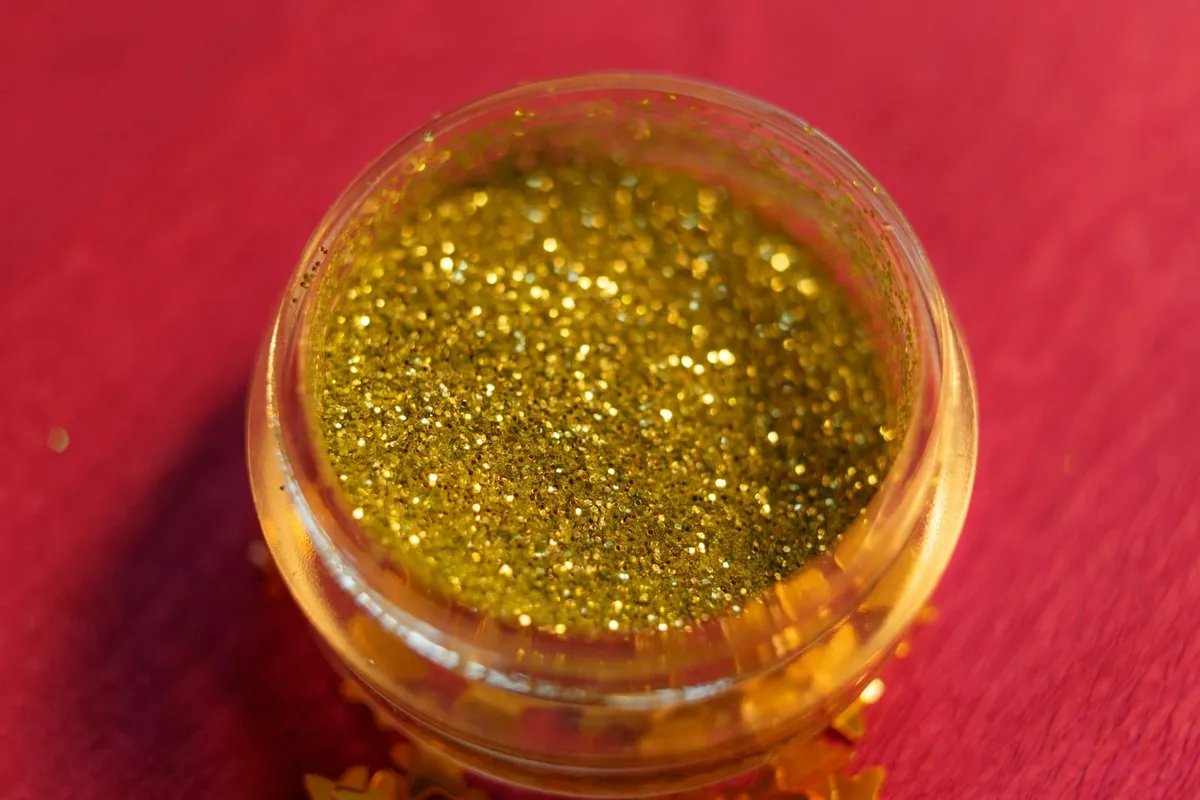
A calm down jar is a sealed container, usually a small clear jar or plastic bottle, filled with water, a little clear glue and glitter. When the child shakes it, the glitter swirls around. When they put it down, the glitter drifts slowly to the bottom.
Many adults use the jar as a way of showing a child what a busy mind can feel like: swirling, noisy and hard to see through. As the glitter settles, the water clears. We cannot promise that any one tool will work for every child, and there is no research here we want to overstate. What parents and teachers often report is that having something calm and slow to watch gives a child a place to focus their eyes while the adult helps them breathe. That is the realistic goal.
What you need
- A clean, clear plastic bottle or small plastic jar with a screw lid (plastic is a safer choice than glass for young children)
- Warm water
- Clear school glue or glitter glue (a few spoonfuls)
- Fine and chunky glitter in one or two colors
- A few drops of food coloring, optional
- Strong glue, such as a waterproof craft glue, to seal the lid
- A funnel or a paper cone, and a spoon
How to make a calm down jar, step by step
- Fill and mix. Pour warm water into the jar until it is about three-quarters full. Add two or three spoonfuls of clear glue and stir until it dissolves. The glue makes the glitter fall more slowly.
- Add the glitter. Use a funnel and add a spoonful or two. Start with less than you think you need. A jar crowded with glitter looks busy and settles slowly.
- Add color, if you like. A drop or two of food coloring turns the water into the child’s favorite color.
- Top up and test. Fill the jar nearly to the brim, leaving a small air gap so it can be shaken. Close the lid and shake. If the glitter drops too fast, add a little more glue. If it hangs forever, add a little more water.
- Seal the lid. Run strong glue around the thread of the lid, screw it on tightly and let it dry fully, following the glue’s instructions. Check that nothing leaks before you give it to your child.
Let your child help with the pouring and choosing colors if they are old enough. Making the jar together can be calming in itself, and it helps your child see it as theirs.
Glitter-free calming jar ideas
If you would prefer not to use glitter, or you are working with younger children, there are plenty of alternatives. All of them should be sealed with the same care.
- Beads and sequins. Large beads or sequins sink slowly through water mixed with a little glue or clear baby oil. Choose pieces too big to be a choking risk and seal the lid very firmly.
- Oil and water. Fill a bottle halfway with water tinted with food coloring, top it up with clear oil and tip it slowly from side to side to see the waves. This is a movement bottle rather than a swirling jar.
- Dried items. Rice, lentils or small pasta in a sealed bottle make a gentle shaking sound. It is a different sensation, and some children prefer it.
- A “pretend” jar. Some children find a real object stressful. A drawing of a jar that they color slowly can serve the same purpose, and an adult can tell them that the glitter is “settling” while they breathe.
How to introduce the jar as a tool, not a punishment
How you present the jar matters more than how it looks. These steps help it become something your child wants to use.
- Introduce it when everyone is calm. Show it during a quiet moment, such as after dinner or during story time. Let your child shake it and watch it settle without any pressure.
- Give it a name and a spot. A shelf, basket or a calm down corner makes it easy to find. Some children enjoy naming the jar.
- Offer, do not order. Say “Would you like to hold the calm down jar?” instead of “Go and sit with the jar.” A child who chooses it is more likely to use it again.
- Breathe together. Hold the jar with them. Ask them to take a slow breath in as the glitter falls and a slow breath out. Our guide to calming strategies and breathing exercises for kids has simple breathing games you can pair with it.
- Talk afterwards, not during. When your child is calm, you can ask what they were feeling. Trying to solve a problem while a child is overwhelmed rarely works.
- Never use it as a punishment. If the jar becomes associated with being in trouble, a child may avoid it when they need it most.
When a calm down jar might not work
A jar is one tool among many. It may not help if a child is too upset to look at anything, if they find the glitter overstimulating, or if they simply want a hug first. In those moments, stay close, keep your voice low and wait until the storm passes. Some children prefer movement, such as pushing against a wall, squeezing a pillow or going for a short walk, and that is perfectly fine.
If big emotions are frequent, intense or affect daily life, it is a good idea to talk to your child’s doctor or teacher. This article is general information and not a substitute for professional advice.
Pair the jar with stories about feelings
Children often understand their feelings better through stories than through explanations. After a calm moment, you can read a short story about anger or waiting and let the jar sit beside you while you talk. When I Feel Angry: A Story About Big Emotions is a printable illustrated storybook for ages 4 to 8, with conversation starters for parents and teachers, and it costs $1.99. For a gentler theme about waiting and patience, The Patience Garden is a 12-page illustrated story about Milly, a young gardener who learns that good things take time, with a pay-what-you-want price starting at $2.99.
Troubleshooting
- The glitter sinks too fast. Add another spoonful of clear glue and shake well.
- The water looks cloudy. Use warm water and stir the glue thoroughly before adding glitter. Cheap glitter sometimes sheds color, so choose a different brand if needed.
- The jar leaks. Stop using it. Make a new one and seal the lid with fresh glue.
- Your child shakes it hard or throws it. Remind them gently that it is for slow shaking and watching, and put it away for now if needed. A softer option, such as a drawn jar, can be a good backup.
A last thought
A calm down jar will not make big feelings disappear, and it should not be asked to. What it can do is give a child a small, safe thing to hold and watch while an adult stays close. Make it together, keep it sealed, offer it kindly and pair it with breathing and stories, and it can become one of several tools your child learns to reach for when feelings get big.