Every parent of a preschooler eventually asks: should I be using worksheets? The honest answer is that, used lightly, they can be a helpful and enjoyable part of learning, but they’re never the whole picture. Here’s a practical guide to preschool worksheets for 3 and 4 year olds: what they’re good for, what to expect, and how to keep them fun.
What worksheets can (and can’t) do
They can:
- Give focused practice with fine motor skills such as tracing and coloring.
- Introduce letters, numbers, shapes and colors in a structured way.
- Build the habit of sitting and finishing a short task.
- Give you a quick way to see what your child knows.
They can’t:
- Replace hands-on play, which builds language, movement and social skills.
- Teach concepts without conversation and real-world experience. Counting real crackers teaches more than circling pictures.
A helpful balance: a worksheet or two a few times a week, alongside plenty of play, stories and outdoor time.
What to expect at age 3
Three-year-olds are still building basic hand control. Great worksheet types include:
- Matching: connect same objects or colors.
- Coloring large images with crayons.
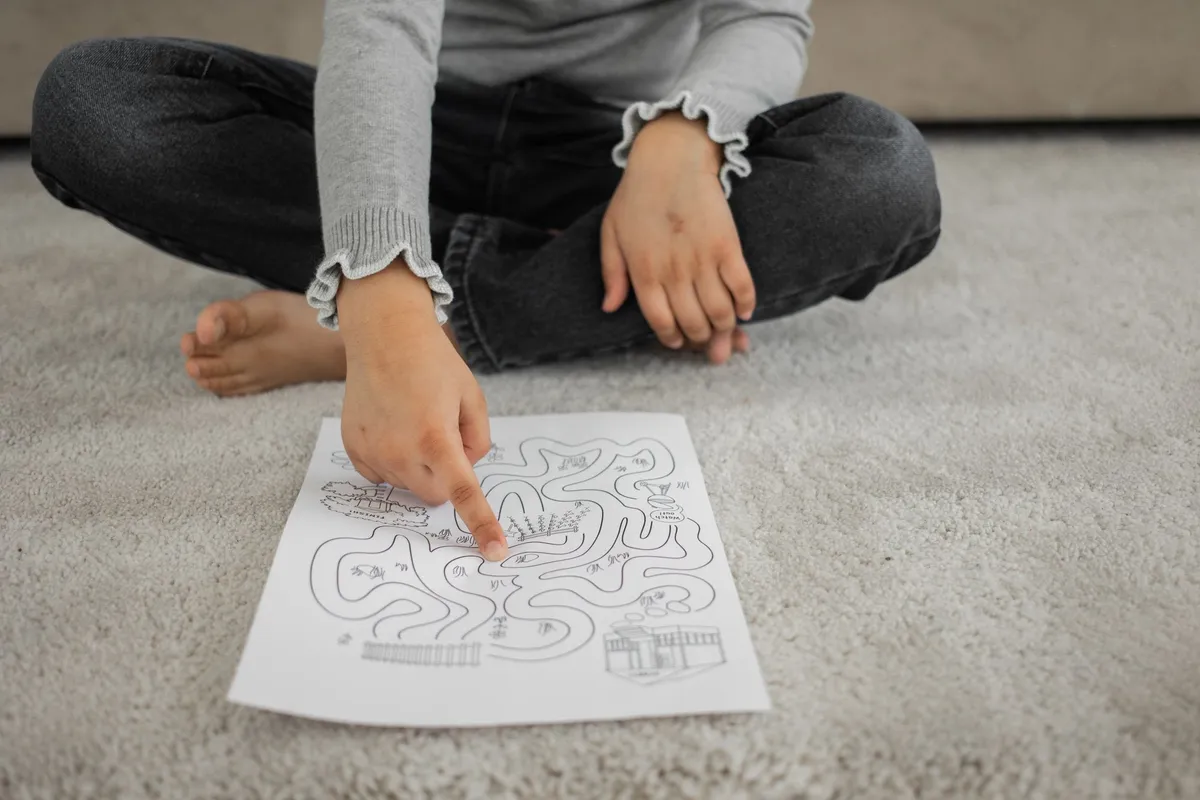
- Tracing simple lines, such as straight and curvy lines (see pre-writing tracing lines worksheets).
- Sticker and dot-marker pages, which need less pencil control.
- Simple counting of one to three objects.
- Circling the picture that’s different.
Expect wobbly lines and short attention. Praise the effort.
What to expect at age 4
Four-year-olds can usually handle more:
- Tracing shapes and some letters.
- Recognizing and tracing some of the letters, especially in their name.
- Counting objects up to 10 and matching numbers.
- Simple patterns such as red-blue-red-blue.
- Sorting by color, size or type.
- Beginning cutting and pasting (with supervision).
Some children will be more advanced; others will just be starting. That’s normal.
How to choose a good worksheet
- One task per page. A cluttered page overwhelms young children.
- Large, clear images.
- Simple instructions you can explain in a sentence.
- Room to succeed: tasks children can mostly do with a little help.
- Fun themes such as animals, vehicles or seasons.
How to make worksheets playful
Start with the child’s choice. “Do you want to do the animals or the shapes?”
Add movement first. Jump five times, then sit down for a page.
Use fun tools. Dot markers, stickers, colored pencils or a small stamp can make a page feel special.
Turn it into a story. “Help the bee get home.”
Sit together. A parent working on their own paper beside a child builds motivation.
Keep it short. Stop after one or two pages, even if there’s more.
Balance with hands-on learning
Pair each worksheet skill with a real-world version:
| Worksheet skill | Hands-on version |
|---|---|
| Counting | Count steps, blocks or snacks |
| Matching | Match socks or spoons |
| Tracing lines | Draw in sand, paint with water |
| Shapes | Shape hunt around the house |
| Colors | Sort toys by color |
Our guide to early learning activities for preschoolers has plenty of hands-on ideas.
A gentle daily routine
A simple routine can hold it all together:
- Morning play and outdoor time.
- A story.
- A short worksheet or activity page (5–10 minutes).
- Free play and snack.
- Quiet time.
Our preschool learning routine at home guide expands on this.
When to slow down
If your child resists worksheets repeatedly, seems tearful or shows frustration, take a break for a few weeks and return to hands-on play. Interest often returns. If you’re worried about your child’s development, talk with your pediatrician or preschool teacher.
Ready-made preschool pages
If you’d like organized printables so you don’t have to hunt for pages, My First Learning Busy Book: Letters, Numbers, Colors & Shapes is a 20-page printable for ages 2 to 4, with tracing, coloring, counting and matching activities. For preschoolers heading toward kindergarten, Preschool Skills Busy Book: 100 Printable Activities for School Readiness covers school-readiness activities for letters, numbers, colors, shapes, counting, tracing, matching and patterns.