Some children walk into preschool without a backward glance. Many others cry, cling or beg a parent to stay, sometimes for the first week, sometimes on and off all year. Separation anxiety in preschool is common, and for most children it eases with a predictable routine rather than any single trick.
This guide covers why separation anxiety happens at this age, a simple goodbye routine, what to say (and what tends to make drop-off harder), and when it is worth talking with the teacher or a doctor.
Why separation anxiety happens at this age
Preschool-age children are still developing a secure sense that a parent who has left will come back. Add a new room, new adults and a full morning without a familiar face, and even a generally confident child can find drop-off hard. It is also common for separation anxiety to come and go rather than disappear once and for all: a hard stretch can follow a school break, an illness, a house move, a new sibling, or no obvious reason at all. None of this means something is wrong with your child or your approach.
A simple goodbye routine that helps most children
Children tend to do better with a goodbye that is short and exactly the same each day, rather than one that changes or drags out.
- Arrive with enough time to avoid rushing, but not so much time that you are standing around together for long.
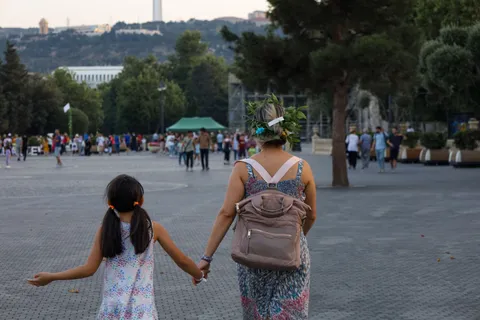
- Use the same few words every day, such as “I love you, I’ll see you after lunch, have a good day.” A short, memorized phrase can become comforting through repetition alone.
- Add one small ritual, a special handshake, a kiss on the hand your child can “keep,” or a wave through the window, so goodbye has a clear, familiar shape.
- Hand off to a teacher or aide rather than leaving your child to wander off alone; a familiar adult stepping in right as you leave shortens the gap.
- Leave promptly once the routine is done. Lingering, or leaving and coming back, usually makes the moment last longer and harder for everyone.
What to say (and what to avoid) at drop-off
Helpful:
- “I love you. I’ll be back after snack time.”
- “It’s okay to feel sad. I know you can do this, and your teacher is right here.”
- “I always come back, even on the hard mornings.”
Tends to make it harder:
- Long explanations or negotiating right at the door, which can extend the goodbye and the distress.
- Promises you are not sure you can keep, such as an exact pickup time you might miss.
- Showing your own worry through your face or voice; children pick up on a parent’s uncertainty easily, even when nothing is said directly.
What actually happens after you leave
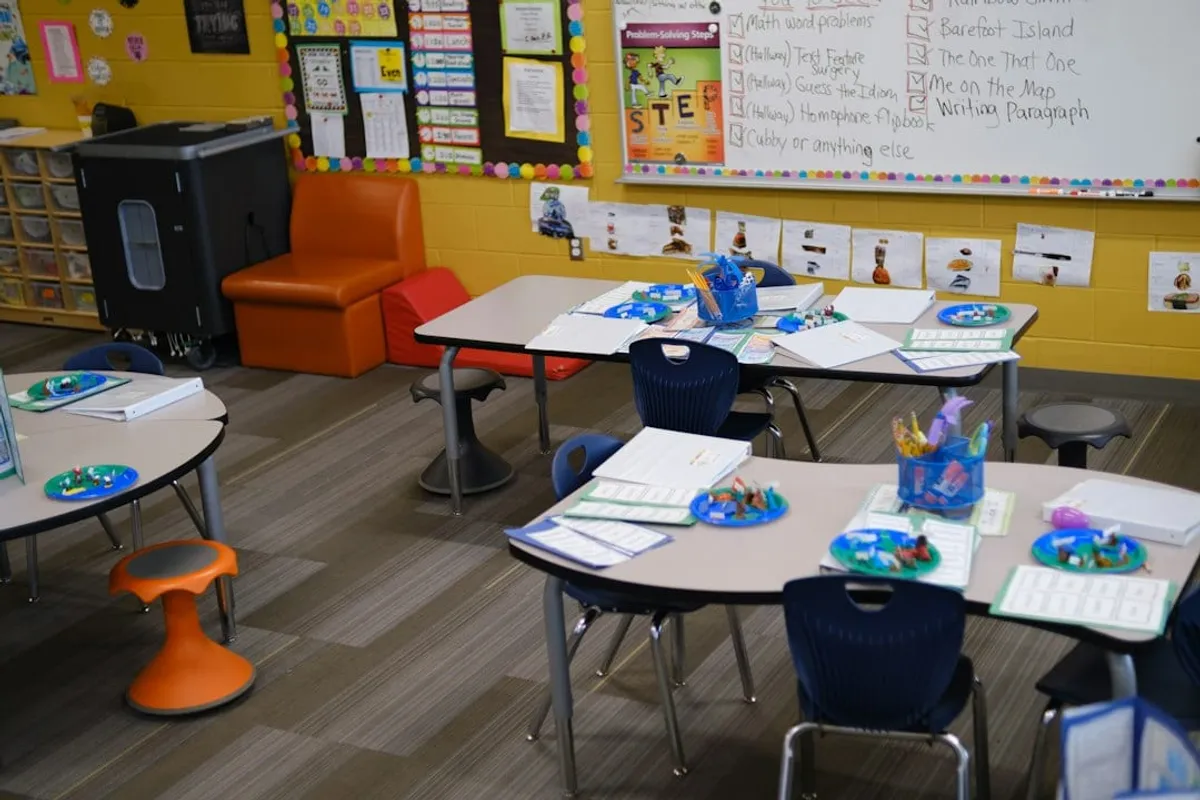
Many parents assume the crying continues for the whole morning, but in most preschool classrooms, a child settles within a few minutes of the parent being out of sight, often once a favorite activity or a friend pulls their attention elsewhere. If you can, ask the teacher how long distress typically lasts after drop-off rather than guessing; a specific answer (“about five minutes, and then he’s fine”) is often more reassuring than “don’t worry.”
Building comfort with separation before school
A few small practices in daily life can build the same skill drop-off asks for: being okay while a trusted adult is out of sight.
- Short practice separations, like a grandparent watching your child for an hour, help build the same trust that “I always come back” describes.
- A goodbye story can make the idea familiar and less scary before it happens for real. My First Day of School is an illustrated storybook that follows a child through her own first day, from morning preparation through meeting her teacher and new friends, which some families read together in the weeks before or during a hard stretch.
- Talking about quiet or shy feelings can also help if your child’s hesitation is more about a new group of people than the goodbye itself; It’s Okay to Be Shy is a storybook for ages 4 to 8 that validates a child’s quieter, more cautious reactions rather than treating them as a problem to fix.
For a broader look at preparing for the first day itself, our guide to helping your child adjust to the first day of preschool covers what to do in the weeks before, and back to school anxiety in kids looks at school worry more generally, including for slightly older children.
When separation anxiety in preschool is more than a hard morning
Most drop-off distress eases with time and a steady routine, but a few signs suggest it is worth a conversation with someone outside the family:
- The anxiety is intense and shows no improvement over many weeks of a consistent routine.
- Your child has frequent stomachaches, headaches or sleep trouble tied to school days.
- Your child cannot settle or engage in the classroom even well after drop-off, according to the teacher.
- The anxiety appears alongside other new or worsening changes in mood or behavior.
Start with the teacher, who sees your child in a context you do not and can offer specifics about how the day actually goes. From there, your child’s pediatrician is a reasonable next step, and a child mental health professional can help further if concerns continue. None of this is a sign of failure on your part; it simply means your child could use extra support finding their footing.
A note on readiness
Some separation anxiety at preschool age is normal and does not necessarily mean a child is unready for the classroom itself. Our preschool and kindergarten readiness checklist looks at readiness more broadly, including skills unrelated to how drop-off feels, which can be a useful way to separate “this is hard right now” from “this isn’t the right time.”
Bringing it together
A short, predictable goodbye, honest words, and a prompt exit help most preschoolers settle faster than a long or hesitant one, even though it feels counterintuitive in the moment. Expect ups and downs rather than a straight line of progress, and lean on the teacher for what actually happens once you are out the door. If distress stays intense for weeks despite a steady routine, bringing in outside support is a reasonable and caring next step, not a last resort.