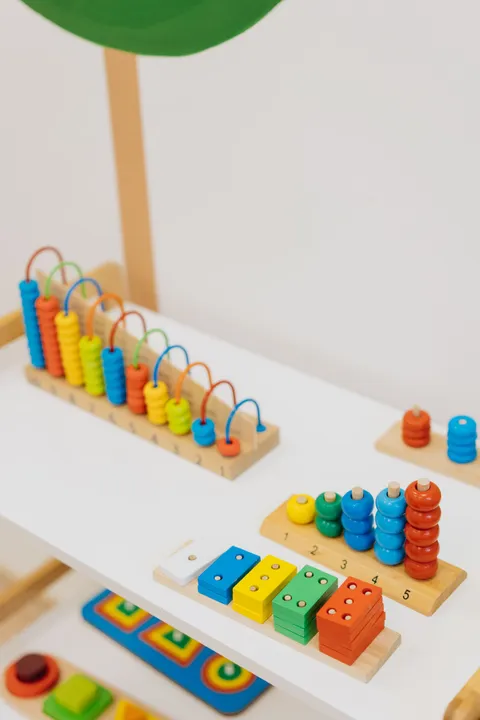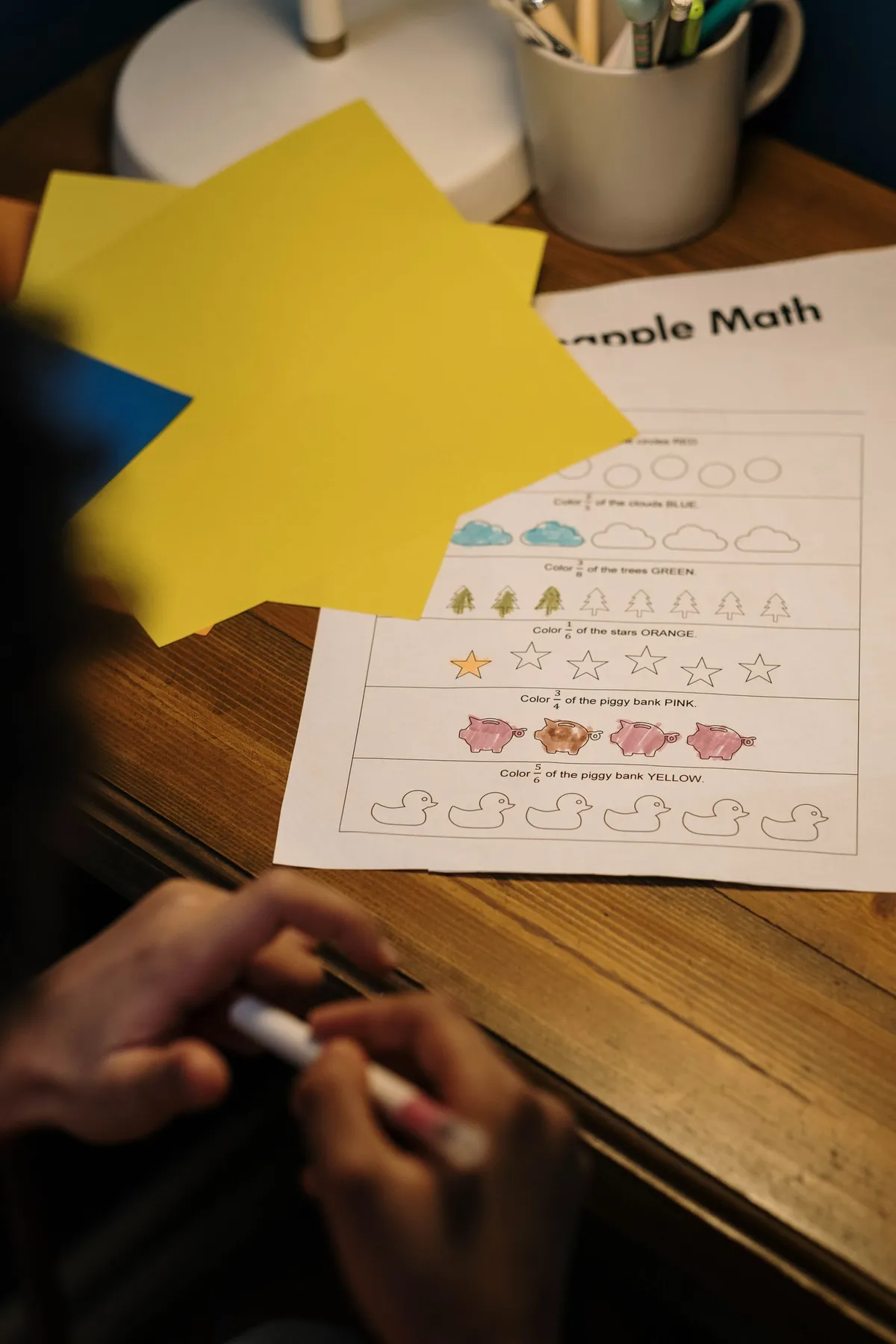
“Is my child ready?” is one of the most common questions parents ask before preschool or kindergarten, and it rarely has a simple yes-or-no answer. Readiness isn’t a single skill or a fixed age — it’s a mix of developmental, social, and everyday abilities that each child builds on their own timeline. This checklist is meant as a practical starting point for noticing where your child currently stands, not a test to pass before the first day.
What “readiness” actually means
Readiness is often talked about as if it’s one thing, but it’s really several different areas developing somewhat independently: physical and motor skills, language and communication, social and emotional skills, and a handful of everyday practical skills. A child can be strong in one area and still developing in another — a child who’s an early reader may still need help with separation anxiety, and a child who separates easily may not yet recognize many letters. None of that is unusual, and a checklist is far more useful as a way to notice where to focus support than as a verdict on whether a child should start.
Developmental and academic skills to look for
These skills tend to build up gradually and unevenly through everyday play and exposure:
- Fine motor control, such as holding a crayon or utensil, using scissors with some success, and manipulating small objects like puzzle pieces or buttons.
- Letter and number recognition, such as recognizing some letters (especially those in their own name) and counting a small set of objects, even if not yet writing them.
- Language and communication, including speaking in short sentences, being understood by unfamiliar adults most of the time, and asking simple questions.
- Attention and task persistence, such as sitting through a short story or activity and returning to an interrupted task without significant frustration.
- Basic color and shape recognition, useful for following simple classroom instructions and activities.
Social, emotional, and everyday skills to look for
These skills matter just as much as academic ones, and often more in the first weeks:
- Separating from a caregiver, at least for a short period, even if it takes a few minutes of adjustment or an occasional wobble.
- Following simple, two-step directions, such as “put your bag away, then come sit down.”
- Basic self-care, including using the bathroom independently (or close to it), washing hands, and managing a coat or shoes with some help.
- Sharing and taking turns, at least in a basic, developing way — full mastery of this isn’t expected at this age.
- Managing everyday frustration, such as recovering from a small disappointment without an extended meltdown most of the time.
- Communicating a basic need, such as being hungry, needing the bathroom, or feeling unwell, to an unfamiliar adult.
Using this checklist without turning it into a test
A checklist like this is genuinely useful for noticing patterns and deciding where to focus a bit of extra practice in the weeks before starting. It’s considerably less useful, and can even be counterproductive, if it turns into a running tally of “passed” and “failed” skills. A few things help keep it in perspective:
- Look at trends, not a single moment. A skill your child struggled with a month ago may be solid now — readiness is a moving target, not a snapshot.
- Weigh everyday skills alongside academic ones. A child who can separate calmly and follow simple directions but doesn’t yet recognize many letters is often better positioned for a smooth start than the reverse.
- Remember that classrooms are built for a range. Teachers expect, and plan for, a wide spread of skill levels on the first day — that’s not a special accommodation, it’s the normal starting point.
- Talk to the actual school or teacher if you’re unsure. They can usually tell you, from direct experience, which of these areas matter most in their specific classroom.
A practical way to build these skills before starting
Most of the skills above build through ordinary play and daily routines rather than formal lessons — Preschool Activities at Home: A Complete Guide by Age and Skill is a good place to start if you’d like a fuller, organized look at what to focus on and when. Weekly themes are another light way to work several of these skills into a normal week without extra planning — see Preschool Weekly Themes: A Simple Way to Plan Learning at Home. For a family who wants a single, ready-made set of readiness-focused practice, the Preschool Skills Busy Book: 100 Printable Activities for School Readiness is a printable activity book covering letters and writing, numbers and counting, colors and shapes, matching and identification, and pattern and word activities — a broad mix that touches on several of the academic-readiness areas described above. As with any printable, it’s a useful supplement to everyday practice and play, not a substitute for the social and self-care skills that tend to matter most in the first weeks.
The bottom line
Readiness isn’t a single hurdle to clear — it’s a broad, uneven mix of skills that mostly keep developing well after the first day of school, whenever that day happens to fall. A checklist like this one is most useful as a gentle guide to where a bit of extra practice might help, not as a gate a child needs to pass through. Most children who aren’t fully “ready” by every measure on this list still adjust well, because classrooms, teachers, and the first few weeks themselves are built to help fill in exactly those gaps.
Frequently asked questions
Does my child need to check every box on a readiness checklist before starting?
No. A readiness checklist is a general guide, not a pass/fail test, and it’s normal for a child to be strong in some areas and still developing in others. Teachers work with a wide range of skill levels on the first day, and most gaps close naturally within the first weeks or months.
What if my child is behind on several of these skills?
Being behind on a few items is common and usually not a sign of a serious issue. If you’re genuinely concerned about several areas at once, a conversation with your pediatrician or your child’s prospective teacher is a reasonable next step, rather than trying to diagnose the situation yourself from a checklist.
Is readiness mostly about academic skills like letters and numbers?
No. Everyday skills — following simple directions, separating from a caregiver, using the bathroom independently, managing basic self-care — tend to matter at least as much as academic skills in the first weeks of preschool or kindergarten, and often more.