Planning preschool learning at home can feel overwhelming if you picture it as building a full curriculum from scratch. A weekly theme is a much lighter approach: pick one simple topic, and let it loosely organize the books you read, the activities you do, and the things you talk about that week. It’s a planning tool, not a classroom to recreate, and it works just as well with fifteen minutes a day as it does with a longer block of time.
What a weekly theme actually is
A weekly theme is simply a topic — animals, colors, the ocean, community helpers, weather, a season — that you keep coming back to for a week, in small and varied ways. It’s not a lesson plan with objectives to hit, and it doesn’t require every activity to explicitly connect to it. The real value is that a theme gives you an easy source of ideas (“what should we do today?”) and gives your child something familiar to build on across several days, rather than starting from zero each morning.
Why themes help, even informally
A theme does a few useful things without much effort on your part. It makes planning faster, since you’re choosing from ideas connected to one topic rather than starting a fresh search every day. It builds a bit of depth, since revisiting a topic across several days and activities tends to stick better than a single, disconnected experience. And it gives a natural, low-pressure way to combine different kinds of learning — some early academic skills, some fine motor play, some open-ended imagination — under one loose umbrella, rather than treating each as a separate task to schedule.
How to pick a theme
The easiest themes come from what your child is already curious about — a bug they noticed outside, a book they keep asking for, an animal from a recent trip to the zoo. Following genuine interest almost always produces more engagement than picking a theme in advance based on what seems educational. Seasonal and everyday themes work well too: the current season, an upcoming holiday, a family event, or something as ordinary as “things that are round” or “our neighborhood.” There’s no need to plan themes far in advance — picking one a few days ahead, or even the same week, works just as well.
A simple structure for the week
A theme doesn’t need a rigid schedule, but a loose structure can make it easier to come up with ideas day to day:
- Books. Find one or two books connected to the theme from the library or already at home, and read them more than once during the week.
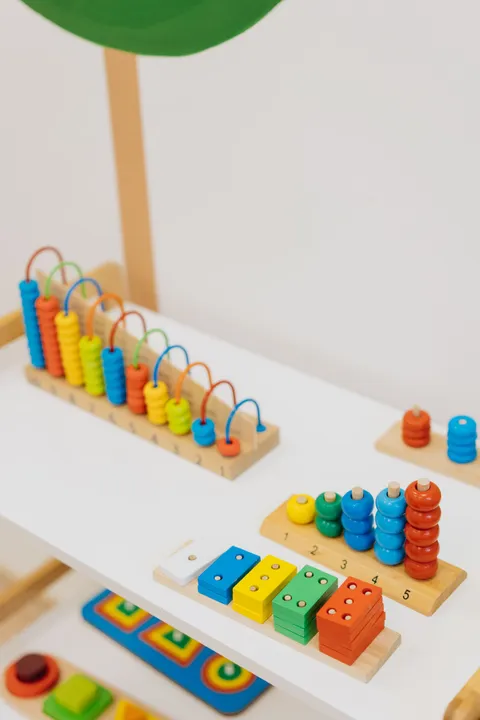
- A hands-on activity. Choose one activity that lets your child touch, build, or explore something related to the theme — sorting, matching, or a simple craft.
- A pretend-play angle. Many themes lend themselves to pretend play — pretending to be an animal, running a pretend shop, acting out a season-appropriate scene — which builds language and imagination without feeling like “work.”
- An everyday connection. Point out the theme when it shows up naturally during the week — a related item at the grocery store, something outside on a walk, a mention in a show or song.
- One flexible catch-all day. Leaving a day open for whatever your child is drawn to that week, related to the theme or not, keeps the whole approach from feeling rigid.
Folding in other kinds of learning naturally
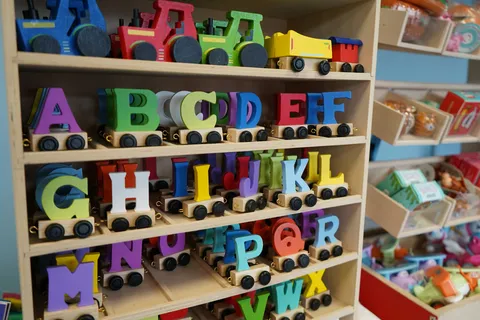
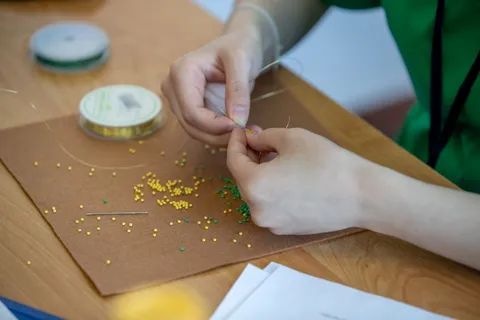
A weekly theme is also a convenient way to rotate in the kinds of practice covered elsewhere on this site, without treating them as separate obligations. Early letter, number, color, and shape recognition — the play-based activities covered in Letters, Numbers, Colors, and Shapes: Early Learning Activities for Preschoolers — can often be adapted to fit almost any theme, since most themes have their own related letters, colors, or shapes to notice. Fine motor practice fits just as naturally: many of the low-prep ideas in Fine Motor Activities for Preschoolers: Simple Ideas Using Things You Already Have, like sorting, pinching, or pouring, can be adapted to almost any theme’s materials without much extra planning.
If your family is also navigating a transition, like the start of preschool itself, a theme built around school, friends, or feelings can double as gentle preparation — see Helping Your Child Adjust to the First Day of Preschool for more on that specific transition. And if you’re using themed weeks partly to build toward broader school-readiness skills, Is My Child Ready for Preschool or Kindergarten? A Practical Readiness Checklist is a useful reference for which everyday and developmental skills tend to matter most.
Keeping it sustainable
The biggest risk with weekly themes isn’t picking the wrong topic — it’s over-planning to the point that it becomes one more source of pressure. A theme works best as a background idea you can lean on for inspiration, not a project with a fixed set of deliverables. Skipping a week, repeating a favorite theme, or abandoning a theme partway through because something more interesting came up are all normal, and none of it undoes the value of the weeks that did work. The goal is a loose rhythm that makes planning easier over time, not a perfectly executed schedule.
For a fuller look at how weekly themes fit alongside everything else worth focusing on at this age, see Preschool Activities at Home: A Complete Guide by Age and Skill.
Frequently asked questions
Do I need a formal curriculum to use weekly themes at home?
No. A weekly theme at home can be as simple as picking a topic your child is curious about and folding it into activities you’d already be doing — reading, playing, cooking, or talking. A formal curriculum is one option, not a requirement.
How long should a weekly theme last?
A week is a reasonable default, but there’s no fixed rule. If your child is still deeply interested after a week, stretching a theme to two weeks is fine. If interest fades after a couple of days, it’s equally fine to switch early.
What if my child isn’t interested in the theme I picked?
Follow their lead. A theme is meant to be a loose organizing idea, not a requirement your child has to engage with. Switching to something they’re currently curious about will almost always produce more genuine learning than sticking with a theme that isn’t landing.