The first day of preschool is a genuinely big moment for a young child — a new room, a new adult in charge, and, often, the first real stretch of time spent away from a parent. Some children walk in and barely look back. Others need a lot more support to feel steady about the whole idea. Both are completely normal, and a little preparation in the days and weeks before can make the transition noticeably smoother either way.
Why the first day can feel so big to a young child
Preschool asks a lot of a child all at once: a new physical space, new routines, new adults to trust, and new peers to figure out, often on the same morning a parent walks out the door. For a child who hasn’t spent much time away from a primary caregiver, that combination can bring up real separation anxiety — not because anything is wrong, but because the moment is unfamiliar on several levels at the same time. Understanding this helps reframe a tearful drop-off: it’s a response to newness, not a sign that preschool is the wrong choice or that something has gone badly.
Preparing in the weeks before
A little advance preparation goes a long way toward making the first day feel familiar rather than sudden:
- Talk about what will happen, in order. A simple, concrete walkthrough — “you’ll hang up your bag, then there’s circle time, then a snack, then I’ll come pick you up” — gives a child something to hold onto when the day actually arrives.
- Visit the school or classroom if you can. Even a short visit beforehand, meeting a teacher or seeing the room, turns an abstract new place into a real one a child has already stood in.
- Read a story about starting school. A story that mirrors the situation — a character getting ready, feeling nervous, and having a good day anyway — gives a child language and a script for their own experience.
- Practice the morning routine. Running through getting dressed, eating breakfast, and heading out the door a few times before the actual first day removes at least one source of first-morning stress.
- Keep your own nerves in check around your child. Children pick up on a caregiver’s anxiety quickly, so a calm, matter-of-fact tone about the first day — even if you feel nervous yourself — helps more than reassurance layered on reassurance.
What to expect on the actual first day
Even with preparation, the first morning can still bring some resistance or tears, and that’s worth expecting rather than being caught off guard by. A few things tend to help in the moment:
- Keep the goodbye short and warm. A brief, affectionate goodbye, followed by actually leaving, tends to help a child settle faster than a long, drawn-out one.
- Stick to the routine you practiced. Following through on the same order of events you talked about beforehand reinforces that the plan is real and trustworthy.
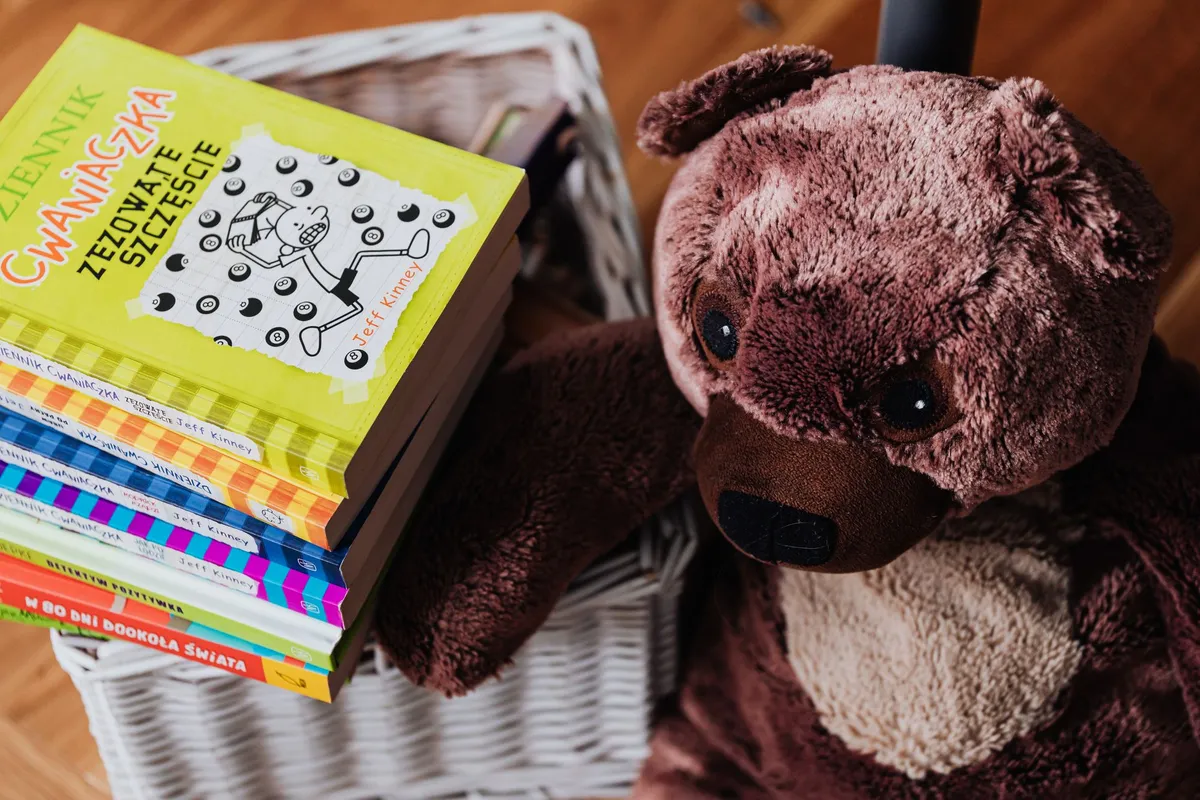
- Bring a small comfort item if the school allows it. A familiar object from home — a small stuffed animal, a family photo tucked in a bag — can offer real reassurance during the first few days.
- Trust the teacher’s process. Most preschool teachers have guided many children through exactly this moment, and a child who’s crying at drop-off often settles within a few minutes once a parent is out of sight.
Easing the transition in the days that follow
The first day is rarely the whole story — for many children, the second, third, or even second week matters more than the first morning itself. Keeping the same routine consistent, morning after morning, gives a child repeated evidence that preschool is safe and predictable rather than a one-time event to get through. Talking briefly about the school day at pickup, and showing genuine interest without over-questioning, helps a child process the day in their own words. Some children take a step backward — more clinginess, a rougher morning — a week or two in, even after a smooth start; that’s a normal part of settling in, not a sign that something is going wrong.
Stories can help here too, well beyond the first morning itself. My First Day of School: A Story About New Beginnings follows a character named Lily through her own first day — getting ready at home, meeting her teacher and new classmates, and taking part in classroom activities — and frames the whole experience as a new beginning worth feeling excited about, not just anxious about. For a family looking for a gentle way to open a conversation about starting school, or to revisit in the days before or after the actual first day, it’s a straightforward, story-based way to reinforce the same ideas covered above.
A gentler way to think about the transition
It’s easy to treat the first day of preschool as a single test to pass or fail, but it’s really the start of an adjustment that unfolds over days and weeks, not hours. A child who cries at drop-off and a child who walks in without a backward glance can both be adjusting well — the visible reaction on day one says less than how the routine settles in over the following weeks. Steady preparation, a short and consistent goodbye, and patience with a bit of backsliding along the way tend to matter far more than getting the first morning itself perfectly smooth.
A consistent daily rhythm in the weeks around the first day helps more than any single tactic on the morning itself — How to Build a Simple Preschool Learning Routine at Home covers how to put one together. And once the first-day adjustment has settled, Preschool Activities at Home: A Complete Guide by Age and Skill rounds up the broader mix of activities and skills worth focusing on next.
Frequently asked questions
Is it normal for a child to cry on the first day of preschool?
Yes. Crying at drop-off is one of the most common first-day reactions, and it usually says more about the newness of the moment than about how the rest of the day will go. Many children settle within a few minutes of a parent leaving, even if the goodbye itself was tearful.
How far in advance should we start preparing for the first day?
A week or two of light preparation is usually enough for a young child — driving past the school, talking about what happens there, reading a story about starting school. Starting too far in advance can make the change feel like a bigger, more distant event than it needs to be.
Should I stay and watch if my child seems upset at drop-off?
Generally, no. A short, warm, and consistent goodbye tends to help a child settle faster than a lingering one, even when it feels harder for the parent in the moment. Teachers are usually well practiced at helping a child transition in the minutes right after a parent leaves.