A “preschool learning routine at home” can sound like it requires a classroom, a schedule, and a stack of curriculum materials. In practice, the most sustainable routines are much smaller than that: a short, predictable rhythm of a few kinds of activity, repeated most days, built around things your family is probably already doing in some form. This guide covers how to put one together without turning your living room into a school.
Why a simple routine helps, even a loose one
Young children generally do better with some predictability than with none, but that doesn’t mean a rigid schedule. A loose routine — knowing roughly what tends to happen and in what order, even without fixed times — gives a preschooler a sense of what’s coming next, which tends to reduce resistance and make transitions between activities easier. It also makes planning easier for the adult running it: instead of deciding from scratch each day, you’re filling in a familiar structure with whatever fits that day’s energy and interest.
The building blocks of a simple routine
A workable preschool routine at home usually pulls from a small handful of activity types, mixed and matched depending on the day:
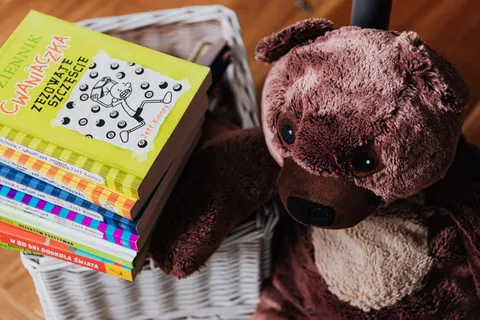
- A bit of reading. A short story or two, ideally at a similar point in the day, builds language skills and gives the routine a reliable anchor.
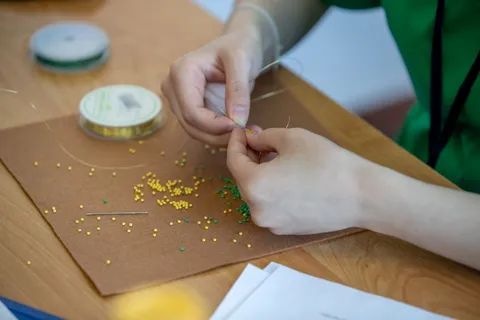
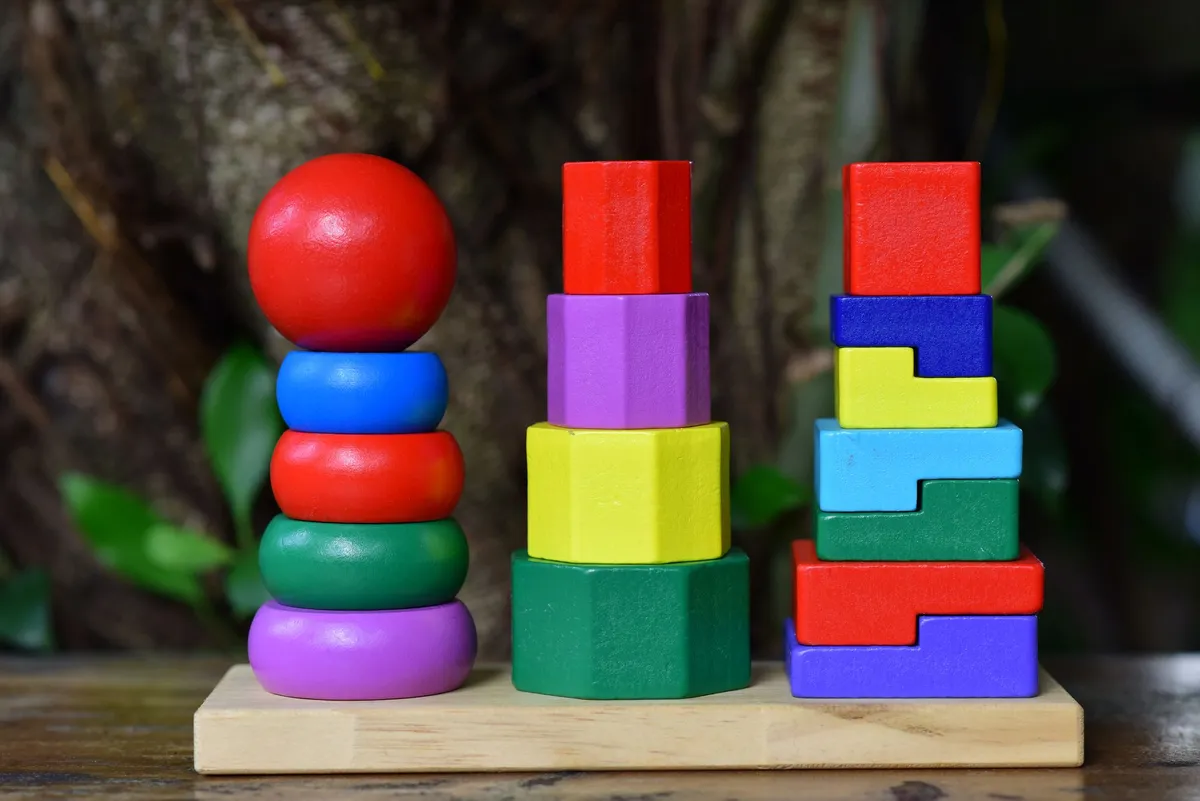
- Hands-on or fine motor play. Rotating in simple, low-prep activities — sorting, pouring, threading, playdough — builds hand strength and control alongside whatever else is happening that day.
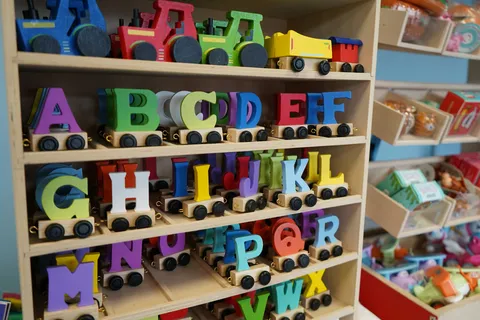
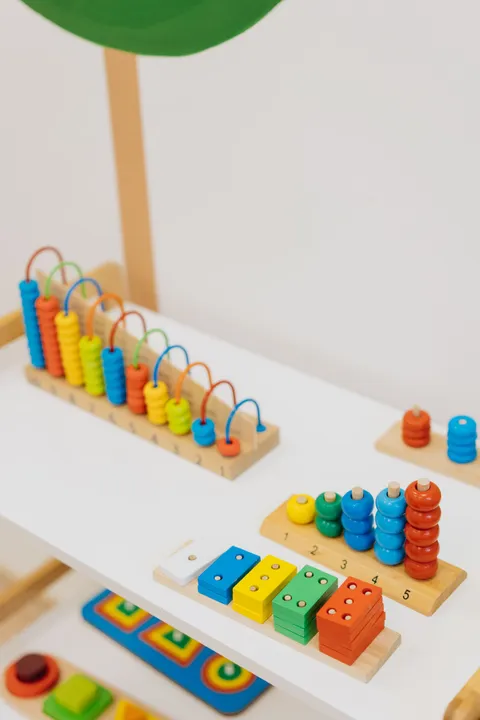
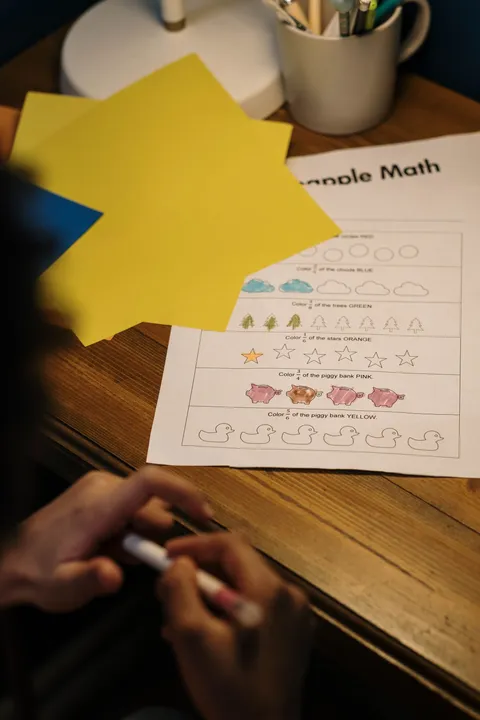
- Play-based recognition practice. A few minutes of letter, number, color, or shape play, kept light and game-like, fits naturally into almost any day without needing a worksheet.
- Outdoor or physical time. Movement and outside time round out a routine that would otherwise be mostly seated, and they matter just as much for a young child’s overall development.
- Free or pretend play. Leaving space for unstructured play, without a specific goal attached, is a legitimate and important part of a learning routine, not time “wasted” between more structured activities.
None of these need to happen every single day, and none need a fixed amount of time — the goal is a familiar rotation, not a checklist to complete in full.
Putting it together into an actual day
A simple version of a daily routine might move through something like: a short reading session in the morning, a hands-on or recognition-based activity mid-morning, outside or physical play after that, and free play whenever there’s a gap. The specific order matters far less than having some order at all, and it’s worth adjusting the sequence to match your family’s actual rhythm — a naturally energetic morning might call for outside time first, while a slower start might call for reading first. There’s no single correct sequence, only one that fits your household.
Adapting the routine to your week
A daily routine doesn’t need to look identical every day to still count as a routine. Weekly themes, covered in Preschool Weekly Themes: A Simple Way to Plan Learning at Home, are one easy way to add variety within the same basic daily structure — the reading, hands-on play, and recognition slots stay the same, but the specific books and activities rotate with the theme. If your family is easing into a bigger transition, like starting preschool for the first time, Helping Your Child Adjust to the First Day of Preschool covers how a simple, consistent routine in the weeks before and after that transition can make it noticeably smoother.
For the recognition and hands-on pieces specifically, Letters, Numbers, Colors, and Shapes: Early Learning Activities for Preschoolers and Fine Motor Activities for Preschoolers: Simple Ideas Using Things You Already Have both offer ready-to-use, low-prep activities that slot directly into the building blocks described above. And if part of your goal in building this kind of routine is preparing for an upcoming school transition, Is My Child Ready for Preschool or Kindergarten? A Practical Readiness Checklist is a useful reference for which skills tend to matter most, so you can weight the routine accordingly without turning it into formal test prep.
Keeping the routine sustainable
The most common way a home routine falls apart isn’t a bad plan — it’s a plan that’s too ambitious to keep up with. A few habits help it last:
- Start smaller than feels necessary. A short routine that actually happens most days beats an ambitious one that gets skipped half the time.
- Let go of “perfect” days. A day that only includes reading and free play is still a day that happened, not a failure to fix tomorrow.
- Revisit the routine every so often. What worked for a three-year-old may need adjusting for the same child at four, and that’s a sign of normal growth, not a flaw in the original plan.
- Watch your child’s cues, not the clock. A routine is a loose guide, not a fixed obligation — following genuine interest or fatigue over the plan, on any given day, is usually the better call.
A gentler way to think about “home preschool”
None of this needs to compete with, or replicate, an actual preschool classroom. A simple, repeated rhythm of reading, hands-on play, recognition practice, movement, and free time — adjusted to fit your family’s actual days — does most of the real work, without requiring lesson plans, assessments, or a dedicated classroom space. The routine that survives contact with an ordinary week is worth far more than the elaborate one that only works on paper.
For the complete picture of how this routine fits alongside the specific skills and activities worth focusing on at each age, see Preschool Activities at Home: A Complete Guide by Age and Skill.
Frequently asked questions
How much time should a daily preschool learning routine take?
Fifteen to thirty minutes of focused activity is plenty for most preschoolers, especially when it’s split across a few short moments rather than one long sitting. A routine that takes over the whole day is harder to sustain and rarely produces better results than a shorter, consistent one.
Do I need a schedule with set times for each activity?
No. A loose order of activities — something like “a bit of reading, then some hands-on play, then outside time” — tends to work better for young children than fixed clock times, which are hard for a preschooler to relate to anyway.
What if we miss a day or fall out of the routine?
That’s normal and not a setback worth worrying about. Simply picking the routine back up the next day, without trying to make up for the missed one, keeps the whole approach sustainable rather than turning it into another source of pressure.