Between ages two and five, children move through an enormous range of development — from early pointing and babbling words to full sentences, from scribbling to recognizing letters, from parallel play to genuine friendships. This guide brings together the main areas worth focusing on during these years, organized by age and by skill, so you can find what’s relevant to where your child is right now rather than working through a rigid program.
How to use this guide
Every child develops at their own pace, and the ages below are general reference points, not deadlines. A three-year-old who isn’t yet interested in letters and a five-year-old still building fine motor strength are both well within the normal range. Use the sections below to find activities that match your child’s current interests and abilities, rather than trying to move through every category at once.
Ages 2–3: exploration and early recognition
At this age, most learning happens through sensory exploration and repetition rather than structured instruction:
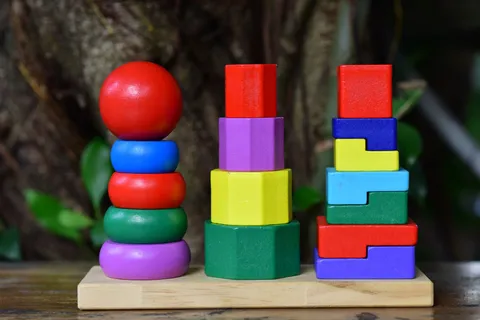
- Simple sorting by color, size, or shape using household objects
- Pointing and naming games with books, toys, or things noticed on a walk
- Basic cause-and-effect play, like stacking and knocking down blocks
- Early color and shape recognition through play, not worksheets
- Simple, repetitive songs and rhymes that build early language patterns
Separation from a caregiver, even briefly, and following one-step directions are also reasonable early goals at this age, well before more complex school-readiness skills come into play.
Ages 3–4: building recognition and independence
This is often when children become genuinely interested in letters, numbers, and more structured play:
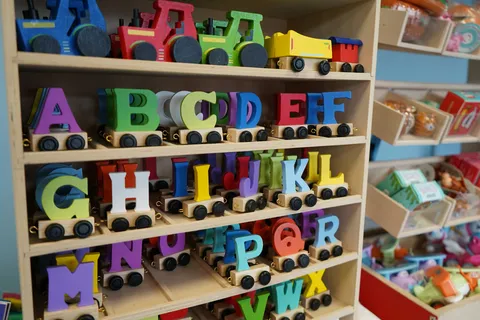
- Letter and number recognition through games, scavenger hunts, and everyday print, covered in depth in Letters, Numbers, Colors, and Shapes: Early Learning Activities for Preschoolers
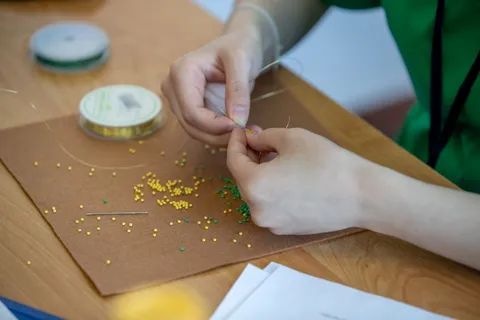
- Fine motor activities that build the hand strength and control needed for later writing, without formal handwriting practice — see Fine Motor Activities for Preschoolers: Simple Ideas Using Things You Already Have
- Growing independence with self-care tasks like dressing, using the bathroom, and simple food prep
- Longer pretend-play sequences and early cooperative play with peers
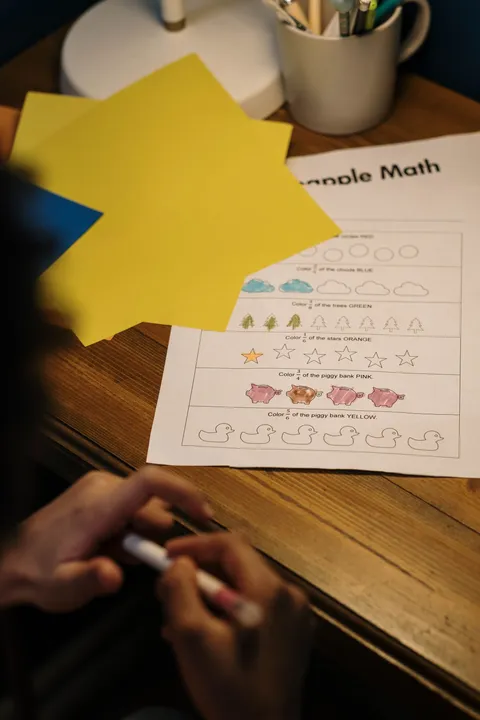
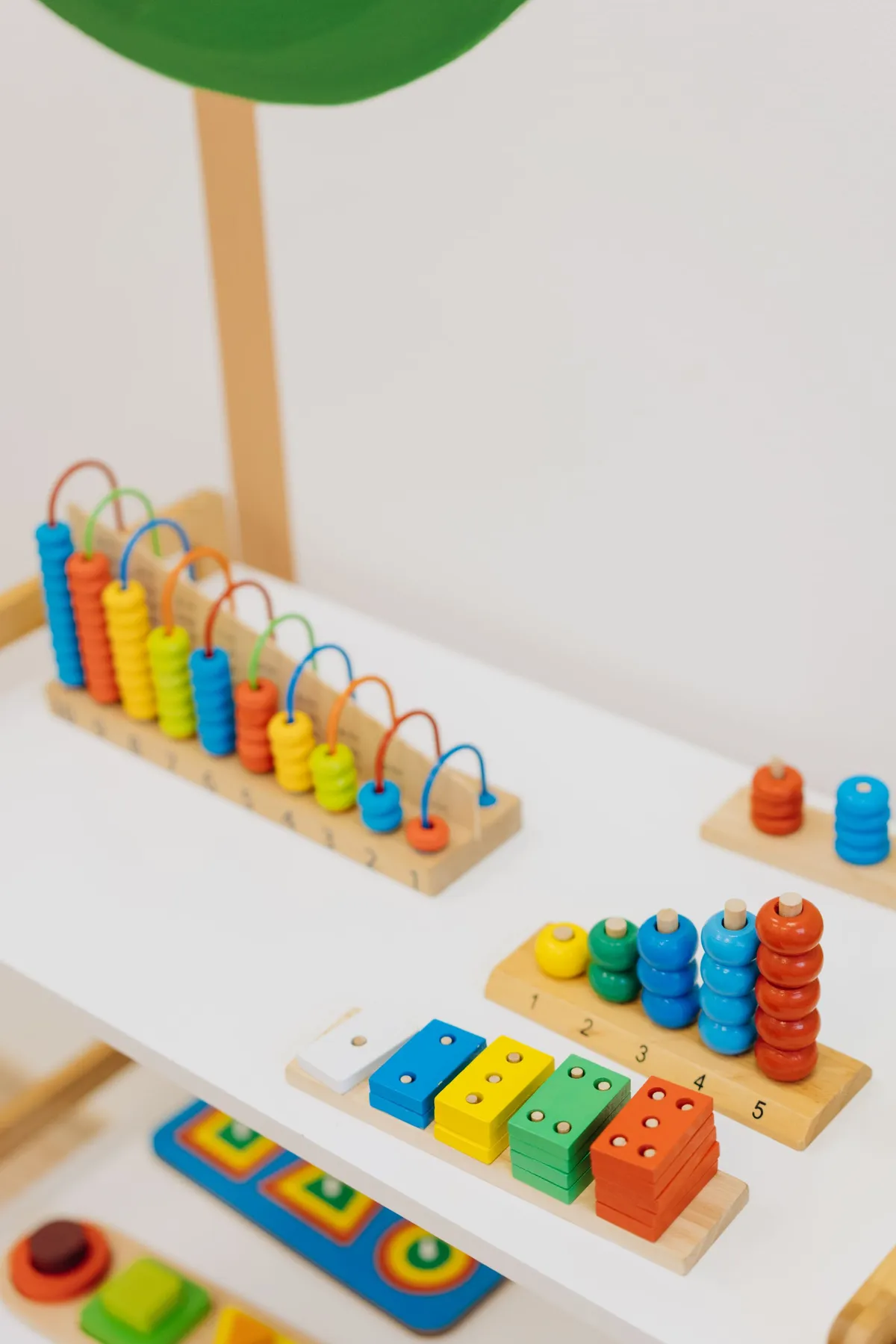
- More complex sorting and pattern activities that build early logical thinking
Ages 4–5: consolidating skills and preparing for what’s next
As many children approach kindergarten, a bit more focus on readiness and consistency tends to help:
- A simple, repeated daily or weekly routine that blends reading, hands-on play, and recognition practice — see How to Build a Simple Preschool Learning Routine at Home for a practical starting structure
- Weekly themes as a light way to organize learning and keep it varied without extra planning effort, covered in Preschool Weekly Themes: A Simple Way to Plan Learning at Home
- A broader look at the developmental and everyday skills that tend to support a smoother start to preschool or kindergarten, without treating it as a pass/fail test, in Is My Child Ready for Preschool or Kindergarten? A Practical Readiness Checklist
- More structured turn-taking and cooperative play, following multi-step directions, and managing everyday frustration
Managing transitions along the way
Ages two through five bring several genuine transitions — starting preschool for the first time, moving to a new classroom or teacher, or eventually heading into kindergarten. Helping Your Child Adjust to the First Day of Preschool covers how to prepare for the first of these transitions specifically, including easing separation anxiety in the weeks before and after the actual first day. Many of the same underlying ideas — advance preparation, a consistent routine, and patience with a bit of backsliding — apply to later transitions as well.
Skill areas at a glance
Pulling the skills above together, a well-rounded preschool routine at home tends to touch on a few recurring areas: early academic recognition (letters, numbers, colors, shapes), fine motor development, language and communication, social and emotional skills, and everyday self-care and independence. None of these need equal daily attention — a loose rotation across a week, adjusted to your child’s current interests, covers far more ground than trying to schedule each area separately every day.
Where printable activity books fit in
Everyday, play-based activities are the foundation of this guide, and they’re enough on their own for many families. For a family who also wants some ready-made, structured practice to round things out, two verified printable options fit different points in this age range. The My First Learning Busy Book: Letters, Numbers, Colors & Shapes is built for the younger end of this range, with letter, number, color, and shape activities suited to ages two to four. The Preschool Skills Busy Book: 100 Printable Activities for School Readiness leans more toward the readiness-focused activities relevant as a child approaches kindergarten, covering letters and writing, numbers and counting, colors and shapes, matching, and patterns. Either can be a light addition to the everyday activities described throughout this guide, rather than a replacement for them.
Bringing it all together
None of the pieces in this guide require a formal classroom, a strict schedule, or specialized materials. What tends to work best is a loose, repeated rhythm — some reading, some hands-on play, some recognition practice, some free time — adjusted for your child’s current age and interests, and revisited every so often as they grow. The six companion guides linked throughout this article go into more depth on each piece: adjusting to the first day of preschool, play-based letter and number recognition, fine motor activities, a practical readiness checklist, weekly themes for variety, and a simple daily routine that ties it all together. Start wherever feels most relevant right now, and let the rest fill in over time.
Frequently asked questions
What preschool skills should I focus on first?
There’s no strict order, but everyday skills like following simple directions, separating from a caregiver, and basic self-care tend to matter as much as academic skills like letters and numbers, especially in the first year or two. Following your child’s current interest is usually a better guide than a fixed sequence.
Do I need a full curriculum to do preschool activities at home?
No. Almost everything in this guide uses ordinary household items and everyday moments rather than a structured curriculum. A loose, repeated routine tends to work better than an elaborate program for most families.
How is this different from formal preschool?
This guide is meant to complement, not replace, formal preschool or kindergarten if your child attends one. It’s built around play-based, low-prep activities that fit into normal family life, rather than replicating a classroom environment at home.