The idea of writing preschool lesson plans can feel like a big commitment. It doesn’t have to be. A preschool plan at home can be a single page you fill out in twenty minutes on a Sunday evening and still leave room for wherever your child’s curiosity takes you.
This guide gives you a simple structure, a sample themed week and tips for keeping it manageable.
The five building blocks of a preschool day
A good preschool plan needs only five kinds of activity:
- Circle time. A short gathering with a song, a story, the calendar or the weather.
- Hands-on learning. A counting, letter or science activity that uses materials.
- Creative play. Art, building, pretend play or music.
- Movement. Dancing, obstacle courses, outdoor play.
- Quiet time and reading. Picture books, puzzles or rest.
You don’t need all five every day, but touching most of them across a week gives a balanced program.
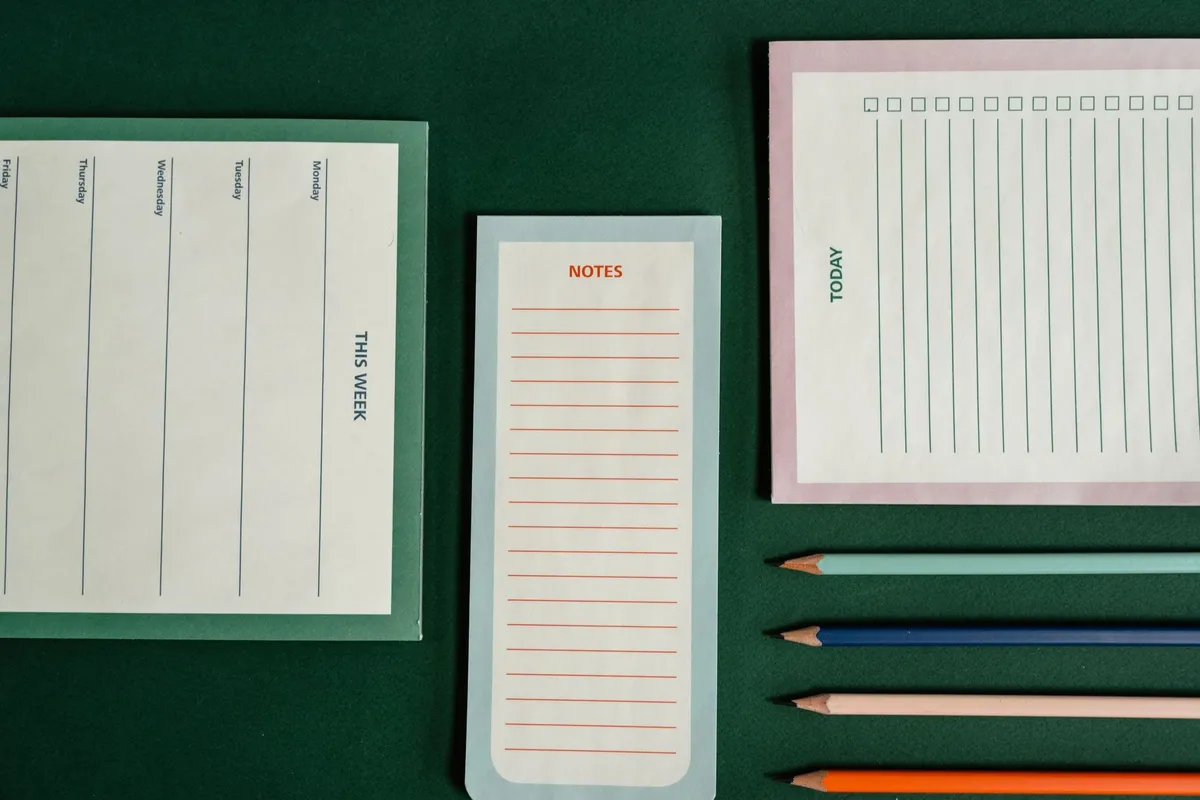
A weekly planning template
Copy this on a sheet of paper or notebook:
Theme: ____________________ Skills this week: (pick one or two: counting to 10, letter A, colors, shapes, fine motor) Books to read: ____________________
| Circle time | Hands-on | Creative | Movement | Quiet | |
|---|---|---|---|---|---|
| Mon | |||||
| Tue | |||||
| Wed | |||||
| Thu | |||||
| Fri |
Fill in one or two boxes per day; not every cell needs an entry.
Sample themed week: “Bugs”
Skills: counting to 5, the letter B, fine motor. Books: any picture books about caterpillars, ladybugs or bees.
| Activity | |
|---|---|
| Mon | Circle: sing a bug song. Hands-on: count paper ladybug spots. Movement: hop like a grasshopper. |
| Tue | Circle: read a caterpillar book. Creative: fingerprint caterpillars with washable paint. Quiet: bug picture-book time. |
| Wed | Hands-on: letter B hunt. Outdoor: look for real bugs with a magnifying glass. Movement: buzz like a bee. |
| Thu | Creative: paper-plate spider. Hands-on: sort plastic bugs by color or size. Quiet: puzzles. |
| Fri | Recap: “What did we learn?” Creative: bug collage. Movement: bug freeze dance. |
Our preschool weekly themes at home guide has more theme ideas.
Choosing skills to focus on
Pick just one or two skills per week so practice can repeat. Common preschool skills include:
- Counting to 10, then 20.
- Recognizing letters, starting with those in your child’s name.
- Colors and shapes.
- Fine motor: tracing, cutting, threading.
- Social skills: sharing, taking turns, using words for feelings.
- Listening and following directions.
A daily rhythm that holds it together
A rough rhythm helps children know what’s next:
- Morning: free play and breakfast.
- Mid-morning: circle time and a short hands-on activity.
- Late morning: outdoor play or movement.
- Lunch.
- Afternoon: quiet time, then a creative activity.
- Evening: stories.
Our preschool learning routine at home explains how to build a rhythm around your family.
Tips for planning without stress
Plan less than you think you need. Two activities a day is plenty.
Repeat favorites. Preschoolers love repetition, and it builds mastery.
Use what you have. Household items work well for most activities.
Follow interest. If your child spends three days on trucks, lean into it.
Keep sessions short. Ten to fifteen minutes of focused learning is plenty.
Record what worked. A note in the plan (“loved the sorting game!”) makes future planning easier.
Using printables in your plan
Printable pages are handy for a quiet, focused activity block. Preschool Skills Busy Book: 100 Printable Activities for School Readiness includes activities for letters, numbers, colors, shapes, counting, tracing, matching and patterns, so you can pick a page that matches the week’s skill. Print just what you need, and pair it with a hands-on activity.
What to do on off days
Some days nothing goes to plan. That’s fine. Read a book, go for a walk, bake something. Learning is happening all the time; a plan is a helpful tool, not a rulebook. If a week is chaotic, simply pick up where you left off.
For a wider look at what to include at each age, see our guide to preschool activities at home by age and skill.