Halloween can be a fun theme for preschoolers without being scary at all. At three, four and five years old, most children are far more interested in counting pumpkins, dressing up and doing something with their hands than in anything genuinely spooky. This guide groups Halloween activities for preschoolers by the skill each one supports, so you can pick a few that fit your week rather than trying to do everything at once.
Keep it playful, not scary
Preschoolers vary a lot in what they find fun versus unsettling, and a costume or picture that delights one four-year-old can unsettle another. A safe starting point is to lean on friendly Halloween images — pumpkins, falling leaves, gentle cats, cartoon ghosts with smiling faces — and skip anything with jump-scares or gore. Watch your child’s reaction and swap out anything that isn’t landing; there’s no rule that Halloween activities have to be frightening to count.
Counting and sorting with pumpkins
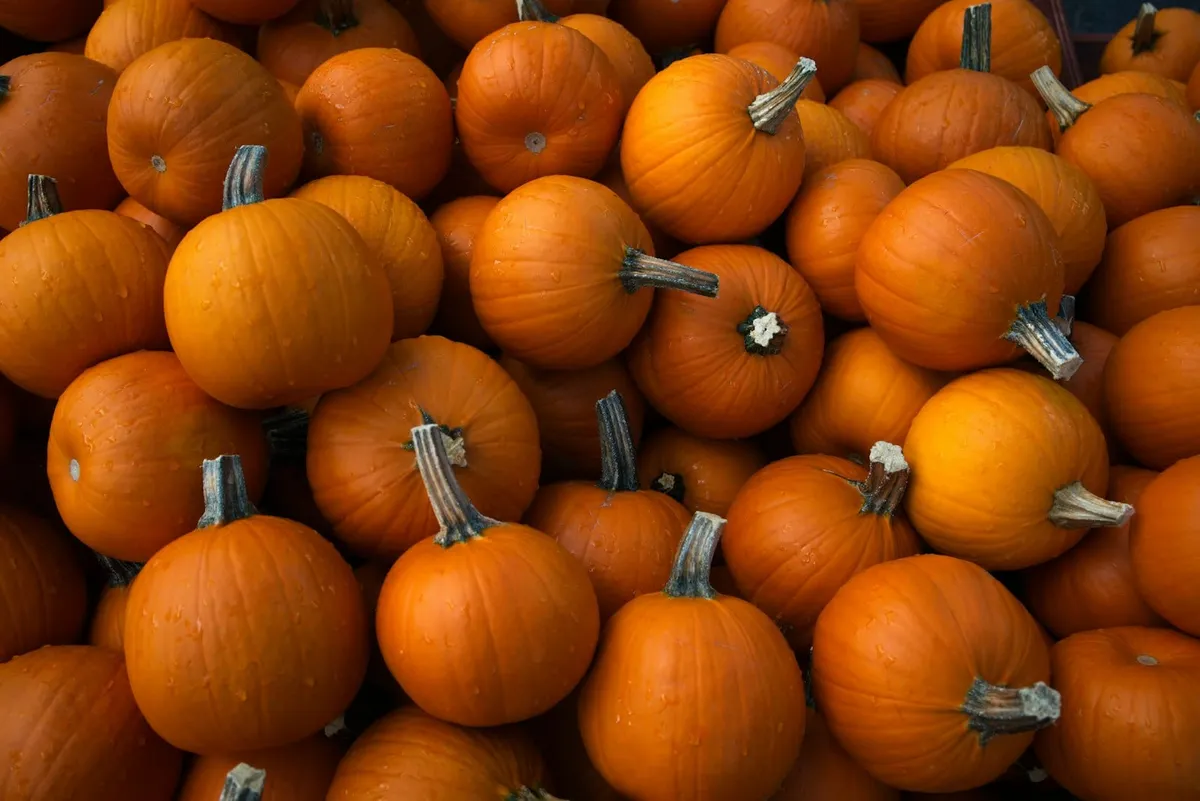
Small pumpkins and gourds are an easy, low-cost material for early math play.
- Count and line up. Gather several mini pumpkins and count them together, then line them up from smallest to largest.
- Sort by color or size. Mix orange pumpkins with a few green or white ones and sort them into groups, or sort any mixed toy pile into “orange” and “not orange.”
- Pumpkin seed count. With an adult doing the cutting, scoop seeds from a real pumpkin into small cups and count a handful at a time — a good excuse to also touch and describe the stringy inside.
- Pumpkin patch hunt. Hide a handful of small pumpkins or pumpkin cutouts around a room and count how many your child finds.
Fine motor pumpkin crafts
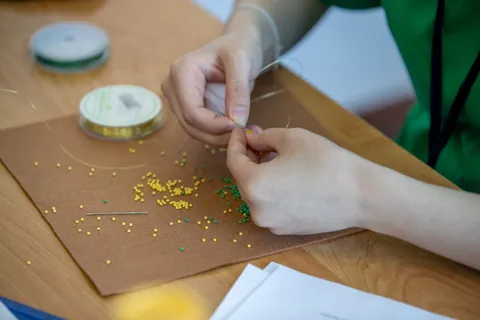
Craft activities build the hand strength and control preschoolers need for later writing, so a pumpkin theme is a good excuse for this kind of practice.
- Yarn lacing. Punch holes around the edge of a paper pumpkin and let your child lace yarn or a shoelace through them.
- Tear-and-glue pumpkin. Tear orange paper into pieces and glue them inside a pumpkin outline — tearing paper is genuinely good fine motor work, not just a filler activity.
- Pom-pom pumpkin. Glue orange pom-poms or scrunched tissue paper onto a pumpkin shape, using tongs or fingers to place each one.
- Pumpkin painting. Paint a small real pumpkin or a paper cutout with a chunky brush or sponge.
For more low-prep ideas in this category, see fine motor activities for preschoolers.
Sensory and hands-on play
Preschoolers often learn best through touch, and a Halloween theme gives a few natural sensory options.
- Pumpkin guts bin. Scoop out real pumpkin seeds and stringy flesh into a bin for supervised hands-on exploration (skip this one if your child is sensitive to messy textures, or offer gloves as an option).
- Leaf and gourd sensory bin. Fill a bin with dried leaves, small gourds and mini pumpkins for scooping and pouring.
- “Mummy” wrap. Wrap a stuffed animal in toilet paper or crepe paper streamers, then unwrap it again — simple, repeatable and good for turn-taking with a sibling.
Pretend play and dress-up
Dress-up and simple pretend scenarios build language and imagination, and Halloween costumes are an easy prompt for both.
- Costume story time. Let your child put on a costume and act out a simple, gentle story — a friendly cat exploring a garden, a scarecrow watching over a field.
- Trick-or-treat practice. Set up a pretend “knock and greet” at a few doors in your home, practicing “trick or treat” and “thank you.”
- Puppet show. Make simple paper-bag puppets (a bat, a cat, a pumpkin) and act out a short scene together.
Movement games
A few minutes of movement between quieter activities helps most preschoolers reset and focus better on what comes next.
- Freeze like a scarecrow. Play music and freeze in a silly pose when it stops.
- Pumpkin roll relay. Roll a small pumpkin or ball across the floor to a target and back.
- Spider crawl. Crawl on hands and feet like a spider across the room — good for younger siblings too.
Putting a simple week together
You don’t need to do all of these ideas — picking one from each category above is already a well-rounded week. A simple structure that works for many families: a counting activity and a craft on different days, one pretend-play session, and a movement game folded in whenever energy needs an outlet. If you like planning around a weekly theme more generally, preschool weekly themes has more on how to structure a loose theme without over-planning it, and activities for 3-year-olds at home has more age-specific ideas if your child is on the younger end of preschool.
If you’d rather have a ready-made set of printable pages to fold into the week instead of planning from scratch, Halloween Activity Book for Kids: Coloring, Mazes, Hidden Pictures & Word Games is a 25-page printable PDF for ages 4 to 8 with counting, tracing, coloring and simple puzzle pages that pair naturally with the hands-on ideas above — a few of its counting and tracing pages work well for the younger end of that range with a little help.
Bringing it together
Halloween activities for preschoolers work best when they stay simple, short and led by what your child enjoys. A pile of mini pumpkins, some paper and glue, a costume and a few minutes of silly movement cover most of what this age group needs from a Halloween theme — no elaborate decorations or spooky effects required.