Homeschooling a preschooler is different from homeschooling an older child, and that’s a relief. At three and four, the “curriculum” is mostly rich play, lots of books and hands-on discovery, with a light sprinkling of early letters and numbers. Here’s a practical homeschool preschool curriculum guide that covers what to teach, how to structure the day and how to choose materials.
What preschool is really for
The goals of preschool are broader than academics:
- Curiosity and a love of learning.
- Language and listening skills.
- Social and emotional skills: sharing, taking turns, handling feelings.
- Independence with dressing, toileting and cleaning up.
- Foundations for reading, writing and math.
Formal academics come later. Rushing them rarely helps and can dampen enthusiasm.
The core areas to cover
1. Language and early literacy
- Read aloud daily and talk about the pictures and story.
- Sing songs and nursery rhymes; rhyme builds sound awareness.
- Learn letter names and sounds gradually, starting with your child’s name.
- Encourage storytelling and retelling.
2. Early math
- Count everyday objects to 10, then beyond.
- Sort, compare and make patterns.
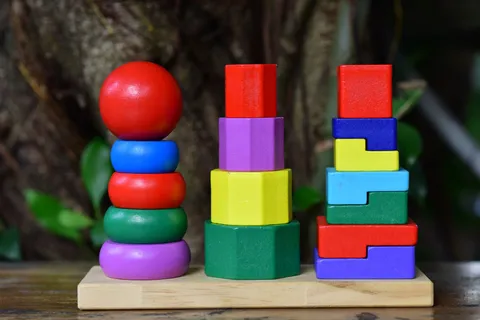
- Explore shapes and measure with blocks and cups.
- Use math words like more, less, bigger and smaller.
3. Fine motor skills
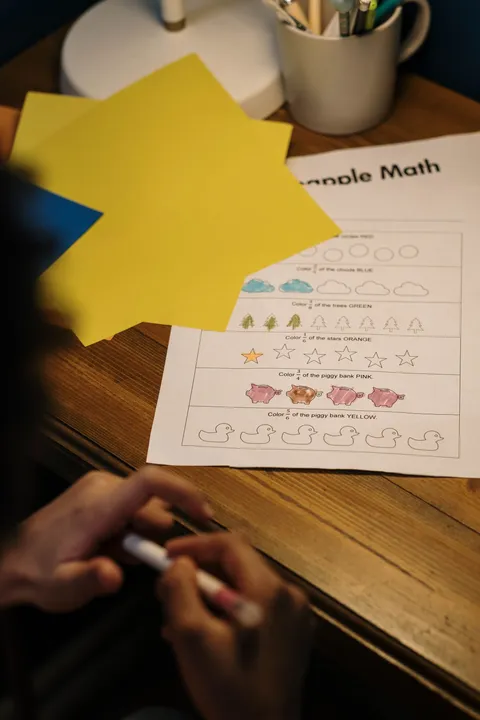
- Play-dough, threading, tearing, cutting with child-safe scissors, and tracing lines.
- See pre-writing tracing lines worksheets for preschool.
4. Gross motor skills
- Running, climbing, jumping, dancing and balancing every day.
5. Science and nature
- Nature walks, simple experiments, planting seeds, weather watching.
- Try our simple science activities for preschoolers.
6. Art and music
- Painting, drawing, collage, singing and simple instruments.
7. Social-emotional learning
- Naming feelings, taking turns and helping around the house are all good places to start.
A sample daily schedule
| Time | Activity |
|---|---|
| 8:00 | Breakfast, free play |
| 9:00 | Circle time: song, story, calendar, weather |
| 9:20 | Hands-on learning: counting, letters or a science activity |
| 9:45 | Movement or outdoor play |
| 10:30 | Snack, then creative time: art, building or music |
| 11:30 | Free play |
| 12:00 | Lunch |
| 12:45 | Quiet time or nap |
| 2:30 | Read-aloud and a walk or errand |
| 4:00 | Free play, helping with dinner |
Adjust it to your family. Guided time is often just an hour or so.
How to choose materials
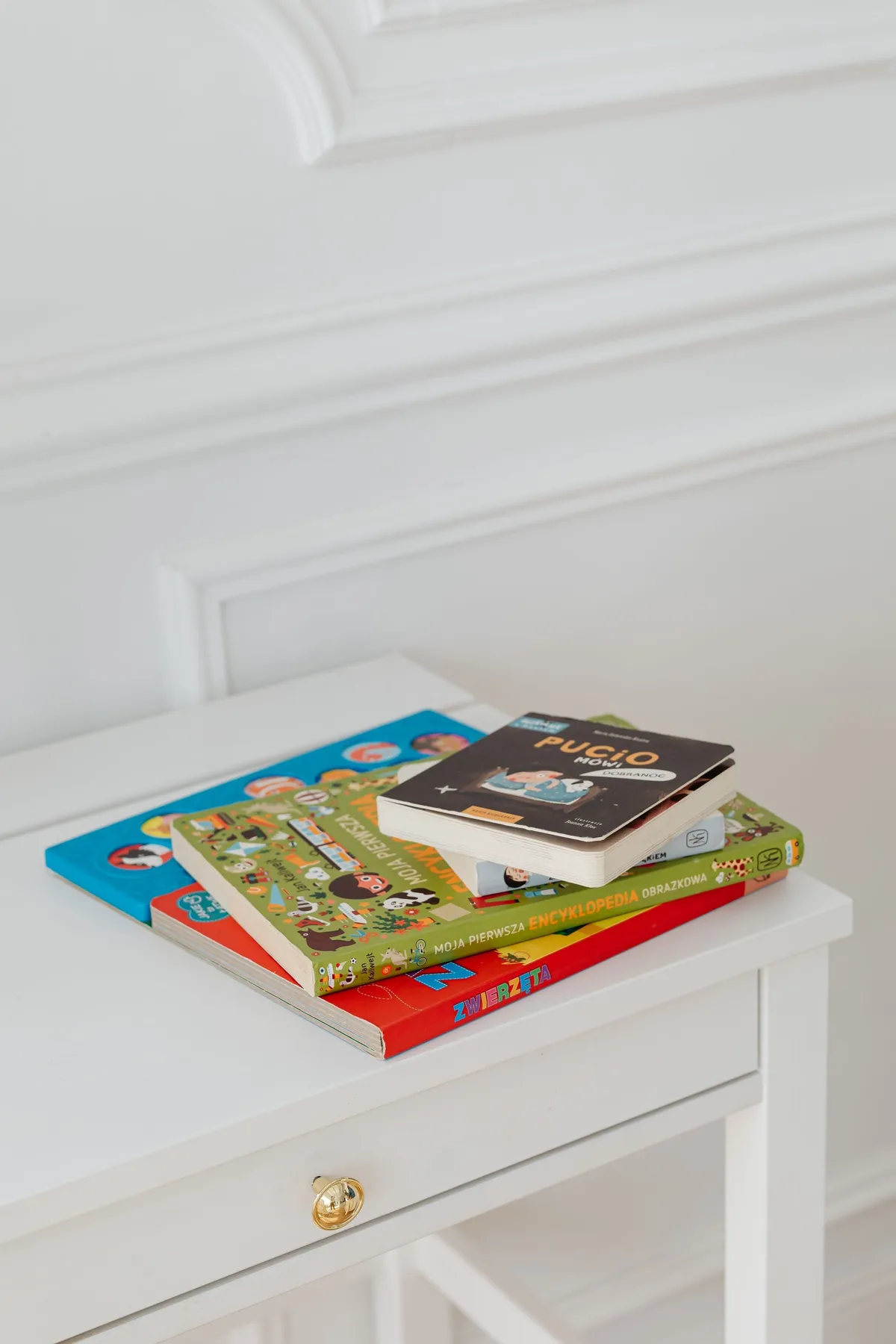
Books, books, books. A library card is the best preschool investment. Read a mix of stories, non-fiction and rhymes.
Open-ended toys. Blocks, play-dough, art supplies, puzzles and dress-up items serve many purposes.
Household objects. Measuring cups, buttons, pasta and paper are all learning tools.
Printables. Use them as a supplement for focused practice, not the main event. A printable activity book like Preschool Skills Busy Book: 100 Printable Activities for School Readiness covers letters, numbers, colors, shapes, counting, tracing, matching and patterns, and works alongside the hands-on plans above. For children ages 2 to 4, My First Learning Busy Book: Letters, Numbers, Colors & Shapes provides a gentle 20-page introduction.
When a boxed curriculum helps
A boxed or purchased curriculum can be a good choice if you:
- like having a plan laid out for you,
- feel unsure about what to teach,
- have limited time for planning,
- or want to track progress.
If you go this route, look for one that emphasizes play and flexibility, and feel free to skip parts that don’t fit.
Building a rhythm rather than a schedule
Preschoolers thrive on a predictable order of events rather than exact times. A repeating rhythm — play, snack, circle, outside, lunch, rest — gives security. Our preschool learning routine at home explains how.
Checking readiness for kindergarten
By the end of the preschool years, many children can recognize some letters, count objects, hold a pencil, follow simple directions and separate from parents for short periods. Our preschool and kindergarten readiness checklist helps you see where your child is without pressure.
Keeping it joyful
Homeschool preschool should feel like a warm extension of family life. If lessons start to feel like a battle, shorten them, move outside or read a book instead. There’s no rush, and a curious, confident child is the best foundation you can offer.