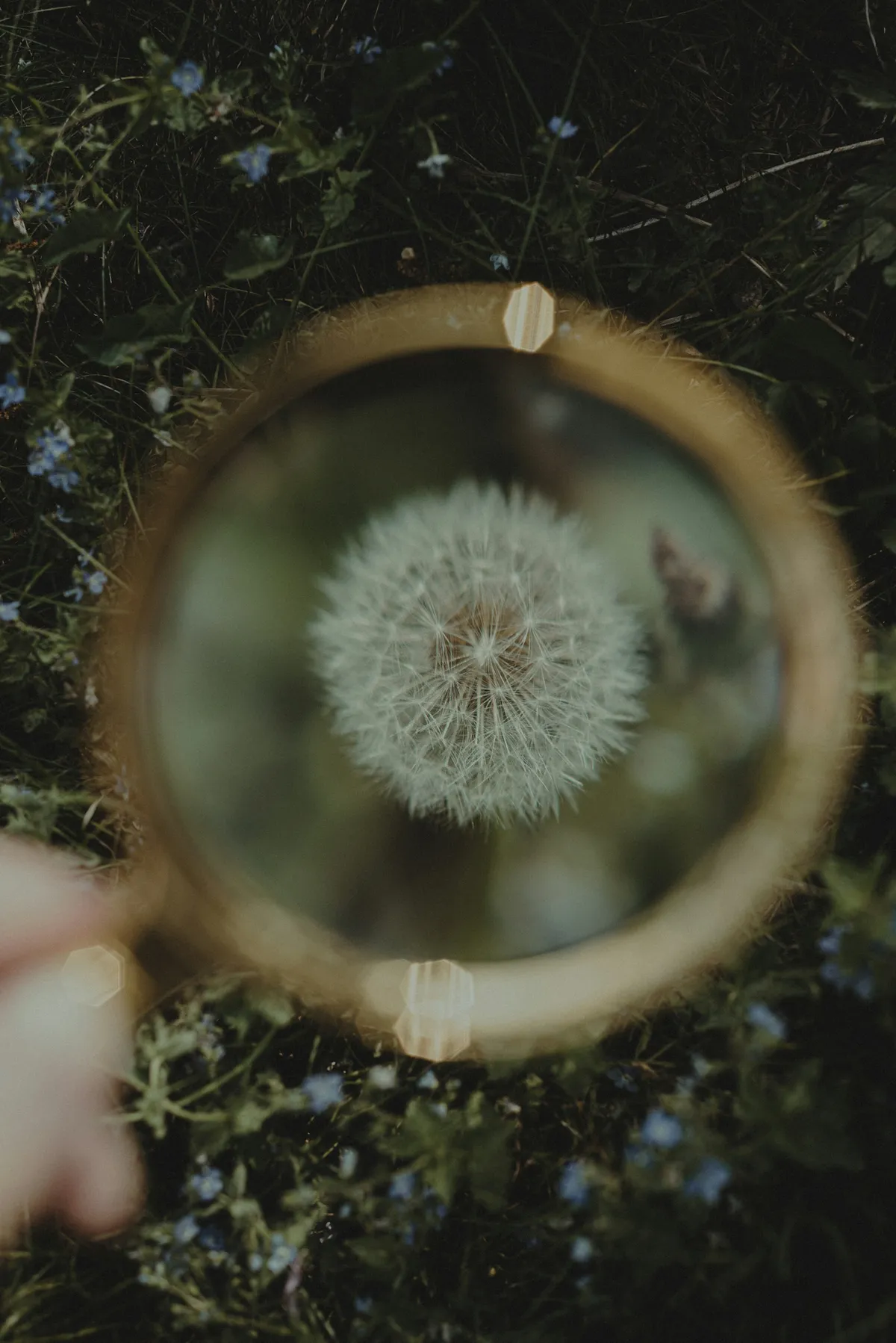
Preschoolers are natural scientists in the sense that matters most at this age: they notice things, ask questions, and want to touch and test whatever’s in front of them. The activities that work best for this stage lean into that instinct rather than fighting it — short, hands-on, and built around noticing rather than following a strict process from start to finish.
What “science” looks like at preschool age
At three to five years old, a science activity doesn’t need a hypothesis, a written prediction, or even a clear beginning and end. What matters is hands-on exploration with an adult occasionally naming what’s happening — “look, the ice is getting smaller” or “the water changed color.” That simple narration does most of the work of connecting the activity to actual observation, which is the real foundation of science at any age.
Color mixing with water
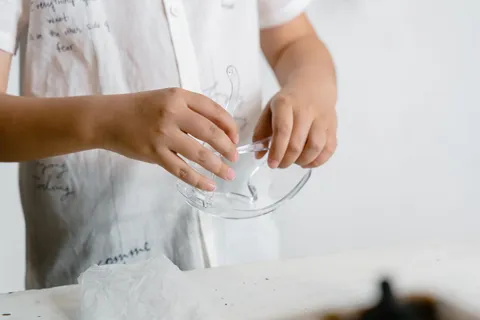
Fill a few clear cups with water and add a few drops of food coloring to each, then let your child combine them to see what new colors appear. This activity is almost entirely self-directed once it’s set up, and the immediate, visible result — red and blue becoming purple — tends to hold attention well on its own.
Sink or float, simplified
A basin of water and a small pile of safe household objects — a sponge, a spoon, a plastic block, a cotton ball — is enough for a full activity. Rather than framing it as a formal test, let your child drop objects in freely and describe what they notice, occasionally asking “did you think that one would float?” to gently introduce the idea of a guess.
Melting and freezing
Give your child an ice cube on a plate and let them watch, poke, and describe what happens to it over time. For a longer version, freeze a few small toys in an ice block the night before and let your child work out ways to free them the next day — with warm water, salt, or just patience. Both versions turn a simple state change into an engaging, mostly self-directed activity.
Nature walk noticing
A short walk focused on collecting or pointing out things — different leaf shapes, rocks of different textures, bugs, clouds — counts as real observational science at this age. Bringing a small bag or container for anything collected gives the walk a bit of structure without turning it into a formal lesson.
Building on this later
The short, sensory-first activities here are a starting point rather than the ceiling — as a child moves toward kindergarten and early elementary age, the same curiosity can shift toward slightly more structured comparisons and guesses. Science Experiments for Kids by Age covers what that progression looks like stage by stage, and Easy STEM Activities for Kids Using Household Items has a broader list to grow into. For more general preschool learning activities beyond science specifically, Early Learning Activities for Preschoolers is a good companion guide.
Keeping expectations realistic
None of these activities need to be completed a specific way to count as valuable. A preschooler who explores for a few minutes, asks one question, or simply enjoys the sensory part of an activity is still building real observational habits — the goal at this age is curiosity and comfort with hands-on exploration, not a finished result. STEM and Science Activities for Kids at Home: The Complete Guide covers what this looks like as your child grows into more structured activities.
Frequently asked questions
How long will a preschooler stay interested in a science activity?
Usually somewhere between five and fifteen minutes, depending on how visible and immediate the result is. Activities with a quick, clear payoff — something floats, something changes color, something melts — tend to hold attention longer than ones with a delayed result.
Do I need to explain the science behind each activity?
Not really, and not in much depth if you do. At this age, noticing and describing what happened matters more than understanding why. A short, simple explanation is fine if your child asks, but it doesn’t need to be the point of the activity.
What if my preschooler loses interest halfway through?
That’s normal and not a sign the activity failed. A preschooler who explores for a few minutes and then moves on has still gotten real value from the part they engaged with — there’s no need to insist on finishing a set process.