An experiment that fascinates a seven-year-old can lose a toddler within seconds, and a simple sensory activity that delights a two-year-old won’t hold an elementary schooler’s attention for long. Matching the format and pace of a science activity to a child’s actual stage — not just picking something labeled “for kids” — is what makes it work.
Toddlers (roughly 18 months–3 years): sensory exploration
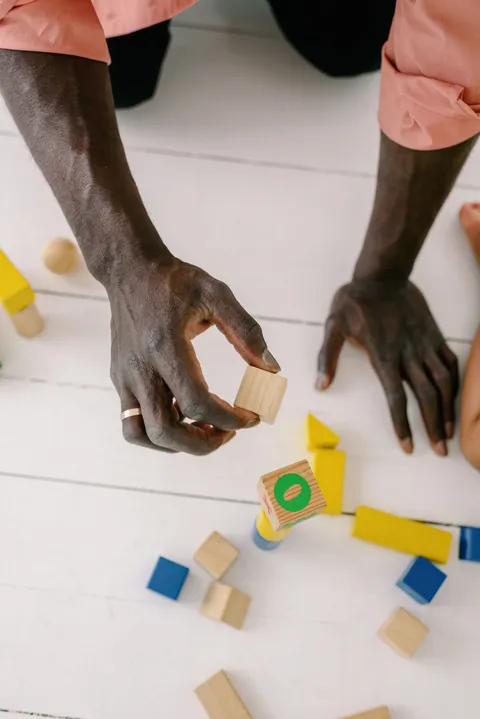
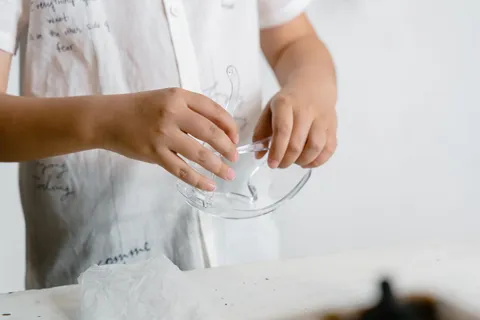
At this age, “experiment” mostly means safe, hands-on sensory exploration rather than anything with a real hypothesis. Pouring water between containers of different sizes, squishing and shaping playdough, or sorting objects by color or size all count as genuine early science — the goal is noticing differences and cause and effect (this container holds more, this one spills), not following steps toward a specific result.
Preschoolers (roughly 3–5 years): simple, visible cause and effect
Preschoolers are ready for a slightly more structured setup, as long as the result is quick and visible. A sink-or-float test, watching ice melt in different spots around the house, or a simple magnet hunt all work well here, since each one delivers a clear, immediate answer to a simple question. Asking “what do you think will happen?” before each test starts introducing the idea of a guess, even if the word “hypothesis” never comes up.
Kindergarten and early elementary (roughly 5–7 years): comparing and predicting
Kids at this stage can usually follow a slightly longer experiment and start comparing results across a few tries, rather than just observing one outcome. Racing to melt ice cubes using different methods, testing which household objects a magnet attracts, or building the tallest freestanding tower are all good fits — each one naturally invites comparing more than one attempt and noticing what changed between them.
Elementary school (roughly 7–10 years): real hypothesis-testing
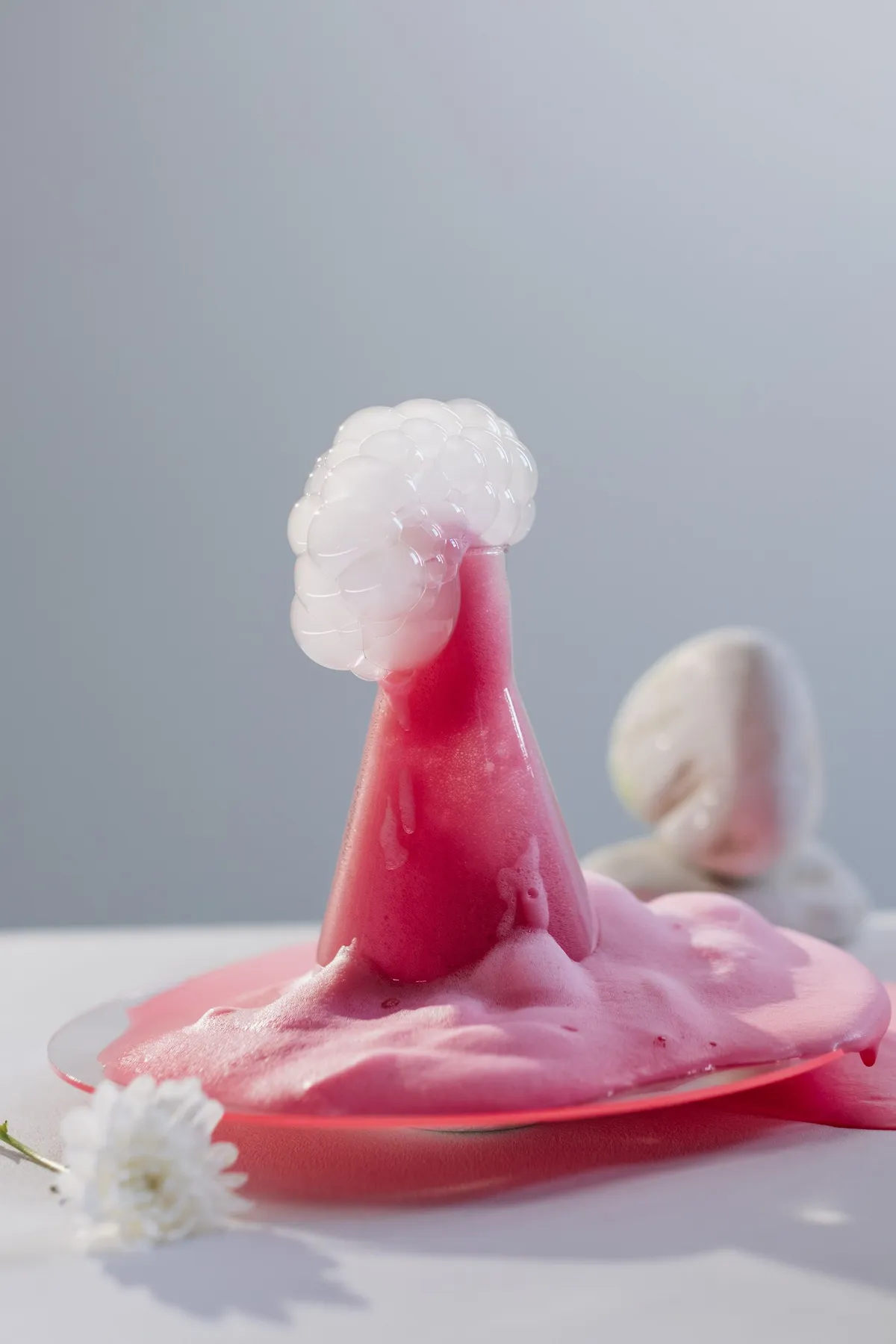
By elementary school, many kids can genuinely predict an outcome before testing it and explain why they think it will happen — the beginning of real scientific reasoning. This is a good age to introduce a classic, slightly more involved reaction like the baking soda and vinegar volcano experiment, which includes an actual explanation of the chemistry behind the reaction that a child at this stage can usually follow.
Mixing ages in the same household
When siblings of different ages want to do the same activity together, the simplest fix is usually to keep the setup identical and adjust the conversation — a younger child observes and helps pour or stir, while an older one is asked to guess the outcome first and explain the result afterward. Easy STEM Activities for Kids Using Household Items has a good starting list of activities flexible enough to work across a wider age range this way.
Matching format to attention span, not just the calendar
Age ranges here are a starting point, not a strict rule — attention span varies by the day, and a child who’s tired or distracted may do better with something a stage below their usual level. Watching how a child actually responds to an activity, and adjusting the next one accordingly, works better than sticking rigidly to an age label. STEM and Science Activities for Kids at Home: The Complete Guide ties this age-by-age guidance together with the rest of what makes hands-on science work at home.
Frequently asked questions
What’s the biggest mistake parents make with science experiments at home?
Picking something built for an older age group and expecting the same level of focus. An experiment with too many steps or too long a wait for results tends to lose a younger child before the interesting part happens — matching the format to the age matters more than the specific topic.
Do experiments need to be planned in advance?
Not usually. Most of what’s listed here uses items already at home and can start within a few minutes of a child showing interest, which tends to matter more for engagement than advance planning.
How do I know if an experiment is too advanced for my child?
Watch for frustration or a fast loss of interest rather than assuming based on age alone. If a child needs the same step repeated more than once or two before it clicks, a simpler version of the same idea is usually a better next try.