STEM stands for science, technology, engineering, and math, but at home with young kids, it mostly just looks like hands-on play with a question attached: Will this float? What happens if I add more? Why did that fall over? None of it requires a purchased kit — a kitchen, a recycling bin, and a few minutes of setup cover almost everything below.
Why household items work just as well as a kit
A STEM kit isn’t doing anything a cup of water, a magnet, or a ramp made from a cardboard box can’t do. What actually matters for a young child is the hands-on testing and observing, not the packaging. Using items already on hand also means an activity can start the moment curiosity shows up, rather than waiting on a delivery, which tends to matter more for keeping the interest alive than the materials themselves.
Sink or float
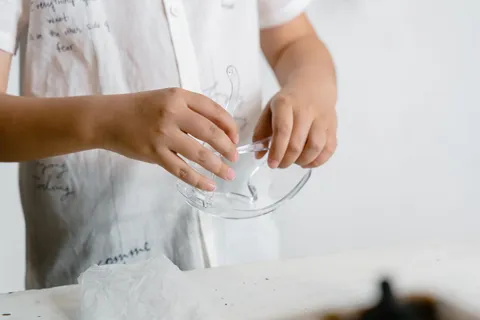
Fill a large bowl or the sink with water and gather a mixed pile of small objects — a coin, a cork, a spoon, a plastic block, a rubber band, a rock. Before dropping each one in, ask your child to guess whether it will sink or float, then test it. This simple setup introduces prediction and observation, two of the core habits behind all science, and it’s easy to repeat with a completely different set of objects the next time.
Magnet scavenger hunt
Give your child a magnet and send them around the house to test which objects it pulls toward and which it doesn’t. Sorting the results into two piles afterward — magnetic and not — turns a scavenger hunt into an early classification exercise, and most kids are surprised by at least one result along the way.
Ramp and roll
Prop up a piece of cardboard or a board against a stack of books to make a ramp, and test how far different objects roll or slide once they reach the bottom — a ball, a toy car, a bottle cap. Changing the ramp’s height and comparing results introduces an early, very approachable version of testing one variable at a time, which is a genuine engineering habit even in this simple form.
Ice melting race
Give your child two or three ice cubes and let them experiment with ways to melt one faster than the others — in sunlight, in a cup of warm water, wrapped in a towel, or just sitting on a plate. This activity naturally introduces the idea of comparing conditions side by side, and it holds attention well since the results are visible in real time.
Building a simple tower
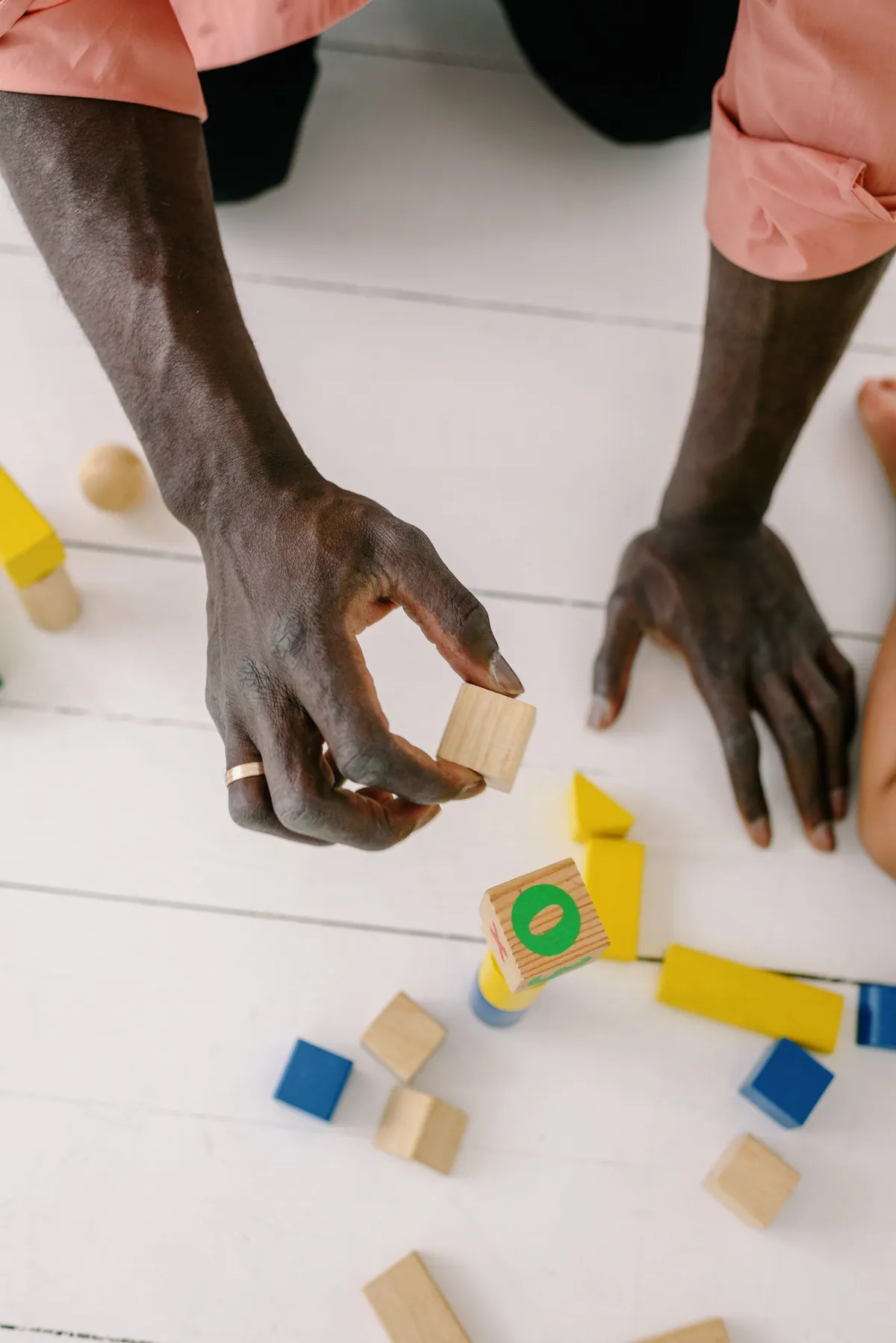
Using materials like blocks, cups, or even dry pasta and marshmallows, challenge your child to build the tallest tower that can stand on its own for ten seconds. This is a low-cost way into basic engineering thinking — balance, a wide base, and the value of testing and rebuilding when something falls over.
Kitchen chemistry, ready when you are
For a slightly more involved activity with a bigger, more dramatic payoff, the classic baking soda and vinegar volcano experiment uses two more household ingredients to introduce a real chemical reaction kids can see and feel, with a simple explanation of why it happens.
Keeping it low-pressure
None of these activities need a lesson plan or a specific right answer to be worthwhile. A five-minute sink-or-float test before dinner does just as much for a child’s curiosity as a longer, more planned-out session — the value comes from the repeated habit of testing and observing, not from any single activity being elaborate. STEM and Science Activities for Kids at Home: The Complete Guide brings this together with guidance on choosing activities by age and building a simple routine around them.
Frequently asked questions
Do I need to buy anything special for these activities?
No. Every activity here uses items most homes already have — cups, water, tape, cardboard, kitchen ingredients — rather than a purchased kit or specialty supplies.
What age are these activities best suited for?
Most work well from roughly age 4 through elementary school, with the level of independence and follow-up questions adjusted for the child. A few, noted below, work better with a bit more reading and counting ability.
Does it matter if the experiment doesn’t work exactly as expected?
Not at all — an unexpected result is often the most interesting part. Asking “why do you think that happened?” when something doesn’t go as planned is itself a genuine piece of scientific thinking.