Science activities are easy to enjoy once they happen and easy to let slip in the meantime, especially without a plan. A simple, low-effort routine — a rough sense of when, an easy way to pick something, and low pressure around finishing every activity — tends to be the difference between science staying an occasional treat and becoming a genuine regular habit.
Why a loose routine works better than a rigid one
A science routine doesn’t need a fixed schedule or a curriculum to be effective. What actually helps is removing the friction that stops an activity from happening in the first place: knowing roughly when it fits into the week, and having a simple way to pick something without much deliberation. A family that treats “science time” as a flexible slot, rather than a strict appointment, tends to keep the habit going much longer.
Picking a time that already exists in your week
Right after school, during a weekend morning, or as a rainy-afternoon option are all natural slots, and the best choice is whichever one already fits your family’s actual rhythm rather than one that requires rearranging the schedule to make room. A single regular slot — even just once a week — is usually enough to establish the habit.
Keeping a simple list to choose from
Rather than deciding what to try in the moment, keep a short running list of activity ideas pulled from a few different sources:
- Open-ended exploration. Easy STEM Activities for Kids Using Household Items is a good starting list for low-barrier options that need almost no planning.
- Age-matched picks. Science Experiments for Kids by Age helps make sure whatever’s chosen actually fits your child’s current stage, rather than something built for an older or younger age group.
- Gentler options for younger siblings. Simple Science Activities for Preschoolers covers shorter, sensory-first activities that work well when a younger child is joining in.
- A bit more challenge when it’s wanted. STEM Activities That Build Problem-Solving Skills is worth mixing in occasionally for a child ready for something a little more involved.
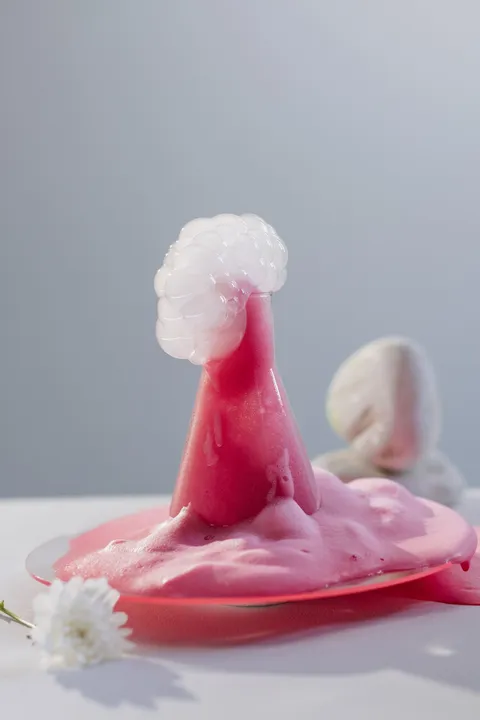
- An occasional bigger moment. The baking soda and vinegar volcano experiment works well as a special, slightly more dramatic activity rather than a weekly default.
Letting kids help choose
Giving a child two or three options to pick from, rather than deciding for them, tends to increase how enthusiastic they are about the activity itself. It also gives a natural signal about what’s currently interesting to them, which can guide what gets added to the rotating list next.
Keeping the routine realistic
The most common way a science routine fades out isn’t a lack of interest — it’s a routine that’s too elaborate to sustain through an ordinary busy week. A few habits help it last: keep the activity list simple and ready to go, don’t insist on finishing every activity a specific way, and let an occasional skipped week pass without guilt. A science routine that survives real life is worth more than a perfectly planned one that only works on paper. STEM and Science Activities for Kids at Home: The Complete Guide covers the rest of what makes this cluster work, from getting started to building problem-solving skills.
Frequently asked questions
How often should we do science activities at home?
There’s no required frequency — even a short activity once a week is enough to build genuine curiosity and comfort with hands-on exploration over time. Consistency matters more than how often specifically.
What if we go a week or two without doing any science activities?
That’s completely normal and not something to worry about. A routine that survives occasional gaps without guilt tends to last far longer than one that requires perfect, uninterrupted consistency.
Do we need a dedicated space or set of supplies?
No. Most of the activities in this cluster use ordinary household items and can happen at the kitchen table or on the floor, which removes one of the biggest barriers to actually starting.