Some STEM activities are mostly about a satisfying result — watching something fizz or change color. Others do something a little different: they hand a child a real obstacle and let them work through it. Those second kind of activities are where problem-solving actually gets practiced, and a few small adjustments can turn almost any STEM activity into one of them.
What turns an activity into problem-solving practice
The difference usually comes down to one thing: whether there’s a real obstacle standing between the child and the result, rather than a straightforward set of steps to follow. A tower that keeps falling over, a maze that dead-ends, or a pattern that doesn’t continue the way expected all require a child to notice something isn’t working and try a different approach — that noticing-and-adjusting loop is the actual skill being built.
Freestanding tower challenge
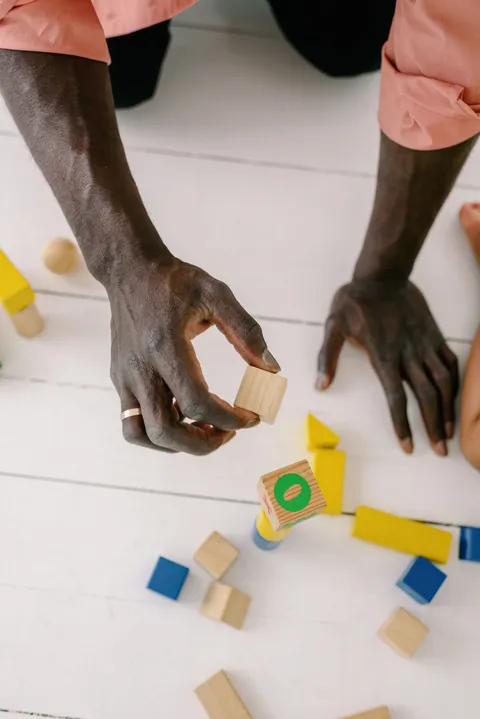
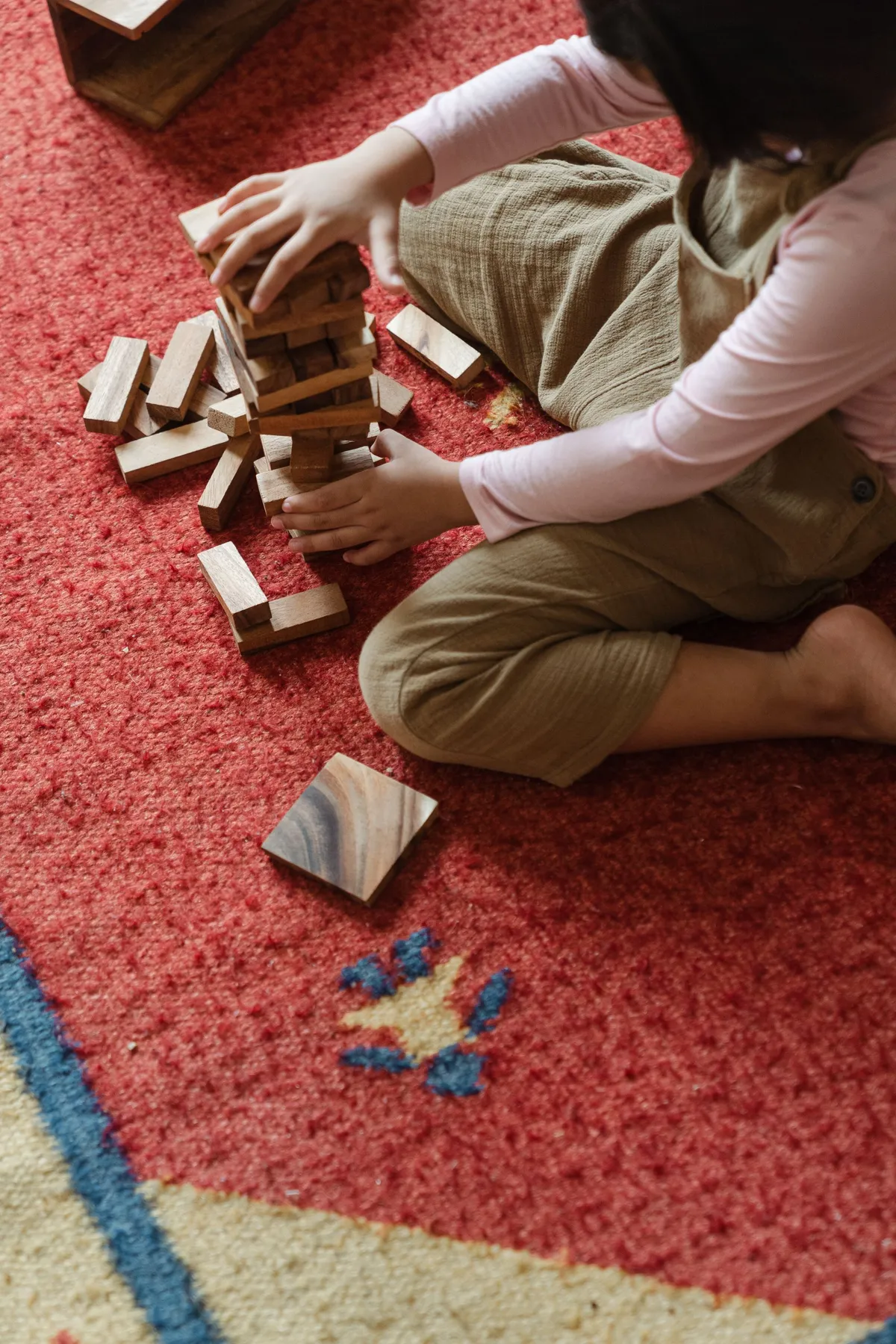
Using blocks, cups, or a mix of household materials, challenge your child to build the tallest tower that can stand on its own for ten seconds — no glue or tape allowed. Towers fall over, and that’s the point: each collapse is useful information about what needs to change, whether that’s a wider base, a lighter top, or slower, more careful stacking.
Simple mazes and obstacle courses
A maze drawn on paper, built from cardboard, or laid out with household objects on the floor gives a child a clear goal with more than one possible path — some of which won’t work. Working through dead ends, backing up, and trying a different route is a very literal, physical version of the same problem-solving process used in far more abstract situations later on.
Pattern and sequence challenges
Arranging objects — blocks, buttons, snacks — into a repeating pattern and asking your child to predict or continue it builds pattern recognition, a core piece of logical thinking. Making a pattern intentionally break partway through, and asking your child to spot where it went wrong, adds a genuine problem-solving twist to a familiar activity.
Sorting with a twist
Basic sorting by color or size is a good starting point, but a stronger problem-solving version asks a child to sort the same set of objects two different ways — first by size, then by something else, like texture or function. Explaining why a new sorting rule changes the groupings pushes a child to articulate their own reasoning, not just complete a task.
Extending the practice further
The activities above build the same kind of thinking — noticing what isn’t working and adjusting — in a hands-on, physical form. For families who want a more structured way to keep building these skills, the Advanced Logic & Problem Solving: Skill Practice Workbook is a 15-page printable built around pattern recognition, mazes, sorting, and sequencing for ages 6–7, covering much of the same ground in a ready-to-use format for days when a from-scratch activity isn’t practical.
Pairing hands-on play with the rest of this cluster
Problem-solving activities work well alongside the more open-ended exploration covered in Easy STEM Activities for Kids Using Household Items and the age-specific guidance in Science Experiments for Kids by Age — together they cover both the curiosity-driven and the more structured sides of hands-on STEM learning at home. Simple Science Activities for Preschoolers has gentler starting points for younger siblings joining in, and STEM and Science Activities for Kids at Home: The Complete Guide ties everything in this cluster together.
Frequently asked questions
What’s the difference between a STEM activity and a problem-solving activity?
There’s a lot of overlap, but the activities here are chosen specifically because they involve a real obstacle to work through — something doesn’t fit, doesn’t balance, or doesn’t work the first time — rather than just producing an interesting result to observe.
Should I step in when my child gets stuck?
Usually not right away. A short pause to let a child try a different approach on their own is often where the real problem-solving practice happens. Stepping in with a hint after a few minutes of genuine effort is a reasonable middle ground if frustration is building.
Are these activities only useful for kids who are “good at” science?
No. Problem-solving is a general skill that shows up in plenty of non-science contexts too — these activities are simply a hands-on way to practice it, not a filter for identifying which kids are suited to STEM subjects.