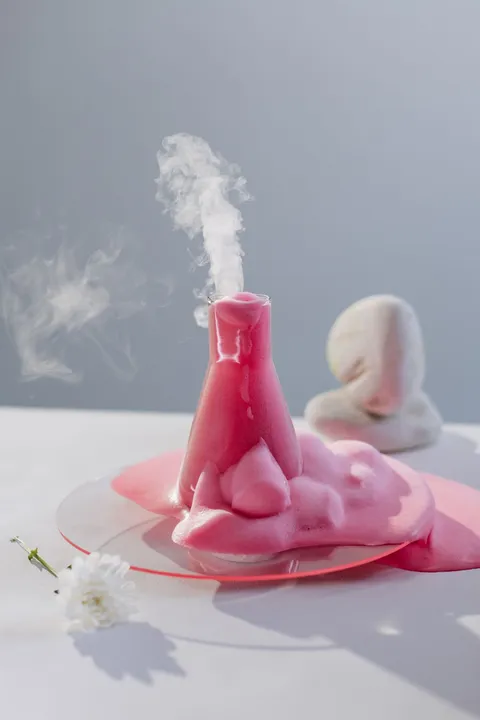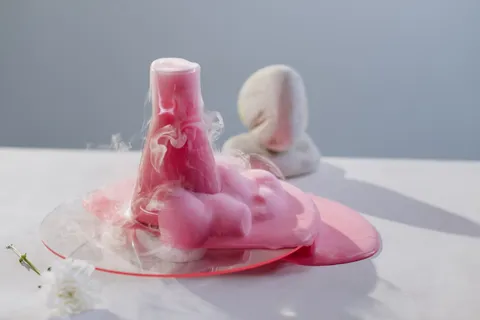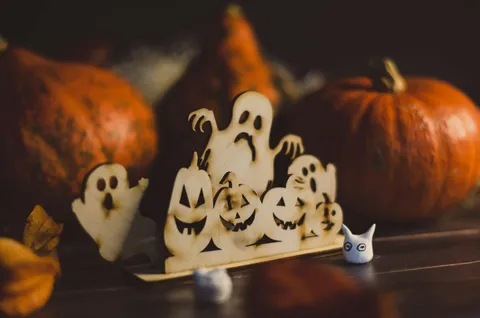
Halloween has the perfect cast for a science lesson: potions, ghosts, mysterious color changes and things that bubble over. Halloween science experiments for kids let you use all of that excitement to show real things that liquids, gases and static electricity do. Nothing here is scary and nothing needs special equipment. You will find most of what you need in the kitchen.
Each experiment below has a short list of items, simple steps and a one-paragraph explanation you can read aloud. Pick one for a quiet afternoon or two or three for a party. If you would like more Halloween ideas that are not science, our Halloween activities for kids at home hub has low-prep games and crafts by age.
Set up a simple Halloween science lab
A few habits make every experiment calmer and more useful:
- Use a big tray or baking sheet. It catches spills and gives your child a clear work area.
- Wear an old shirt and, if vinegar or splashing is likely, simple safety glasses. Children love wearing them and they cost very little.
- Ask for a prediction first. “What do you think will happen?” is the real science skill. A wrong guess is still good science.
- Talk about what you see. Words like fizz, sink, float and mix build vocabulary as well as understanding.
- Make one change and try again. More soap, a different color, warmer water: small changes teach children how to test an idea.
1. Bubbling witch’s potion (ages 3 and up)
You need: a clear cup or small jar, baking soda, white vinegar, green or purple food coloring, a squirt of dish soap, a tray.
Steps:
- Put two or three spoonfuls of baking soda into the cup.
- Add a few drops of food coloring and a small squirt of dish soap.
- Let your child pour in a little vinegar and watch the potion bubble up.
- Keep adding vinegar a little at a time until the fizzing stops, then try again.
The science: Baking soda is a base and vinegar is an acid. When they meet, they react and make carbon dioxide gas. The gas makes the bubbles, and the dish soap traps it so the foam grows. This is the same reaction as the classic baking soda and vinegar volcano.
2. Color-changing cabbage potion (ages 5 and up)
You need: a few leaves of red cabbage, hot water (adult only), a strainer, small clear cups, lemon juice or vinegar, and a spoonful of baking soda dissolved in water.
Steps:
- An adult chops the cabbage and covers it with hot water. Leave it for about 10 to 15 minutes until the water turns purple-blue, then strain out the cabbage.
- Pour the cooled purple liquid into three or four cups.
- Add a little lemon juice or vinegar to one cup, and a little baking soda solution to another. Keep one cup plain to compare.
- Watch the colors change, then stir the cups together for a final surprise.
The science: Red cabbage juice contains natural pigments that change color depending on whether something is an acid or a base. Acids such as lemon juice and vinegar usually turn it pink or red, while bases such as baking soda usually turn it blue or green. Scientists call a substance like this an indicator. It works well as a “magic potion” because the change is quick and easy to see.
3. Witch’s brew density jar (ages 5 and up)
You need: a tall clear jar or glass, honey, dish soap, water with a few drops of food coloring, vegetable oil, a spoon.
Steps:
- Pour a little honey into the bottom of the jar.
- Gently add dish soap on top of it, pouring slowly over the back of a spoon.
- Add colored water in the same way, then finish with vegetable oil.
- Look at the layers, then drop in a small item such as a bead or a piece of pasta and watch where it stops.
The science: Different liquids have different densities, which means the same amount of each one has a different weight. The heaviest liquid sinks to the bottom and the lightest floats on top. In this jar the honey is usually the densest and the oil the lightest, and the layers stay apart because they do not mix easily. The layers may blur a little if you pour quickly; that is normal and worth talking about. Keep honey away from babies under one year old.
4. Dancing raisins, or “haunted bubbles” (ages 5 and up)
You need: a tall clear glass of fizzy water (sparkling water or clear soda) and a handful of raisins.
Steps:
- Fill the glass most of the way with fizzy water.
- Drop in several raisins and watch what happens over the next minute.
- Ask your child to describe the raisins’ path: down, up, down again.
The science: The raisins are heavier than the liquid, so they sink at first. Tiny bubbles of carbon dioxide gather on their wrinkled skins and lift them to the surface. When the bubbles pop at the top, the raisins sink again and repeat the dance. The effect fades as the drink goes flat. Raisins can be a choking hazard for young children, so save this one for children who no longer put things in their mouths, and do not eat the raisins afterwards.
5. Yeast-powered ghost balloon (ages 5 and up)
You need: a small clean bottle, a packet of dry yeast, a spoonful of sugar, warm (not hot) water, a balloon and a permanent marker.
Steps:
- Draw a ghost face on the balloon with the marker and stretch the balloon a few times.
- Put the yeast and sugar into the bottle, add warm water and swirl.
- Stretch the balloon over the bottle’s neck and set it somewhere warm.
- Check every few minutes. Over about 10 to 30 minutes the ghost slowly puffs up.
The science: Yeast is a tiny living thing that “eats” sugar. As it does, it releases carbon dioxide gas, which slowly fills the balloon. Because it needs warmth and time, this is a patient experiment and a nice contrast to the instant fizz of the potion. Broken balloon pieces are a choking hazard for young children, so an adult should handle the balloon.
6. Static-electricity ghosts (ages 5 and up)
You need: a sheet of tissue paper, scissors, a marker, a blown-up balloon and dry hair or a wool sweater.
Steps:
- Cut a few small ghost shapes from tissue paper and draw faces on them.
- Rub the balloon on dry hair or a wool sweater for about 20 seconds.
- Slowly hold the balloon just above the ghosts and watch them lift up.
- Try different distances and different materials, such as foil or a paper cut-out, and compare.
The science: Rubbing the balloon moves tiny electric charges onto its surface. A charged balloon can attract very light objects, so the tissue-paper ghosts jump toward it. This works best on dry days and may be weaker when the air is humid.
Turn the experiments into a scientist’s notebook
A simple notebook turns a spooky afternoon into a science habit. For each experiment, your child can draw what they expected, what they saw and one thing they would change. Younger children can dictate while you write. Ask “What do you think was different this time?” and let them come up with the idea before you explain it. For more ways to keep going with everyday materials, see easy STEM activities for kids using household items and our guide to experiments with food coloring.
Prefer a pumpkin theme? Our pumpkin science experiments for kids include a pumpkin volcano, sink or float and seed counting.
What to do while you wait
Several of these experiments involve waiting: the cabbage steeping, the yeast growing, the balloon inflating. Have a quiet activity ready so no one loses interest. A printable activity book works well for this. The Ultimate Kids’ Activity Book is a printable PDF for ages 4 to 8 with puzzles, mazes, matching games and other screen-free pages. For children up to age 10, Brain Games for Kids is a printable workbook with puzzles, mazes, pattern activities and logic challenges.
Clean-up and quick troubleshooting
- The potion barely fizzed: use fresh baking soda and add a little more vinegar.
- The cabbage juice is too pale: use more cabbage or steep it for longer.
- The density layers blended: pour more slowly over the back of a spoon next time.
- The balloon did not inflate: check the water was warm rather than cold or hot, and give it more time somewhere warm.
- Cleaning up: most of these liquids can go down the sink with plenty of water. Wipe up oil and honey with paper towels first, then use warm soapy water.
Bringing it together
Halloween science does not need to be scary or complicated. Choose one experiment that suits your child’s age, set up a tray, ask for a prediction and enjoy watching the potion bubble, the raisins dance or the ghost puff up. The costume can be an old shirt and a pair of safety glasses, and the best moment is often your child explaining what they think just happened.