A toddler’s whole day is an experiment. They drop a spoon off the high chair to see what happens, pour the bath water from one cup to another and poke every puddle they find. You do not need to turn this into a lesson. What helps is setting up a few safe situations where the discovery is the point.
This guide gathers science experiments for toddlers at home that need ordinary household items, take a few minutes to set up, and keep the focus on exploring rather than getting a “right” result. They suit roughly ages one to three, with notes on how to adjust for each stage.
What “science” means at age two
A toddler is not testing a hypothesis. They are gathering experience: wet versus dry, heavy versus light, cold versus warm, full versus empty. Those early observations are the raw material for later science thinking, though no single activity will “teach” it on its own.
Your role is simple:
- Set up a safe space and then let the child lead.
- Name what you see in short phrases: “The water is cold,” “It went down,” “Splash!”
- Ask one small question, such as “What do you think will happen?”, and then wait. Some toddlers will answer, and many will just act. Both are fine.
- Repeat. Toddlers often do the same thing twenty times, and that repetition is how they learn.
Safety rules before you start
Toddlers put things in their mouths, and water can be a hazard in very small amounts, so a few ground rules matter more than the activity itself.
- Stay within arm’s reach and watch constantly during any water play. Do not leave the room, even for a moment.
- Keep water shallow. A tray or a shallow bowl is enough.
- Check every item for choking risk. Anything small enough to fit inside a toilet paper tube should stay out of the setup for children who still mouth objects.
- Use food-safe materials and avoid dishwashing liquid, vinegar, baking soda reactions and other chemicals for this age group.
- Check for allergies before using food items such as flour, oats or fruit.
- Wipe up spills right away so the floor does not become slippery.
Experiment 1: Pouring and filling
You need: a shallow tray, two or three plastic cups, a small jug, a spoon.
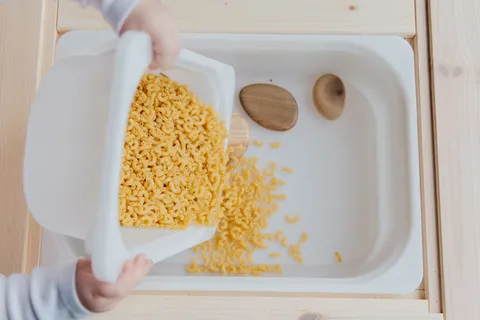
Put a little water in the jug and show your child how to pour it into a cup. Then step back. Most toddlers will fill, empty, spill and pour back again for a surprisingly long time.
What they may notice: water takes the shape of the container, cups can be full or empty, and pouring from higher up makes a bigger splash. Add a funnel for children who are ready for a new challenge.
Experiment 2: Sink or float
You need: a large bowl of water and a handful of larger, safe objects: a wooden spoon, a plastic cup, a clean sponge, a large leaf, a rubber duck.
Hold up one object and ask, “Will it float or sink?” Let your child drop it in and watch. Do this with each item, and talk about what happened.
Toddler tip: choose items bigger than a golf ball, and take them out of the water yourself when you are done. Younger toddlers will mostly enjoy the splash, and that is just as valuable.
Experiment 3: Color mixing with water
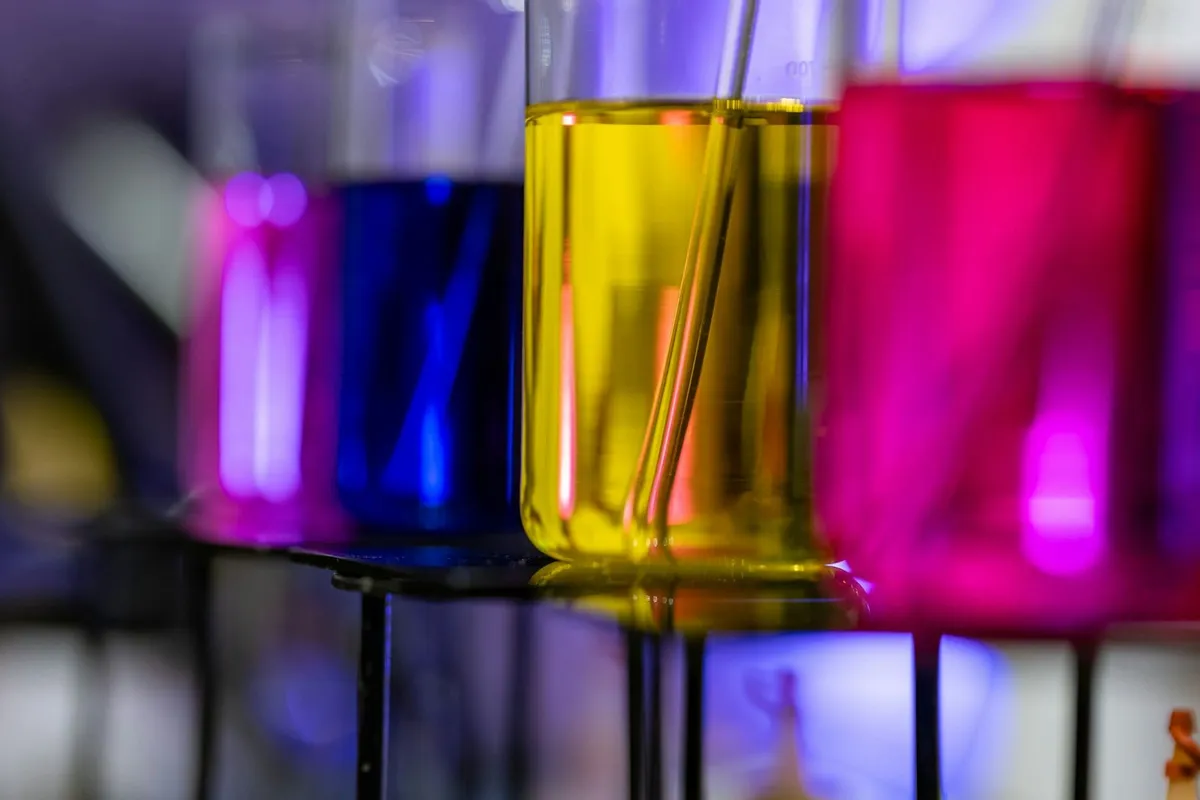
You need: three clear plastic cups, water, washable food coloring (red, yellow, blue), and a spoon.
Add a few drops of color to each cup of water. Then let your child pour a little of one color into another, or use a spoon to move colors between cups. Orange, green and purple tend to appear, and toddlers are often delighted.
What they may notice: colors blend and change. This activity is best with a tray underneath, because food coloring can stain clothes, skin and fabric. Use an apron and expect a mess. Do not let the child drink the colored water.
Experiment 4: Ice play
You need: a bowl of ice cubes (large ones are safer), a tray, a spoon, a cup of warm water.
Let your child touch and move the ice, then pour a little warm water over it and watch it melt. You can freeze small plastic animals inside a larger block of ice the day before, then let your child watch the block shrink as it sits in a tray of water.
What they may notice: ice is cold, it melts, and it slides on the tray. Keep ice cubes large, because small ice chips can be a choking risk for the youngest children, and stop if your child tries to put the ice in their mouth for long periods.
Experiment 5: What does a magnet do? (older toddlers)
For children closer to three who no longer mouth objects, a large, child-safe magnet wand and a few big metal objects, such as large lids or spoons, can be fascinating. Let them find out what sticks and what does not.
Safety note: many small magnets are dangerous if swallowed. Only use large toys made for young children, supervise closely, and never use loose button magnets or magnetic beads.
Experiment 6: Shadows and light
You need: a torch (flashlight), a dark room or a shady corner, a few large toys.
Hold a toy in front of the torch and let your child see its shadow on the wall. Move it closer and further away, and let them move the toy themselves. Toddlers often try to grab or step on the shadow, which is a joy to watch.
Experiment 7: Nature walk and sorting
You need: a small basket and a safe outdoor area.
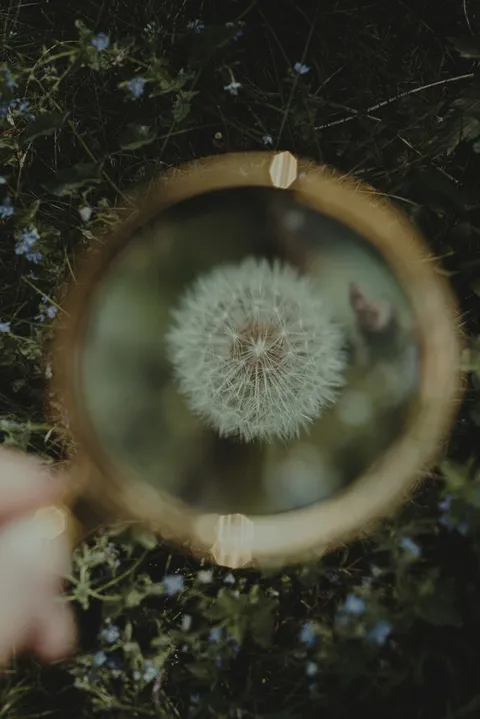
Walk around the garden or the street and collect large leaves, a pine cone or a smooth stone. At home, sort them into two groups, such as “big” and “small,” or “rough” and “smooth.” Skip anything small enough to swallow and wash hands afterwards.
How to keep it going
- Keep a “science tray.” A shallow tray with two or three safe items is faster to set up than a big activity.
- Repeat favorites. Pouring and splashing activities can fill a week.
- Follow the child’s interests. If they are fascinated by ice, go further with ice. If they love color, add more color.
- Take photos or draw simple notes. Looking back at what you did together can spark conversation later.
If you want more hands-on ideas, our guides to sensory activities for toddlers at home and activities for toddlers and two-year-olds at home have plenty. Once your child is older, simple science activities for preschoolers is the natural next step.
A quiet follow-up for after the mess
After a messy activity, toddlers often enjoy something calm. A simple printable can fill that gap. My First Learning Busy Book is a 20-page printable PDF for ages 2 to 4 that covers letters, numbers, colors and shapes through tracing, coloring, counting and matching, which can work well as a sit-down activity once the water tray is put away. It is one option among many, and a few crayons and a blank page do the job too.
When an experiment goes differently than planned
Toddlers rarely follow the script. If your child wants to drink the water, pour it on the floor or walk away after ten seconds, that is normal. Stop and try again another day, perhaps with a different setup. If something seems too frustrating or overwhelming, pause and come back to it later.
If you have questions about your child’s development or sensory preferences, a pediatrician or early years professional can offer personal guidance.