Before a preschooler can write the letter B or the number 5, they need to recognize it — to spot it, name it, and tell it apart from things that look similar. That recognition skill builds through play and repetition, not through handwriting practice, and it’s worth treating as its own stage rather than rushing straight to tracing. This guide focuses on playful, hands-on ways to build recognition of letters, numbers, colors, and shapes, with no worksheets required.
Why recognition comes before writing
Handwriting asks a child to combine several separate skills at once: fine motor control, letter or number recognition, and the ability to reproduce a shape from memory. Recognition alone — knowing what a letter or shape is when you see it — is a simpler, earlier skill, and it’s the one most preschoolers are actually ready to build first. Skipping ahead to tracing before recognition is solid usually just adds frustration, since a child ends up copying a shape they don’t yet reliably identify. Play-based recognition activities let a child build real familiarity with letters, numbers, colors, and shapes at their own pace, with far more built-in repetition than a workbook page typically offers.
Playful ways to build letter and number recognition
None of these require sitting at a table:
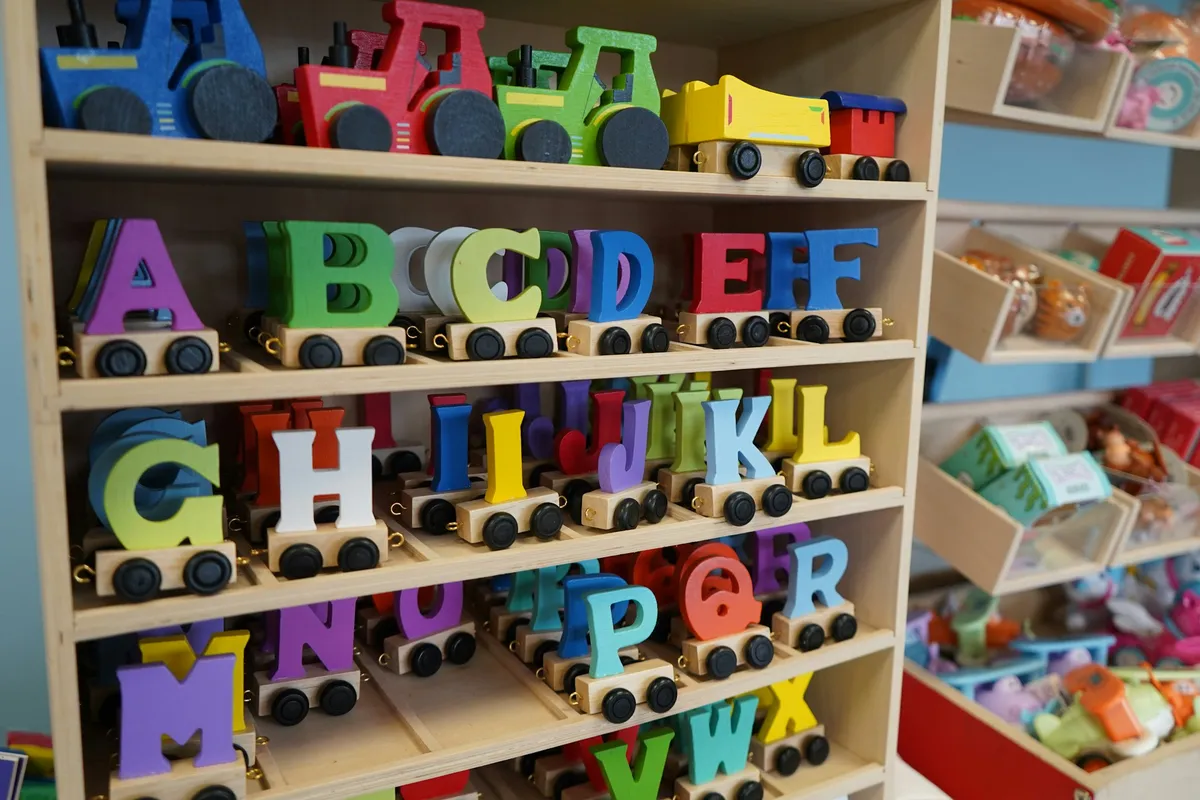
- Letter and number scavenger hunts. Hide a handful of foam or magnetic letters and numbers around a room and ask your child to find a specific one, or find “all the letter A’s.”
- Alphabet and number songs with pointing. Singing through the alphabet or counting aloud while pointing to a poster, a book, or magnetic letters on the fridge links the sound to the symbol.
- Sorting letters from numbers. Mix a pile of magnetic letters and numbers together and ask your child to sort them into two groups — a simple task that reinforces the visual difference between the two categories.
- “Which one is missing?” Lay out four or five letters or numbers, have your child close their eyes while you remove one, and ask them to name what’s missing.
- Letter and number hunts in everyday print. Point out a specific letter or number on a cereal box, a street sign, or a book cover during normal errands and outings — real-world print reinforces recognition just as well as flashcards.
Playful ways to build color and shape recognition
Colors and shapes tend to click earlier than letters and numbers for many children, and they respond well to the same play-based approach:
- Color and shape scavenger hunts. “Find something blue” or “find something shaped like a circle” turns an ordinary room into a quick recognition game.
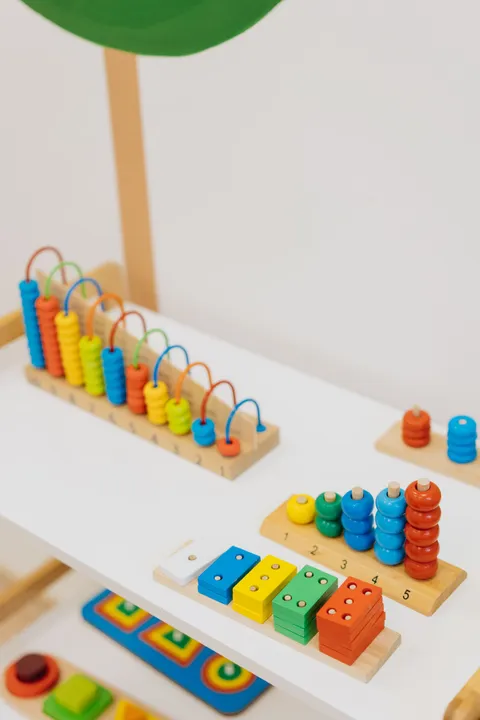
- Sorting by color or shape. Everyday objects — toys, blocks, laundry — can be sorted into groups by color or shape, which builds both recognition and early categorization skills at once.
- Shape stamping or shape walks. Tracing around simple objects (a cup for a circle, a book for a rectangle) or going on a “shape walk” to spot shapes in windows, signs, and furniture connects the abstract shape name to real objects.
- Color-mixing play. Simple color mixing with paint, water, or colored blocks — noticing that blue and yellow make green — builds color recognition while adding a genuine “why” a child can observe firsthand.
- Matching games. A simple matching game with color or shape cards, played face-up at first and face-down once a child is ready, adds a bit of memory practice on top of recognition.
What a good early-learning activity book includes
Once these everyday habits feel familiar, a printable activity book can add more structured, varied practice in short sessions — matching, counting, and simple review activities that reinforce the same recognition skills described above, without requiring new materials each time.
A well-built early-learning activity book for this age group typically includes:
- Letter recognition activities covering the full alphabet
- Number recognition and counting practice
- Color identification and color-matching activities
- Basic shape recognition and shape-matching activities
- A hidden-object or seek-and-find activity
- A final mixed review activity covering everything together
Where the My First Learning Busy Book: Letters, Numbers, Colors & Shapes fits: it’s a 20-page printable activity book for ages 2–4 covering exactly this mix — letters A–Z, numbers 1–10, colors and color matching, basic shapes and shape matching, plus a hidden-object activity and a final mixed review, with tracing, coloring, and counting activities woven throughout. For a family who wants a ready-made way to round out the play-based practice described above with some structured, varied pages, it’s a genuine match for this age and this stage of early learning.
Keeping recognition practice playful, not pressured
The biggest risk with early recognition activities isn’t moving too slowly — it’s turning a genuinely playful stage into something that feels like a test. A few habits help keep the balance right: follow your child’s interest rather than a fixed checklist, celebrate a correct guess without making a big deal out of an incorrect one, and stop an activity while your child is still enjoying it rather than pushing until attention runs out. Recognition builds gradually and unevenly, with some letters, numbers, colors, or shapes clicking well before others — that unevenness is normal, not a sign that something needs extra intervention.
Recognition play like this pairs naturally with Fine Motor Activities for Preschoolers: Simple Ideas Using Things You Already Have, since many hands-on fine motor activities can be adapted to reinforce a letter, number, color, or shape at the same time. For a broader look at how this fits alongside other preschool skills by age, see Preschool Activities at Home: A Complete Guide by Age and Skill.
Frequently asked questions
Do preschoolers need to trace letters and numbers before they can recognize them?
No. Recognition — spotting a letter, matching a shape, naming a color — comes before handwriting for most young children, and it develops through repeated exposure and play rather than formal tracing practice. Tracing is a useful later step, not a prerequisite for recognition.
What age should recognition activities like these start?
Many children begin noticing and matching shapes and colors as early as age two, with letter and number recognition typically building between ages three and four. There’s a wide normal range, and interest is usually a better guide than age alone.
How much time should preschoolers spend on these activities each day?
Short and frequent works better than long and occasional. Ten to fifteen minutes of an engaged, play-based activity most days tends to build recognition skills more effectively than a single long session once a week.