“When do kids learn the alphabet?” is one of those parenting questions with no single clean answer, because letter learning is not one skill that appears on a fixed date. It’s a handful of smaller skills, singing along, spotting a familiar letter, naming more letters, connecting letters to sounds, that build up gradually and at different speeds for different children.
This guide walks through a typical rough progression, what tends to help at each stage, and when it’s worth checking in with a teacher rather than worrying alone.
A typical (not universal) progression
Most children move through something like this order, though the pace and exact sequence vary:
- Hearing and enjoying the alphabet song, often before any individual letters are recognized by sight. Many toddlers can “sing” along with the tune and rhythm well before they know what the letters mean.
- Recognizing the first letter of their own name. A child’s name is usually the most meaningful word in their world, so its first letter is often the first one they reliably recognize.
- Recognizing a small handful of other familiar letters, often from a sibling’s name, a pet’s name, or a favorite word like a food or toy brand.
- Recognizing more of the alphabet, usually uppercase letters first, since they are visually simpler and more common in signs and books.
- Connecting letters to their sounds, which typically comes after a child already recognizes a fair number of letters by sight. This step is closer to early reading than to letter recognition itself.
What this can look like by age
These are general patterns, not checklists to complete on schedule.
Around age 2: Enjoying alphabet books, songs and toys; may point at letters without naming them; little to no letter naming is expected yet.
Around age 3: May recognize and name a few letters, often starting with the first letter of their name; enjoys hearing the alphabet song; interest varies widely.
Around age 4: Often recognizes more letters, may attempt to write or copy a few, particularly from their name; some children begin connecting a few letters to sounds.
Around age 5 (kindergarten): Many children recognize most or all uppercase letters and a growing number of lowercase letters, and are beginning to connect letters with sounds as part of early reading instruction. Formal phonics instruction typically continues through kindergarten and beyond, so this is a beginning stage, not an endpoint.
What tends to help at each stage
Play-based, low-pressure exposure supports letter learning better than drilling at any of these ages.
- Read together often. Pointing at letters casually while reading, “That’s the letter S, like in your name,” builds familiarity without turning reading time into a lesson.
- Sing and repeat. The alphabet song, and other letter-based songs, help many children build a mental map of the sequence long before they can name letters out of order.
- Use letters in daily life. Point out letters on signs, cereal boxes and mail. This shows that letters are meaningful and everywhere, not just something that happens on a worksheet.
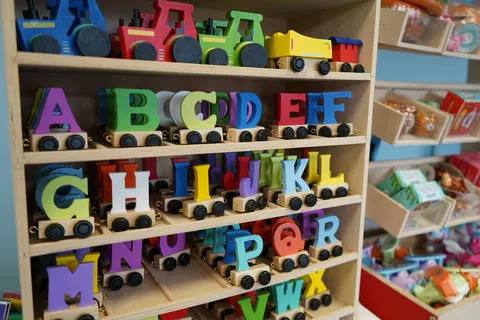
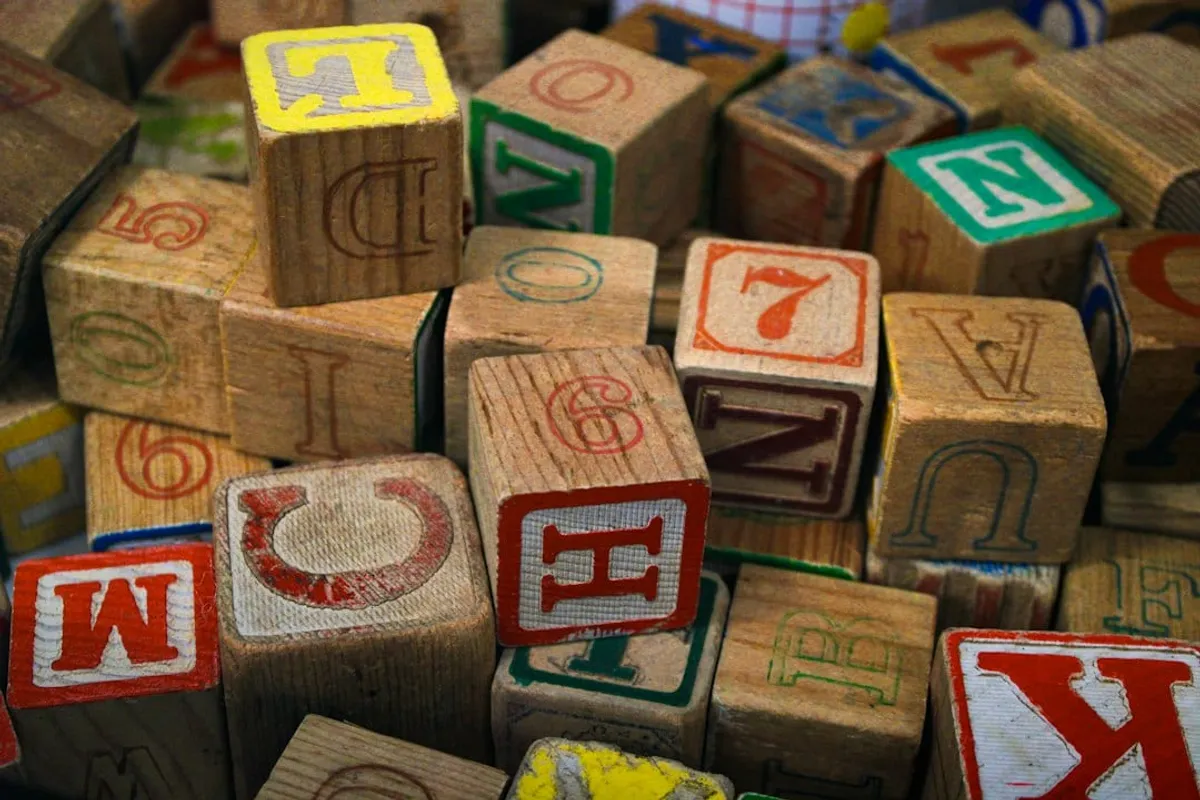
- Offer hands-on letter toys. Magnetic letters, letter blocks and puzzles let children touch and manipulate letters, which suits this age better than static worksheets for most children. Our guide to early learning activities for preschoolers has more hands-on ideas for letters, numbers, colors and shapes.
- Add short tracing practice once a child shows interest, not before. Free printable alphabet tracing pages offers a simple starting point for children who are ready to hold a pencil and follow a guided letter shape.
A coloring-based option for letter practice
For children who enjoy coloring more than tracing, pairing each letter with a picture can make the alphabet feel like play rather than practice. The Alphabet Coloring Book A-Z is a 26-page printable PDF for ages 2 to 5 that pairs each letter from A to Z with an animal to color, using big, bold letters and simple designs sized for young hands. Because each page focuses on one letter, it works well spread across many short sessions rather than finished in one sitting, and a page can be repeated any time a particular letter needs more practice.
When to check in with a teacher
Most children’s letter learning unfolds at its own pace without any intervention needed. A few situations are worth a low-key conversation with your child’s teacher or pediatrician:
- Your child shows little to no interest in or recognition of letters by kindergarten age.
- A kindergartner or older child seems to be struggling noticeably more than classmates with letters or early reading.
- You notice your child avoiding letter-related activities that they used to enjoy, or seeming frustrated rather than simply uninterested.
A teacher who sees your child in a classroom setting, alongside peers of the same age, is often better placed than a parent alone to say whether a pattern is typical or worth a closer look. This is meant as a starting conversation, not a diagnosis to reach on your own.
Bringing it together
There is no single age when kids “should” know the alphabet, only a wide range of typical timing built from smaller steps: song, name, familiar letters, the rest of the alphabet, then sounds. Keep exposure playful, follow your own child’s interest rather than a calendar, and check in with their teacher if you have a specific, ongoing concern. For a broader look at preschool learning across letters, numbers, colors and shapes together, see our guide to preschool activities at home by age and skill.