Letters are abstract: a line, a curve, a dot. Animals are not. A toddler who has never thought twice about the letter B will happily chat about a bear, and once the two are connected, the letter has a face and a sound to hang on to.
This guide shares twelve animal alphabet activities for toddlers, from a “sound of the day” to a walk around an imaginary alphabet zoo. They suit roughly ages two to five, and most use things you already have: toy animals, paper, a tray and a bit of playdough.
Sounds first, or names first?
There is no single right answer, but a gentle approach is to give both. Say the letter name (“This is the letter M”) and the sound it makes (“mmm, like in monkey”). Sounds matter because they help children later when they start to read, while names help with songs and books.
Keep these ideas in mind:
- Go slowly. Three or four letters a week is plenty.
- Start with letters in the child’s name and with favorites such as the animal they love most.
- Do not worry about order. A to Z is a tidy plan for adults, but toddlers learn well from any letter that interests them.
- Repeat. Familiar activities with a new letter feel like a game, not a lesson.
Twelve animal alphabet activities
1. Animal sound of the day
Pick one letter and one animal each day. Say the letter, say the animal and make its sound together. “B for bear. Grrr!” Repeat during the day at snack time and in the car. It takes no preparation.
2. Toy animal letter hunt
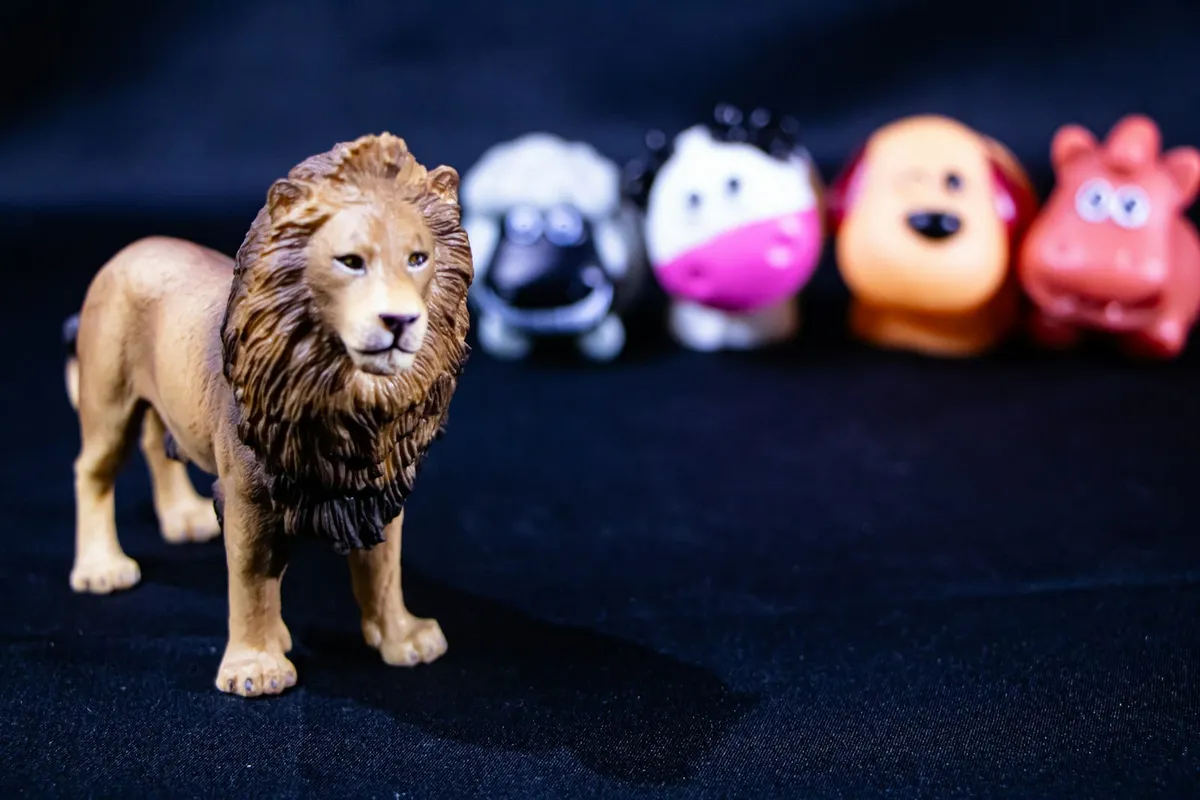
Gather toy animals and a handful of paper letters. Put one letter on the floor and ask your child to find a toy that starts with that sound. A cow goes with C, a duck with D. You may need to help with trickier matches.
3. Alphabet zoo walk
Tape paper letters to chairs, cushions or boxes around a room to make “enclosures.” Walk through the zoo with a toy animal, stopping to place it in the right pen. For younger toddlers, use only three or four letters at a time.
4. Playdough letters
Roll long snakes of playdough and shape them into a letter, then add a small playdough animal beside it. This is a good fine motor activity too. Use non-toxic playdough, supervise closely and keep it away from children who still mouth objects.
5. Sensory tray safari
Fill a tray with dry rice, oats or sand and hide a few large toy animals. Ask your child to dig out an animal and tell you the first sound. Large objects only, and watch carefully if your child tends to put things in their mouth. Check for allergies before using food items.
6. Animal alphabet song
Sing a simple tune with one animal per letter, for instance to a familiar melody: “A is for ant, B is for bear, C is for cat…” Add actions: tiny fingers for the ant, big arms for the bear. Songs are a quick way to review letters while moving.
7. Letter and animal matching
Draw or print several animals, and write their first letters on separate cards. Ask your child to match each animal to its letter. Start with two or three pairs and add more as they gain confidence.
8. Animal footprint letters
Use washable paint or a bit of chalk on a pavement to draw a large letter, then ask your child to walk or hop along it like an animal: frog hops for F, snake slithers for S. It turns the whole body into part of the lesson. Use a safe outdoor space and supervise.
9. Alphabet book hunt
Look through picture books together and find animals at the start of the story. Ask, “What sound does that animal’s name start with?” You can also look at labels in a shop or at home.
10. Sticker or paper-scrap letters
Give your child large letter stickers or paper scraps and let them stick one on a page next to a picture of an animal. Remove small stickers if your child still mouths them, and keep an eye on the process.
11. Alphabet puppets
Make simple paper bag or stick puppets of animals and put the starting letter on each. Let the puppets “talk” and say their sounds. Shy children often join in more readily when a puppet does the speaking.
12. Color and name
Give your child a large animal picture and a big letter to color. Talk as they work: “What color is the lion going to be? L for lion.” Short, quiet coloring is a gentle way to end a busy day.
Matching letters with animals
If you want a simple scheme, you can pair each letter with an animal that starts with it: A with ant, B with bear and so on. Choose animals your child already knows, or ones they love, because familiarity makes the link easier. For tricky letters such as X, it is fine to cheat, since there are few animals that start with X.
Children vary in what grabs them, so let them choose. A child fascinated by dinosaurs will remember D for dinosaur far better than D for dog.
Using coloring pages as a quiet option
After lively games, a quiet activity helps. Coloring pages with a big letter and a friendly animal give a child something to focus on, and they build the small hand muscles used later for writing. See our guide to fine motor activities for preschoolers for more ideas to strengthen those hands.
Alphabet Coloring Book A-Z: 26 Letters & Animals to Color is a 26-page printable PDF for ages 2 to 5. It pairs each letter from A to Z with an animal to color, using big bold letters and large, easy designs. Print one page at a time so your child is not overwhelmed, and let them pick which letter to do next.
For children who are ready to try tracing, our guide to free printable alphabet tracing pages offers a gentle next step. And if you are looking for ideas beyond letters, activities for toddlers and two-year-olds at home has plenty.
Safety and practical notes
- Supervise all play with small toys, playdough and sensory trays.
- Check toys for loose or small parts and keep anything that can be swallowed away from young toddlers.
- Choose non-toxic art supplies and wash hands after sensory play.
- Watch for allergies if using food items such as oats or rice.
- Stay flexible. If your child wants to line up the animals instead of naming letters, that is still valuable play.
A gentle weekly rhythm
If a plan helps, here is one that does not take long:
- Monday: introduce a new letter with the animal sound of the day.
- Tuesday: toy animal letter hunt.
- Wednesday: playdough letter and animal.
- Thursday: song and puppets.
- Friday: color the letter and animal page.
Repeat letters that your child likes, and skip ahead when they ask. The aim is a happy relationship with letters, not speed. Children learn at their own pace, and if you have questions about your child’s language or development, a pediatrician or early years professional can help.