Apples make an easy, low-cost theme for a preschool week: the same handful of apples can support counting, a simple science experiment, a taste test and a craft, without much shopping or prep. This guide lays out a set of apple activities for preschoolers grouped by the kind of learning each one supports, so you can pick a few rather than planning a whole week from scratch.
Counting and sorting
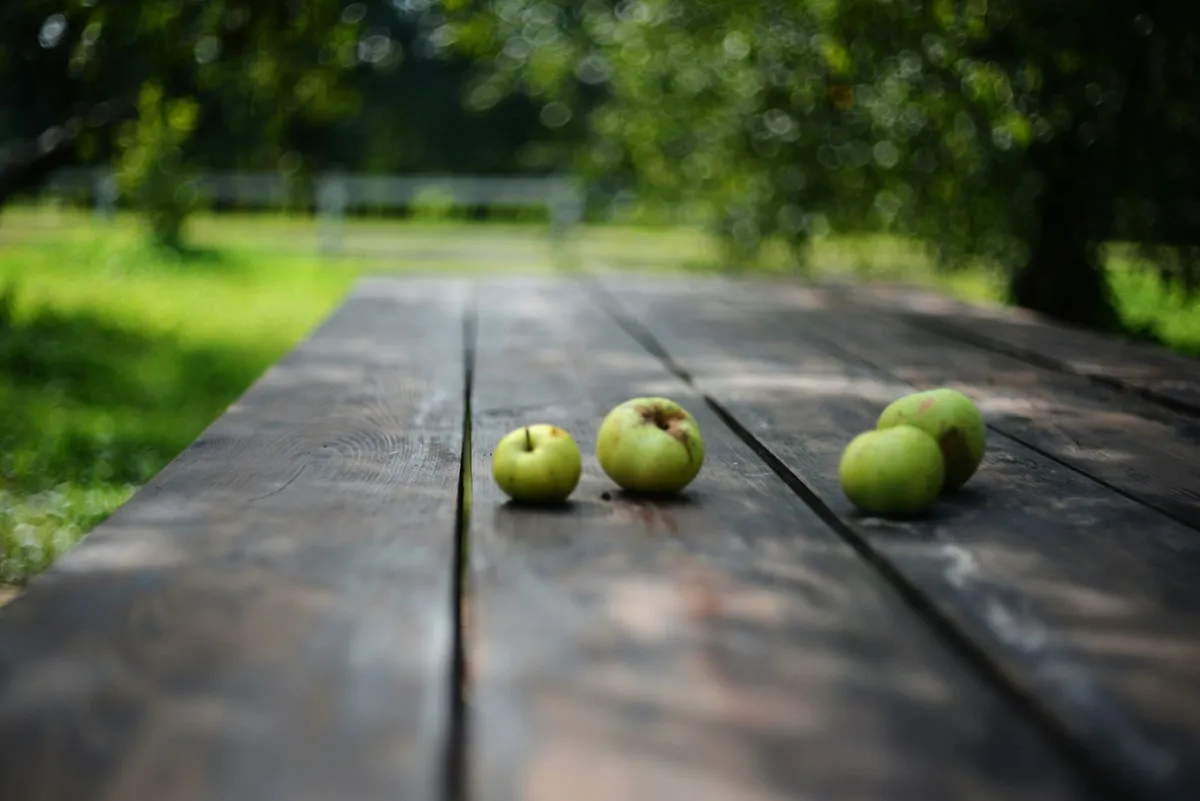
Apples come in enough colors, sizes and small variations to make early math genuinely visual.
- Count and line up. Gather five to ten apples and count them together, then line them up from smallest to largest.
- Sort by color. Mix red, green and yellow apples (or apple cutouts, if real ones aren’t handy) and sort them into groups.
- Seed count. With an adult cutting the apple, count the seeds found inside — a natural, low-pressure introduction to the idea that not every apple has the same number.
A sink-or-float science activity
This is a simple, repeatable experiment that introduces prediction and observation without any special equipment.
- Fill a clear bowl or bin with water.
- Ask your child to guess whether a whole apple will sink or float, and why.
- Gently place the apple in the water and observe together — most apples float, since they’re less dense than water and contain trapped air.
- Try a cut apple slice for comparison, and talk about what changed, if anything.
Keep the explanation simple and honest: a whole apple floats mostly because of the air inside it, and there’s no need to go further into the science than your child is curious about.
A supervised taste test
Comparing two or three apple varieties side by side (such as a red, a green and a yellow variety, if available) gives children a chance to describe taste and texture in their own words — sweet, sour, crunchy, soft.
- Cut each variety into small, manageable pieces.
- Ask simple questions: “Which one is your favorite? Why?” “Do they taste different, or just look different?”
- Graph or tally the family’s favorite with a simple show of hands, if you want to fold in a bit of counting.
Fine motor apple crafts
- Apple print painting. Cut an apple in half (adult does the cutting) and use the cut side, dipped in paint, to stamp shapes onto paper.
- Apple shape cutting. Draw or print large apple outlines and let your child practice cutting along the lines with child-safe scissors.
- Apple tree collage. Glue red or green pom-poms, torn paper or fingerprints onto a simple tree outline to make an “apple tree.”
For more low-prep ideas along these lines, see fine motor activities for preschoolers, most of which adapt easily to an apple theme with whatever materials you already have.
Gross motor and movement
- Apple roll. Roll an apple across the floor toward a target, like a basket or a line of tape.
- Apple relay. Carry an apple on a spoon across the room without dropping it — good for a sibling pair or a small group.
- Apple toss. Toss soft bean bags or balls (not real apples) into an apple-labeled basket from a short distance.
Books to pair with the theme
Reading an apple-themed picture book alongside these activities helps tie the week together. Your local library is a good source — ask a librarian for a current recommendation for your child’s age, since specific titles and availability change over time and are best checked directly rather than assumed.
A simple way to structure the week
You don’t need every activity above to make a complete theme. A reasonable spread across a week: one counting or sorting session, the sink-or-float experiment, one taste test, one craft, and a book read a few times. If you like planning loosely around themes in general, preschool weekly themes covers how to keep a theme flexible rather than turning it into a rigid schedule, and letters, numbers, colors and shapes: early learning activities for preschoolers has more ideas for folding academic skills into everyday play generally.
If you’d like a printable option to round out the week, the Preschool Skills Busy Book: 100 Printable Activities for School Readiness covers counting, matching, tracing and pattern pages that pair naturally with an apple theme — print a counting or tracing page alongside the hands-on activities above for a quieter moment in the day. As listed on its own product page, it combines a “100 printable activities” description with a stated page count of 10; both figures are shown here as published, without resolving the difference.
Keeping it low-pressure
The point of a theme week is to make planning easier, not to add pressure. If your child loses interest in apples after two days, it’s fine to drop the theme early or stretch it into the following week. Preschool learning routine at home has more on building a sustainable daily rhythm that a theme like this can slot into.
Bringing it together
A single bag of apples can carry a preschooler through counting, a real science observation, a taste test, a craft and a movement game — no special materials required. Keep sessions short, let your child’s interest guide how far you go each day, and treat any leftover apples as a snack rather than a wasted prop.