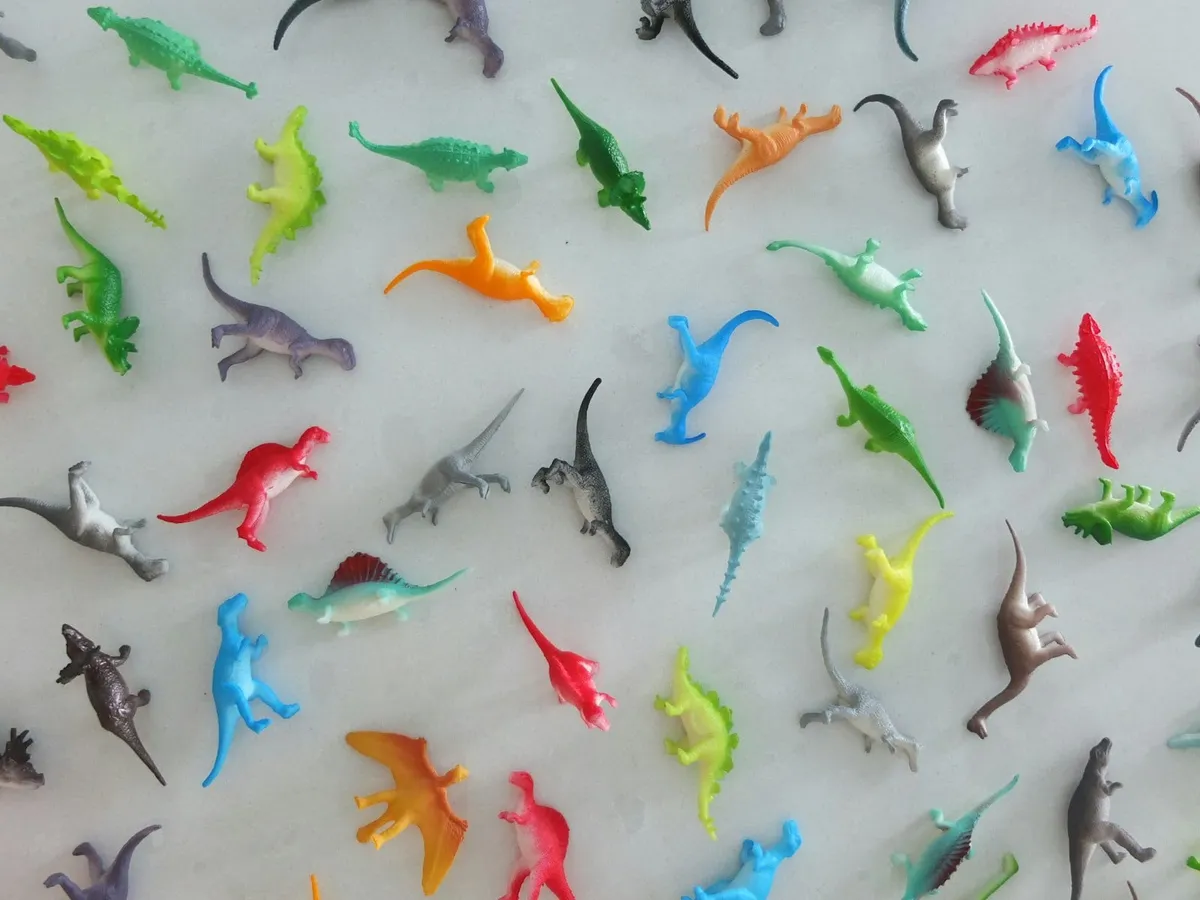
Few themes light up a toddler or preschooler like dinosaurs. They are big, loud in the imagination and wonderfully easy to build play around. A handful of toy dinosaurs, a tray and a free afternoon can turn into a week of stomping, digging, sorting and coloring.
This guide lays out dinosaur activities for toddlers and preschoolers as a five-day theme week for ages 2 to 5, with notes on how to adapt for younger or older children. If you want more theme ideas afterward, our guide to preschool weekly themes at home shows how to plan other topics the same way.
How to run a theme week without overplanning
A theme week does not need a schedule or a long shopping list. Here is a simple approach:
- Pick one anchor activity per day. Everything else is optional.
- Keep sessions short. Ten to twenty minutes is plenty for most toddlers, with a bit longer for older preschoolers.
- Rotate energy levels. Follow active play with quiet play so the day feels balanced.
- Reuse materials. The same toy dinosaurs can appear in a dig bin on Tuesday and a sorting game on Thursday.
- Let your child lead. If one idea becomes a favorite, repeat it. Our article on activities for toddlers and two-year-olds at home has more ideas for the youngest children.
Day 1: Stomp and roar
Start with big movement. This is the day to get the wiggles out.
- Dinosaur walks. Stomp like a T. rex, tiptoe like a small raptor, sway like a long-necked dinosaur and flap like a flying reptile. (Pterosaurs were not technically dinosaurs, but most children enjoy including them, and you can mention that scientists group them separately.)
- Dinosaur freeze dance. Play music, let everyone stomp and roar, then freeze when it stops.
- Egg hunt. Hide plastic eggs or balled-up socks around a room. Children collect them in a basket.
- Obstacle path. Lay cushions as “swamp stepping stones” to hop across.
Move furniture and sharp objects out of the way, and hop on soft surfaces rather than hard floors. Toddlers need adults close by during any jumping games.
Day 2: Dino dig sensory bin
A dig bin is a toddler favorite and can be adapted to what your child still puts in their mouth.
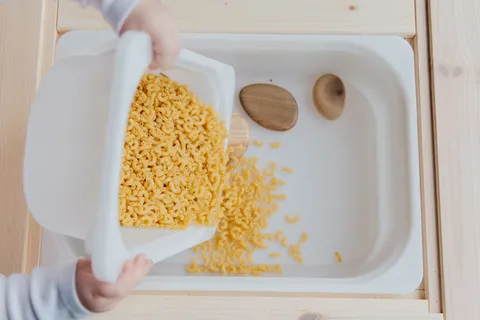
You need: a shallow tub or baking tray, a base material, a few toy dinosaurs and a scoop or spoon.
- For toddlers who mouth things: use dry oats, plain puffed cereal or large pasta shapes that are safe if tasted. Keep an adult beside the bin the whole time.
- For older preschoolers: use dry rice, sand or kinetic sand, plus small brushes for “excavating” dinosaurs.
Bury the dinosaurs and invite your child to dig them out. Ask “Which dinosaur did you find? Is it big or small?” Afterwards, wash the dinosaurs in a basin of soapy water for a second round of play. For more ways to set up safe bins, see our guide to sensory activities for toddlers at home.
Day 3: Color the dinosaurs
After two active days, a quiet creative day helps everyone settle.
- Coloring pages. Chunky crayons and large, simple outlines suit toddlers best. Preschoolers may enjoy adding backgrounds such as volcanoes, ferns or eggs.
- Footprints. Press a toy dinosaur into play dough to make tracks, or dab washable paint on a plastic dinosaur’s feet and “walk” it across paper.
- Paper plate dino. Paint a paper plate green, add a paper tail and some triangles for back plates, and let your child choose the face.
If you would like ready-made pages, the Dinosaur Coloring Book for Toddlers & Kids: 25 Bold & Easy Dinosaur Pages is a printable PDF for ages 2 to 6. It has 25 large, bold, easy-to-color pages, including a T-Rex, Triceratops, Pterodactyl, Diplodocus, Stegosaurus and Velociraptor, plus prehistoric scenes. It is priced at $4.99 and prints at home, so you can print a few pages at a time. For more on why coloring is worth the table time, see our article on dinosaur coloring pages for toddlers.
Day 4: Sort, match and count
This is where early math sneaks into dinosaur play.
- Big and small. Line up toy dinosaurs from smallest to largest. Ask “Which one is the biggest? Which is the smallest?”
- Sort by color. Provide colored paper plates or bowls and let your child sort dinosaurs onto matching colors.
- Count the eggs. Roll play dough “eggs” and count them into a nest made of paper strips.
- Fine motor pick-ups. Use large tweezers or kitchen tongs to move dinosaurs from one tray to another.
- Matching shadows. Trace a few toy dinosaurs on paper and ask your child to match each toy to its outline.
If your child enjoys worksheet-style play, a printable such as My First Learning Busy Book: Letters, Numbers, Colors & Shapes can sit alongside the theme. It is a 20-page printable PDF for ages 2 to 4 with tracing, coloring, counting and matching activities. It is not a dinosaur book, but it works well on days when you want a quiet table activity after dinosaur play, and it is available at a pay-what-you-want price starting at $3.99.
Day 5: Story, rest and a fossil party
End the week gently.
- Dinosaur story time. Pick a few picture books about dinosaurs from the library. Pause to ask what dinosaurs might eat or where they might sleep.
- Fossil dig. Make “fossils” by pressing toy dinosaurs or leaves into salt dough. Once baked and cool, children can paint them or brush them with a soft brush as pretend paleontologists. (Salt dough is not for eating.)
- Dinosaur picnic. Spread a blanket and serve simple snacks you know are safe for your child’s age.
- Naptime dinosaur. Tuck a toy dinosaur in a “nest” of blankets and let your child say good night.
Accurate dinosaur talk for little ones
Preschoolers love facts, and you can keep the language simple and honest:
- Dinosaurs lived a very long time ago, and no people lived with them.
- Some dinosaurs ate plants and some ate meat.
- Scientists learn about them from fossils.
- When you do not know something, say “Scientists think…” or “Let’s look it up together.” There is plenty that is still being discovered, and saying so models curiosity.
Avoid specific numbers unless you check a reliable source first, since details about size and color are often best-guess reconstructions.
Safety and supervision checklist
- Supervise all play with small toys, sensory bins and craft supplies.
- Use washable, non-toxic paints and crayons.
- Keep small dinosaurs, eggs and fillers away from children under three unless sized safely.
- Clear a safe space for stomping and jumping.
- Check for food allergies before using cereal, oats or pasta in sensory play.
- Wash hands after sensory play and before snacks.
Adapting for different ages
Ages 2 to 3: Keep activities short, concrete and hands-on. One or two dinosaurs, one scoop and a big tub are plenty. Focus on movement, naming and simple matching.
Ages 4 to 5: Add counting, sorting by two features (such as size and color), drawing dinosaurs from memory and “scientist” language like “I observe” and “I predict.” Older preschoolers may enjoy making a dinosaur fact book of their own drawings with a sentence you write for them.
Wrapping up
You do not need a themed kit or fancy props to enjoy dinosaurs with young children. Toy dinosaurs, paper, a tub and a bit of imagination are enough for a week of stomping, digging, coloring and counting. Keep it short, follow your child’s lead and enjoy the roars.