Few things hold a young child’s attention like dinosaurs. A T-Rex or a long-necked Diplodocus on a coloring page can turn a restless ten minutes into calm, focused play. But not every dinosaur page suits a two- or three-year-old: many are full of tiny details that frustrate small hands. This guide explains how to choose dinosaur coloring pages for toddlers, which tools work best, and how to turn a single page into several kinds of play.
What makes a dinosaur page toddler-friendly
When you look at a page, check these four things:
- Thick, bold outlines. Wide lines give toddlers a clear target and make scribbles still look like a dinosaur.
- One big dinosaur. A single large animal filling most of the page is easier than a busy scene.
- Big, simple shapes. A round body, a big head and chunky legs are better than lots of small scales or teeth.
- Little background. A sun or a single volcano is plenty; a whole jungle is too much for now.
For ages 5 and 6, you can start adding scenes with plants, eggs and a couple of dinosaurs together. Our guide to coloring pages by age explains how children’s coloring usually develops from scribbles to detail, although every child moves at their own pace.
Tools that work for small hands
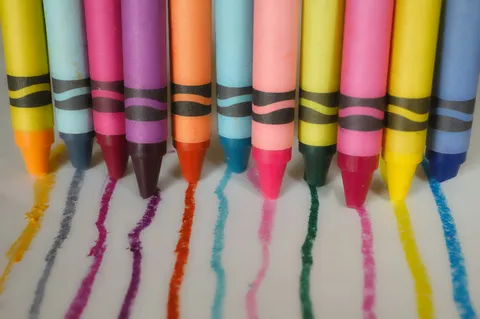
- Chunky or triangular crayons: Easier to grip and harder to snap.
- Washable markers: Bright colors with little pressure needed, which suits younger toddlers.
- Dot markers: Great for ages 2 to 3; children can “stamp” spots on a dinosaur.
- Crayon rocks or palm crayons: Encourage a different grip and are fun to hold.
Tape the page to the table with painter’s tape so it does not slide around. That one small step removes a lot of frustration.
Six ways to play beyond coloring
A dinosaur page does not have to be “just coloring.” These ideas stretch one page into longer, richer play.
1. Name the dinosaur
Tell your child the dinosaur’s name and say it together: “Tri-cer-a-tops.” Clap the syllables. Toddlers often love big words, and repeating them is fun language practice. Ask: “What color do you think a Triceratops was?” Nobody knows for sure, so any answer works, which is a nice thing to share with them.
2. Make the dinosaur sound
Before coloring, let your child decide what sound this dinosaur makes: a roar, a squeak, a rumble. Every time they add a new color, they make the sound. It adds giggles and keeps younger toddlers engaged.
3. Stomp like a dinosaur
Take a movement break halfway through: stomp like a T-Rex, stretch your neck tall like a Diplodocus, flap arms like a Pterodactyl. Then sit back down to finish. Short, active breaks help toddlers who find sitting still hard.
4. Sticker spots and plates
Give your child large round stickers to make spots, or triangle stickers for a Stegosaurus’s back plates. Peeling and placing stickers builds finger strength and control, which is part of what makes coloring useful, as explained in our article on the benefits of coloring for kids.
5. Color and count
Ask your child to count the dinosaur’s legs, spikes or plates, and color each one as they count. For older toddlers, ask for “three blue spikes” or “two green feet.”
6. Match the toy to the page
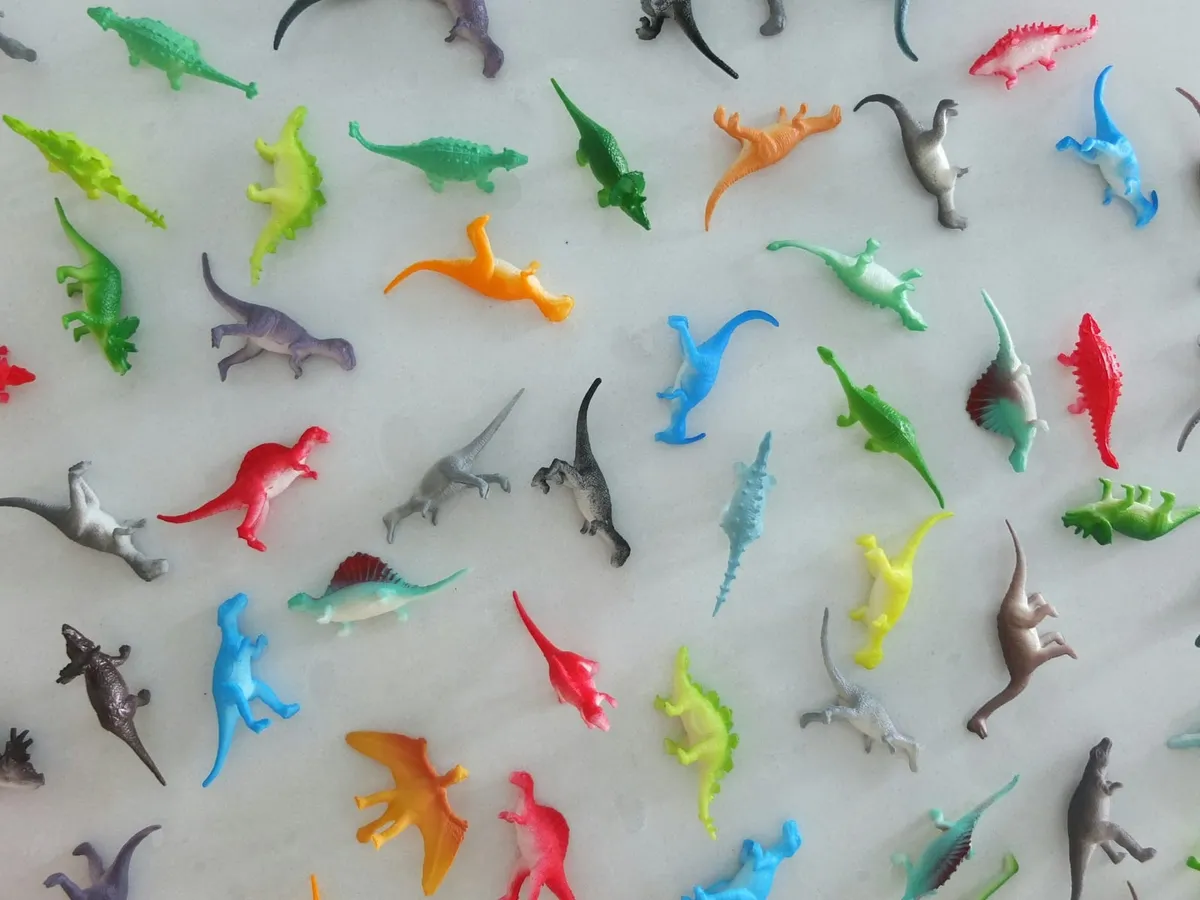
If you have toy dinosaurs, find the one that looks most like the page. Compare them: “Does your toy have a long neck too? How many horns?” Children can then color the page to match the toy, or give the toy a new color on paper.
Simple dinosaur facts to share while coloring
Coloring time is a relaxed moment to add a little knowledge. Keep facts short and let your child’s questions lead. A few easy ones that fit the most common dinosaur pages:
- T-Rex: Had a huge head, big teeth and very short arms. Ask your child to try doing a task with “T-Rex arms” tucked in close.
- Triceratops: Its name means “three-horned face.” Count the horns together before coloring them.
- Stegosaurus: Had tall plates along its back and spikes on its tail. The plates are perfect for coloring in a pattern, such as red, blue, red, blue.
- Diplodocus: Had a very long neck and tail and ate plants. Measure the neck on the page with a finger: how many fingers long is it?
- Pterodactyl: A flying reptile from the same time as the dinosaurs. It is often shown with dinosaurs, but scientists do not class it as a dinosaur, which older preschoolers usually find fascinating.
Nobody knows exactly what colors most dinosaurs were, so remind your child that their color choices are just as good a guess as anyone’s. That makes coloring feel creative rather than right or wrong.
For preschoolers who want more, make a tiny “dinosaur book”: staple three or four finished pages together, add a cover and write one fact under each picture as your child dictates it. Reading it back later is a lovely way to practice new words.
Keep it pressure-free
At ages 2 and 3, scribbling is exactly what children should be doing. It builds hand strength, control and the idea that marks on paper can mean something. Staying inside the lines usually comes later, and pushing for it too early can make coloring feel like a test.
A few phrases that help:
- Describe instead of judging: “You used lots of red on the tail!”
- Ask about the picture: “Tell me about your dinosaur.”
- Accept unusual colors: purple dinosaurs are perfectly fine.
- Stop when interest fades. Two minutes of happy coloring is better than ten minutes of struggle.
Matching pages to your child’s stage
Age 2: One large dinosaur, very thick lines, dot markers or chunky crayons. Expect scribbles across the whole page and short sessions.
Age 3: Still one main dinosaur, but children may start choosing different colors for different parts. Add stickers and counting.
Age 4: Children often begin trying to color within areas. Offer a dinosaur with a simple background, like an egg or a volcano.
Ages 5–6: Scenes with two or three dinosaurs, plants and rocks. Children may want to add their own drawings: a nest, a sun, a friend dinosaur.
If you notice your child getting frustrated, move back a step to a simpler page. That is not going backwards; it keeps coloring enjoyable.
A dinosaur book to print at home
If your child is dinosaur-mad, a whole book saves you hunting for pages one at a time. The Dinosaur Coloring Book for Toddlers & Kids is a printable PDF with 25 large, bold, easy-to-color pages for ages 2 to 6, including T-Rex, Triceratops, Pterodactyl, Diplodocus, Stegosaurus and Velociraptor, plus some prehistoric scenes for when your child is ready for more.
Because it is printable, you can print a favorite page again, or print the same dinosaur for siblings so nobody argues about who gets the T-Rex.
Making coloring part of your routine
Dinosaur coloring works well as a calm activity after lunch, before a nap, or while dinner is cooking. Keeping a small basket with crayons and a few printed pages within reach makes it easy for children to start by themselves. For more ideas on building a relaxed daily habit, see our coloring time routine at home.
Bringing it together
The best dinosaur coloring pages for toddlers are simple: one big dinosaur, thick lines and not much else. Pair them with chunky tools, add sounds, stomps and stickers, and let your child scribble freely. As their skills grow, move gradually to more detailed pages and scenes. Most of all, keep it playful, because a child who enjoys coloring will come back to it again and again.