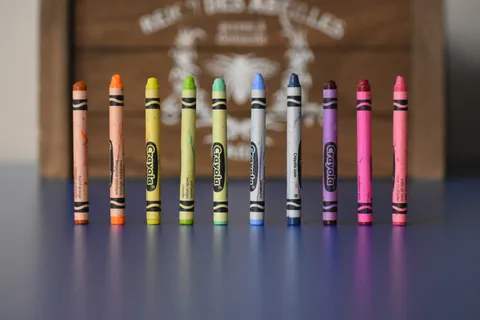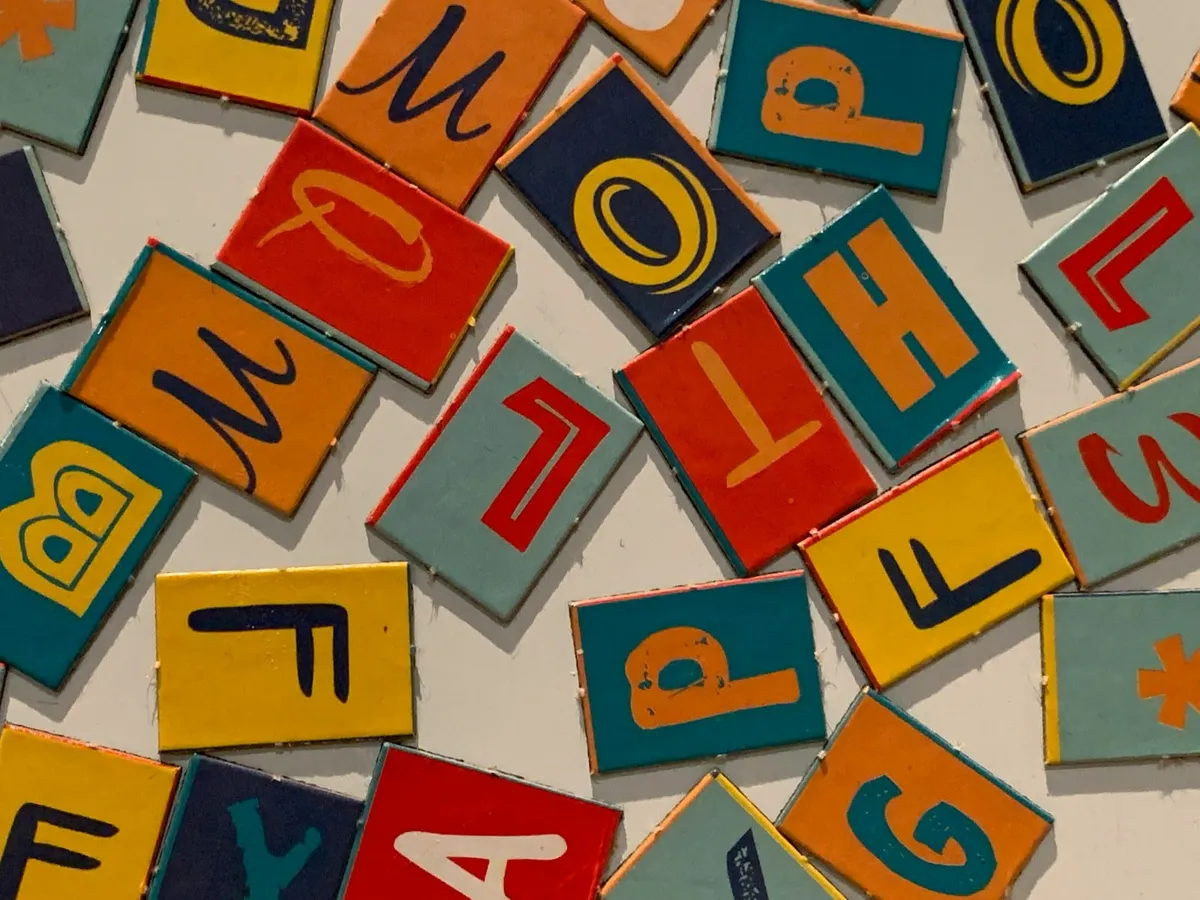
A page with a big, bold letter and a friendly picture is one of the simplest ways to introduce the alphabet. There are no flashcards to flip and no right answers to chase, only a crayon and a shape to explore. That is why ABC coloring pages for toddlers can be a good fit for children who are not ready for formal lessons.
This guide explains what to expect at ages 2, 3 and 4, how to run a relaxed five-minute coloring session and how to bring the letters off the page so they stick.
Why coloring works for early letters
When a child colors a letter, they spend a few minutes looking at its shape: the straight lines of an A, the round belly of a B. Coloring also exercises the hand muscles and grip needed for later writing. Many early childhood educators describe coloring as a gentle way to build fine motor control, though children develop at very different speeds. Our piece on coloring pages by age looks at what to expect at each stage in more detail.
A few reasons it suits toddlers:
- No pressure. There is no wrong way to fill in a letter.
- Short and flexible. A single page can take two minutes or twenty.
- Shared time. Sitting beside your child, naming the letter and chatting, matters as much as the coloring.
- Screen-free. It gives hands something to do without a device.
What to expect at each age
Age 2: scribbles and big marks. Most two-year-olds hold a crayon in a fist and make big sweeping lines. That is exactly right. Use chunky crayons and large pages, and expect the colors to wander far outside the letter. Your job is to say, “This is the letter B. B for ball,” and let your child scribble at will.
Age 3: more control, more curiosity. Many threes can make dots, circles and some purposeful lines, and start to recognize a few letters, often the ones in their own name. They may announce “That’s an M!” Celebrate it and keep things playful.
Age 4: shape awareness grows. Fours often stay inside larger shapes more often and may be ready to trace a letter with a finger or a fat crayon. This is a good time to pair coloring with simple tracing, as in our free printable alphabet tracing pages.
These ages are rough guides. If your child is not interested in letters yet, that is perfectly normal; try again in a few weeks.
A five-minute coloring routine
- Choose one page. Offer two options if you want your child to feel in charge.
- Say the letter name and its sound. “This is A. A, A, apple.”
- Color the letter first. It keeps attention on the shape, and the picture can be colored afterwards.
- Talk about the picture. “Which animal starts with this sound?”
- Stop when interest fades. Pinning the page to the fridge is a nice way to finish.
For ideas on making coloring a regular part of the day without it feeling like a chore, see our guide to a coloring time routine at home.
Bring the letter off the page
Letters stick better when children find them in daily life. After coloring a letter, try one of these quick games:
- Letter hunt. Look for that letter on cereal boxes, signs, books and toys.
- Sound hunt. Find three things in the room that start with the sound.
- Body letters. Make an “S” with your arm or an “I” with a straight body.
- Name letters. Start with the first letter of your child’s name; it often has the strongest pull.
- Sand or flour tray. With adult supervision, trace the letter with a finger in a shallow tray.
Keep these playful and brief. A quick “Look, there’s a B!” is better than a ten-minute quiz.
Choosing good ABC coloring pages
Whether you print pages or buy a book, check for:
- Big, bold letters. Thick outlines are easier to see and color.
- Simple pictures. Too many details can frustrate small hands.
- Letter-picture links that make sense. A clear “A for alligator” helps the sound connection.
- A friendly layout. Plenty of white space and no cluttered backgrounds.
If you would like a ready-made set, the Alphabet Coloring Book A-Z: 26 Letters & Animals to Color is a printable PDF for ages 2 to 5. It has 26 pages, one for each letter from A to Z, each pairing a big bold letter with an animal to color, and it costs $4.99. You can print only the pages you need, one at a time.
Pairing coloring with other early-learning play
Coloring is one piece of a varied day. A few easy additions:
- Read an alphabet book and point to the letter you colored.
- Sing an alphabet song while pointing to the letters.
- Use play dough to roll snakes and shape letters.
- Add tracing later, once your child is curious about how letters are made.
For more ideas by age, see our guide to when kids learn the alphabet.
Safety and practical tips
- Use non-toxic crayons or washable markers labeled for young children.
- Supervise toddlers; crayons and markers can end up in mouths.
- Tape the paper to the table so it does not slide.
- Keep sessions short, and offer a drink or a break if your child gets restless.
- Print on plain paper, and have a clipboard or tray handy for coloring on the floor.
Things to avoid
- Correcting the coloring. “Stay in the lines” can sap the fun.
- Quizzing. Asking “What letter is this?” again and again can feel like a test.
- Comparing. Children learn letters at different times, and early recognition does not predict later success.
- Rushing to writing. Strong hands and a love of letters come first.
A simple start for this week
Print or pick one letter page, sit with your child for five minutes and say the letter’s name and sound as you color. Then spot that letter in the kitchen. Repeat on a few days, and let the alphabet grow from there, one relaxed page at a time.