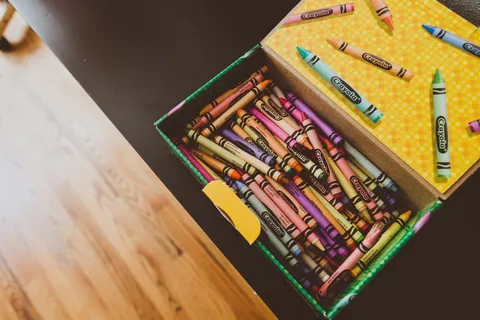
Coloring is one of the easiest activities to say yes to and one of the easiest to let slide, simply because it doesn’t feel urgent the way a scheduled activity does. A simple, repeatable routine — a predictable time, easy-to-reach supplies, and a rotating stock of pages — is usually the difference between coloring becoming a regular part of the week and it staying an occasional, forgotten option in a drawer.
Why a simple routine helps
Coloring doesn’t need much structure to work, but a little bit of predictability makes it far more likely to actually happen. A child who knows roughly when coloring time tends to come up — after lunch, before bed, during a sibling’s nap — is more likely to ask for it or settle into it without resistance. And a parent who knows where the supplies live, without having to hunt for crayons or print a page on the spot, is far more likely to offer it consistently. The routine doesn’t need to be elaborate; it just needs to be repeatable.
Setting up supplies that make coloring an easy yes
A few small setup choices remove most of the friction:
- Keep supplies in one accessible spot. A bin, basket, or folder that a child can reach (or ask for) without help keeps coloring from depending on an adult digging through a closet.
- Limit choices to a manageable amount. A handful of crayons or markers and a few pages at a time is usually plenty — an overflowing box can be more overwhelming than inviting.
- Print or set aside a small rotating stock. Keeping a few pages ready, rather than needing to find or print something new each time, removes the biggest barrier to spontaneous coloring time.
- Have a designated spot to color. A regular table or corner, even a small one, cuts down on setup and cleanup friction.
Picking a time that fits your family’s actual day
There’s no universally correct time for coloring, but a few common slots tend to work well: right after a meal, during a quieter stretch of the afternoon, as part of a wind-down before bed, or alongside a sibling’s nap or quiet time. The best choice is whatever slot already exists naturally in your day, rather than one that requires rearranging the whole schedule around it.
Rotating themes and difficulty to keep it interesting
Coloring time holds up better over weeks and months when the pages themselves have some variety. Mixing in a themed set occasionally — like Kitchen and Baking-Themed Coloring Pages for Kids — alongside simpler, more general pages gives a routine some built-in variety without much extra planning. Matching page complexity to your child’s current stage matters too; Coloring Pages by Age: What to Expect from Toddlers to Big Kids covers what to look for as a child’s control and interest develop.
Using coloring time for more than one purpose
A coloring routine doesn’t have to serve just one function. The same setup that works for a planned quiet-time slot can also double as a calm-down option when a child is getting overwhelmed — see Coloring as a Calm-Down and Quiet-Time Activity for Kids for how to set supplies up so they work for both. And for the broader case for why it’s worth building this kind of routine at all, The Benefits of Coloring for Kids: What It Actually Builds covers what regular coloring practice actually builds over time.
Keeping the routine realistic
The most common way a coloring routine fades out isn’t a lack of interest — it’s a setup that’s too much work to maintain. A few habits help it last: keep the supply list small and simple, don’t insist on a finished page every time, and let a missed day or week pass without trying to make it up. A coloring routine that survives an ordinary busy week is worth far more than an elaborate one that only works on paper.
For the complete picture of how this routine fits alongside coloring’s benefits, age-appropriate pages, and themed options, see Coloring Activities for Kids: A Complete Guide by Age and Benefit.
Frequently asked questions
How often should coloring time happen?
There’s no fixed schedule that works for every family. A short, regular slot — even ten minutes most days — tends to build more of a habit than an occasional long session, but the right frequency is whatever your family can actually keep up with.
Do I need a dedicated coloring station or supplies box?
It helps, but it doesn’t need to be elaborate. A simple bin or folder with a handful of crayons and a few pages, kept somewhere easy to reach, is usually enough to make coloring an easy, low-effort option rather than something that requires setup each time.
How do I keep coloring time from feeling repetitive?
Rotating between a few different themes or page types — some simple, some more detailed, occasionally a themed set — tends to keep interest up better than working through one large stack of identical pages in order.