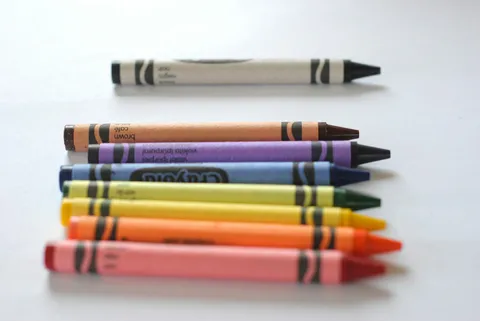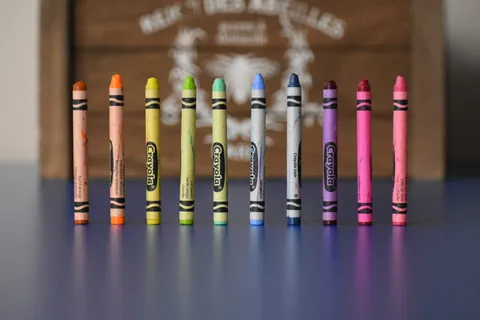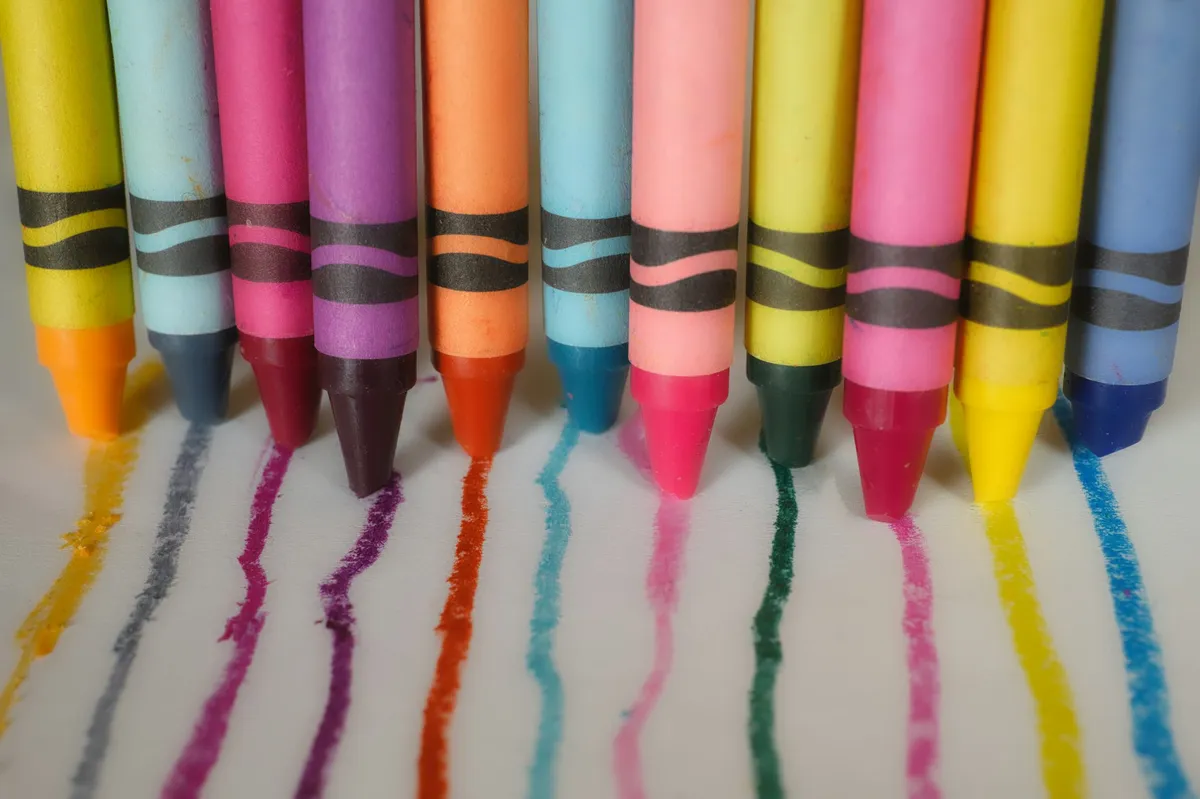
Coloring often gets treated as a way to buy fifteen quiet minutes, and it’s genuinely good at that. But underneath the quiet, a young child holding a crayon and filling in a shape is doing real developmental work — building the hand strength and control, the focus, and the color and shape sense that show up in plenty of other places later on. It’s worth understanding what’s actually happening, not just as a pleasant side effect, but as a real reason to make room for it regularly.
The fine motor case for coloring
Holding a crayon or marker and moving it with any control asks a young child’s hand to do a lot at once: gripping with the right amount of pressure, guiding the tip along a path, and adjusting as the hand tires or the shape curves. This is the same underlying hand strength and control — often called fine motor skill — that later supports handwriting, using scissors, and manipulating small objects. According to Scholastic’s overview of the benefits of coloring and drawing, coloring and drawing activities support hand-eye coordination and the fine motor control children need for tasks like handwriting, alongside creative and pre-literacy benefits. None of this requires a specific curriculum — it happens through the ordinary, repeated act of coloring itself.
Focus, patience, and finishing something
Coloring a page from start to finish asks a young child to stay with one task longer than many other activities do, especially once pages involve more than one or two shapes. That sustained attention is itself a skill worth building, separate from any hand-strength benefit. A child who colors regularly gets repeated, low-stakes practice at returning to a task after a pause, working through a section that feels a little tedious, and experiencing the satisfaction of a finished page — all useful patterns well beyond coloring itself.
Color and shape sense, almost for free
Choosing which color goes where, and staying roughly within a shape’s boundaries, quietly reinforces the same color and shape recognition skills that show up in other early learning activities. A child coloring a picture of a garden who reaches for green before yellow, or notices that a circle needs a different approach than a star, is practicing recognition and decision-making without it feeling like a lesson. This is part of why coloring pairs so naturally with other hands-on learning — the skills overlap even when the activity doesn’t look academic at all.
Creative confidence and self-expression
Coloring is also one of the earliest places a child gets to make a series of small, visible choices — this color, not that one; heavier pressure here, lighter there — and see the result immediately. Even within the constraints of a printed outline, that repeated experience of deciding and seeing the outcome builds a real, if modest, sense of creative ownership. For children who aren’t yet comfortable with open-ended drawing, a coloring page offers a lower-pressure way to practice the same basic creative decision-making.
Coloring alongside other hands-on activities
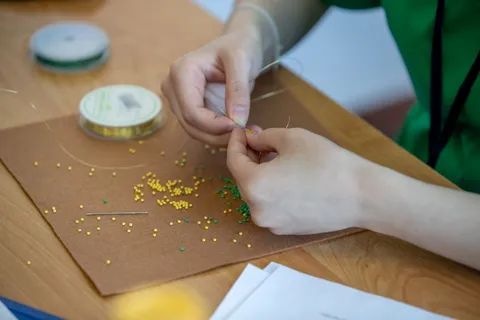
Coloring is one part of a broader category of fine motor practice, and it works well rotated alongside other hands-on activities rather than treated as a stand-alone requirement. Fine Motor Activities for Preschoolers: Simple Ideas Using Things You Already Have covers a range of other low-prep ways to build the same underlying hand strength and control — clothespins, tongs, threading, and more — that pair naturally with regular coloring time rather than replacing it.
Keeping coloring genuinely low-pressure
None of these benefits require correcting a child’s technique, insisting on staying inside the lines, or turning coloring into a graded activity. The developmental value comes from the repeated, relaxed practice itself — gripping, guiding, choosing, finishing — not from how polished any single page turns out. A child who scribbles happily outside the lines at three is building the same underlying skills as one who colors neatly at six; they’re simply at different points along a completely normal range.
For what “different points along that range” actually look like, see Coloring Pages by Age: What to Expect from Toddlers to Big Kids. And for the full picture of how these benefits connect to age-appropriate pages, themed coloring, and building a simple routine, see Coloring Activities for Kids: A Complete Guide by Age and Benefit.
Frequently asked questions
Is coloring actually educational, or is it just a quiet activity?
Both. Coloring genuinely builds fine motor control, pencil-grip strength, and focus, and it also happens to be calm and low-effort to supervise. Those two things aren’t in tension — the quiet, repetitive nature of coloring is part of why it works so well for building those skills.
What age should kids start coloring?
Most children start scribbling with a crayon well before age two, though purposeful coloring — staying roughly within a shape, choosing colors deliberately — tends to develop between ages three and five. There’s a wide normal range, and early scribbling is a genuine, valuable stage, not something to rush past.
Does it matter what kind of coloring pages a child uses?
Not strictly, but variety helps. Simple, larger shapes suit younger or newer colorers, while more detailed pages give an older child more of a fine motor and focus challenge as their skills grow. Rotating between a few styles tends to hold interest better than the same format every time.