Most parents want children who notice the good things around them and say thank you without being reminded. The trouble is that gratitude is hard to teach by explaining it. Children learn it more through little habits repeated over time: a jar that slowly fills, a note written to a grandparent, a question asked at dinner.
This guide gives you gratitude activities for kids, organized by age, plus tips on keeping the habit warm and the pressure low. Everything uses paper, pens and things you already own, and it fits easily into the weeks before Thanksgiving or any time of year.
Why small habits beat big speeches
When we tell a child “You should be more grateful,” the message often lands as criticism. Gratitude tends to take root when it feels like noticing something nice, not a duty. A few ideas to keep in mind:
- Noticing comes first. Before children can feel thankful, they need practice spotting what is good. Activities that ask “What was one good thing today?” train that noticing.
- Specific beats general. Naming the detail (“I loved when you saved me a seat”) builds a richer sense of appreciation.
- Adults go first. Children copy what they see. Share your own thanks out loud, including small ones.
- Gratitude is not the same as pretending to be happy. A child can be sad or cross and still name one good thing. Leave room for all feelings.
Activity 1: The gratitude jar
A gratitude jar is one of the simplest and most popular gratitude activities, and it works for almost any age.
You need: a clean jar or box, small slips of paper, a pencil or crayon and a place on the kitchen table or shelf.
- Decorate the jar together with stickers or drawings, if you like.
- Once a day, or a few times a week, each person writes or draws one thing they are thankful for and drops it in.
- Younger children can tell you their idea while you write it down.
- At the end of the week or month, or on a special day, open the jar and read the slips aloud.
A few tips: keep slips and pencils right next to the jar so it takes ten seconds. Aim for specifics (“the warm bread at lunch”) rather than repeating the same answer each day. If your child says “my toys” every day, gently ask “Which toy, and what do you like about it?” Make sure small slips and the jar lid stay away from children under three.
Activity 2: Thank-you notes and cards
A thank-you note links gratitude to a real person, which makes it more meaningful.
- Toddlers and preschoolers: draw a picture, add a scribble or handprint and let an adult write one sentence they dictate.
- Early readers and writers: write one or two sentences. Offer a starter: “Thank you for… I liked it because…”
- Older children: write a short card to a teacher, a bus driver, a neighbor or a relative.
Keep notes short so they feel doable. The aim is the habit of noticing someone’s kindness and saying so, not perfect handwriting or spelling.
Activity 3: Dinner-table questions
Mealtimes are a natural place for gratitude, since the family is already together. Try one question per meal, and take turns answering, adults included:
- What was the best part of your day?
- Who helped you today, and how?
- What is something that made you smile?
- What is one food on the table you’re glad to have?
- Who is someone you are thankful for, and why?
Keep the tone light, and let people pass. If a child gives a silly answer, laugh along and ask for another. Over time the questions become a small family ritual.
Activity 4: A gratitude walk
Take a short walk, around the block or in a park, with a specific goal: find things to be thankful for. Ask your child to point out three things that are beautiful, three that are useful and three that make them happy. A leaf, a mail carrier, a warm coat, a friendly dog. Back home, children can draw their favorite or add one to the jar.
For young children the walk can be as short as five minutes. Use sights and sounds, not just things you can pick up, and leave natural items where you found them unless it is clearly fine to take them.
Activity 5: Gratitude by age
Here is a quick guide to what tends to suit different stages. Children vary, so shift up or down as needed.
Toddlers (about 1 to 3): Model “thank you” and name good moments out loud. Point to pictures in a book and say “I like the red balloon.” Offer simple choices: “Are you thankful for the doggie or the ball today?”
Preschoolers (about 3 to 5): Draw a picture of a favorite person or thing. Use the jar with an adult writing. Play “I’m thankful for…” around the table. Read stories about sharing and waiting and talk about what the characters appreciate.
Early elementary (about 5 to 8): Write short sentences or lists. Create a gratitude tree, drawing a bare tree and adding a paper leaf for each thing they are thankful for. Write real thank-you notes. Keep a small gratitude notebook beside the bed.
Older children: Encourage reflection on people and effort (“Who helped make this meal possible?”). Let them choose how to say thanks, whether in a note, a call or a small helpful act.
Activity 6: Gratitude through stories
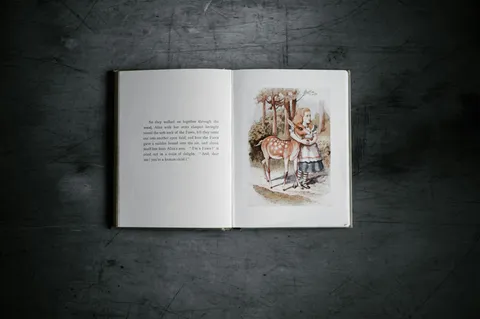
Stories give children a safe way to notice feelings and appreciation without being lectured. After reading a picture book, ask: “What was the character happy to have?” or “Who helped them?” Stories about patience, waiting and watching things grow fit well with gratitude, since children see how effort and time lead to something good. If you want a gentle story to start with, The Patience Garden: A Story About Waiting is a 12-page illustrated PDF about Milly, a young gardener who learns that good things take time. Our guide to teaching kids patience through stories and our tips for building a read-aloud routine at home show how to turn bedtime stories into conversation.
Printable gratitude pages
Sometimes a ready-made page is the easiest way to get started, especially if you want a gratitude activity that a child can do independently. The Thanksgiving & Fall Activity Book for Kids: Gratitude Pages, Puzzles & Coloring is a 25-page printable PDF for ages 4 to 8. It includes gratitude pages such as “What Am I Thankful For?”, “Grateful Words” and “My Gratitude Tree”, alongside coloring, mazes, counting and other fall activities. Print a few pages at a time, and use them as a springboard for conversation rather than something to finish quickly.
When gratitude feels forced
Sometimes children roll their eyes, give one-word answers or say “I don’t know.” That is normal. A few ways to respond:
- Lower the pressure. Say “That’s okay, you can think about it and tell me later.”
- Make it more concrete. Ask “What was your favorite part of lunch?” instead of “What are you thankful for?”
- Do not insist or compare. Avoid “Other children have less,” which can leave children feeling guilty rather than appreciative.
- Acknowledge hard feelings. If your child is upset, it is fine to name the feeling first. Our article on helping kids name and handle anger has ideas for those moments.
- Keep trying lightly. A habit that is warm and brief tends to last longer than a big, serious one.
A simple weekly plan
If you like a routine, try this light schedule and adapt it:
- Monday: add a slip to the gratitude jar.
- Wednesday: one dinner-table gratitude question.
- Friday: write or draw one thank-you note.
- Sunday: read the jar aloud and pick a favorite.
Even two of these a week is enough to make gratitude part of your family’s rhythm. The point is not a perfect system but a steady, friendly habit of noticing what is good and saying so.