Most advice about a child’s anger focuses on what to do in the moment — how to help a child calm down while the feeling is at its peak. That’s genuinely useful, but it’s only half the picture. The other half is what happens before and after: helping a child build the words and understanding to recognize anger, talk about it, and eventually see it coming, rather than only ever reacting to it once it’s already big. Stories and everyday conversation are especially good tools for that second half.
Why naming anger matters
A young child often feels anger as an overwhelming physical rush before they have any real words for it, which is part of why it can look like it comes out of nowhere. Giving a child simple, specific language — “that felt really frustrating,” “you’re angry that your turn ended” — helps them start to recognize the feeling as something with a name and a cause, rather than just a wave that happens to them. This naming work doesn’t stop anger from happening, but it’s often what makes the feeling more manageable over time, since a feeling that can be named is usually a feeling that can eventually be talked about instead of only acted out.
Everyday conversations about anger
A few simple habits make it easier to talk about anger as a normal part of family life, rather than only addressing it during a difficult moment:
- Name the feeling out loud, especially when it’s calm. Mentioning anger in an ordinary, low-stakes moment — “I felt pretty frustrated in traffic today” — models that anger is a normal feeling worth naming, not something to hide.
- Ask about the trigger once things have settled, not during the peak. “What happened right before you felt that angry?” tends to get a much more useful answer once a child isn’t still in the middle of the feeling.
- Avoid minimizing the feeling itself. “It’s okay to feel angry about that” validates the emotion even when the behavior that came with it still needs addressing separately.
- Talk about anger as information, not a problem. Framing anger as a signal that something felt unfair, hurtful, or frustrating — rather than as bad behavior on its own — helps a child see it as useful information about themselves.
How stories help kids understand anger
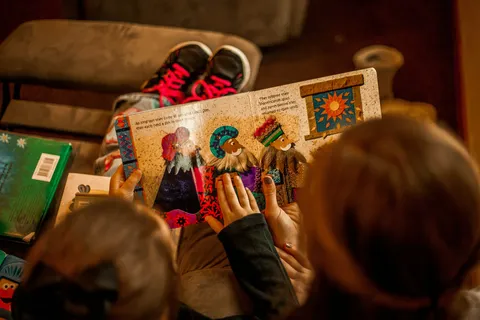
A story does something a direct conversation about anger often can’t: it lets a child watch a character go through the same feeling from a safe distance, without being the one who’s upset. Watching a character get angry, work through what caused it, and land somewhere better gives a child a concrete example and shared vocabulary to draw on later — “remember how the character in the story felt when that happened?” — which is often easier for a child to connect with than an abstract reminder to “use your words.”
Stories for understanding, not a replacement for calming down
It’s worth being clear about what this approach is and isn’t for. Talking through anger with a story works best once a child is calm enough to actually listen and engage — it’s not meant to help in the middle of a meltdown, when a different kind of support is needed first. Calm-Down Activities for Big Emotions covers breathing, sensory, and counting-based techniques built specifically for that in-the-moment need. The two approaches work well together rather than replacing each other: calm-down techniques help a child’s body settle first, and a story like the one below is a good tool for the conversation and understanding that can follow, once things are calm again.
Where “When I Feel Angry” fits
When I Feel Angry: A Story About Big Emotions is a short illustrated storybook for ages 4–8 that follows relatable characters through common anger triggers — a broken toy, a lost turn, a difficult morning — and models recognizing the feeling, calming the body, and using words instead of actions. It includes built-in conversation starters for parents and teachers, which makes it a practical way to turn a read-together story into exactly the kind of naming-and-talking conversation described above, without needing to script it yourself.
Bringing it together
Helping a child handle anger well is less about a single technique and more about two things working together over time: language and understanding built through stories and everyday conversation, and calming tools ready for the moment a feeling gets big. For the in-the-moment side of that pairing, see Calm-Down Activities for Big Emotions. For more on how a story can teach a specific idea, Teaching Kids Patience Through Stories covers the same approach applied to patience, and Children’s Stories at Home: A Complete Guide to Read-Aloud Time and Story-Based Learning ties this together with the rest of what makes story time valuable.
Frequently asked questions
Is it normal for young kids to get angry often?
Yes. Anger is a normal, common emotion at every age, and young children in particular often feel it intensely and have limited tools yet for managing or explaining it. Frequent anger on its own isn’t a sign something is wrong — it’s part of learning to recognize and handle a genuinely difficult feeling.
What age should I start talking with my child about anger?
Even very young children can start learning simple words for anger, like “mad” or “frustrated.” Talking more explicitly about why anger happens and what to do about it tends to land better from around preschool age and up, once a child can follow a short story and a simple back-and-forth conversation.
Should I be concerned if my child’s anger seems more intense than other kids their age?
Every child’s temperament is different, and some children do feel anger more intensely than others without it being a sign of a bigger problem. If your child’s anger seems to be causing ongoing distress, affecting relationships, or leading to a pattern that worries you, it’s worth talking with your child’s pediatrician or a child counselor, who can look at the full picture.