Reading aloud is easy to mean to do and easy to let slip, especially at the end of a long day. A simple, repeatable routine — a predictable time, an easy way to choose a book, and low expectations about how “perfect” any single session needs to be — tends to be the difference between read-aloud time becoming a genuine daily habit and it staying an occasional good intention.
Why a simple routine helps
A read-aloud routine doesn’t need much structure to work, but a little predictability makes it far more likely to actually happen most days. A child who knows roughly when story time comes up — after dinner, before bed, during a quiet afternoon stretch — is more likely to look forward to it and settle into it without much resistance. And a caregiver who has a simple system for picking a book, rather than searching a shelf each night, is far more likely to keep the routine going through busy weeks.
Picking a time that fits your family’s actual day
Bedtime is the most common slot, but it isn’t the only one that works. Right after a meal, during a sibling’s nap, or as part of a wind-down before a quieter activity can all work just as well. The best choice is whichever slot already exists naturally in your day, rather than one that requires rearranging the schedule specifically to fit it in.
Choosing what to read without overthinking it
A simple, ready system for choosing a book removes one of the biggest points of friction in a read-aloud routine:
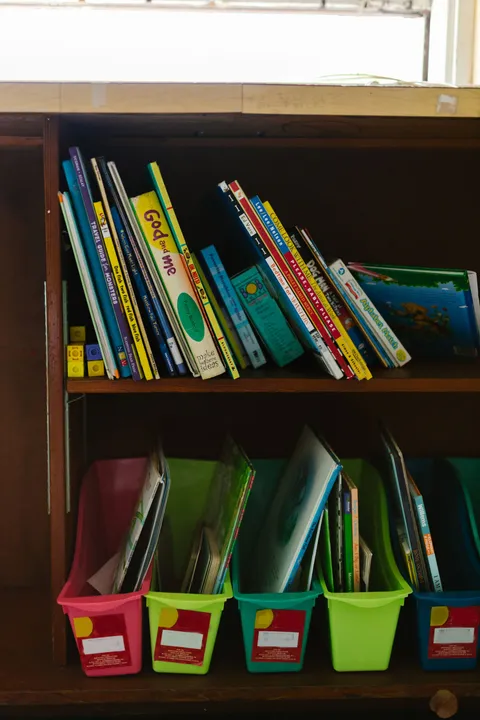
- Keep a small rotating stack within reach. A handful of books near the reading spot, refreshed occasionally, is easier to work with than a full shelf to search through each time.
- Let repetition happen. A book requested night after night doesn’t need to be swapped out for variety’s sake — repetition is doing real work, not wasting the routine.
- Match books to your child’s current stage. How to Choose Age-Appropriate Stories for Bedtime and Storytime covers what tends to work at each age, so the rotating stack stays a genuine match as your child grows.
- Mix in a themed story occasionally. A story built around a specific idea — like patience, or a transition your child is facing — adds variety and purpose beyond a general rotation.
Using story time for more than entertainment
A read-aloud routine can do more than fill a quiet moment. Stories built around a specific idea, like waiting or patience, give a child language and a framework for something they’re actually working through. Teaching Kids Patience Through Stories and A Short Story for Kids About Waiting for Something Good are both good additions to a rotation when that theme is relevant, without needing to replace the rest of your usual reading.
Keeping the conversation part of the routine
A brief conversation before or after a story — asking what a child thinks will happen next, or how a character felt — is a small addition that adds real value without extending the routine much. It doesn’t need to happen every time, but including it occasionally reinforces the language and emotional benefits that come from reading aloud in the first place. The Benefits of Reading Aloud to Kids covers why this shared attention and conversation matters as much as the story text itself.
Keeping the routine realistic
The most common way a read-aloud routine fades out isn’t a lack of interest — it’s a routine that’s too elaborate to sustain through an ordinary busy week. A few habits help it last: keep book selection simple, don’t insist on a full or “complete” reading every time, and let an occasional missed night pass without guilt. A read-aloud routine that survives real life is worth far more than a perfectly planned one that only works on paper. Children’s Stories at Home: A Complete Guide to Read-Aloud Time and Story-Based Learning covers the rest of what makes story time worthwhile, from the benefits of reading aloud to choosing stories by age.
Frequently asked questions
How long should a read-aloud session be?
There’s no fixed length that works for every family — a single short board book can be enough on a busy day, while a longer session works fine when there’s more time. Consistency matters more than duration.
What if some nights we skip reading altogether?
That’s normal and not something to worry about. A read-aloud routine that survives an occasional missed night, without guilt or trying to make it up, is more sustainable than one that requires perfect daily attendance.
Should the same person always read, or should it rotate between caregivers?
Either works. Some families find consistency easier with one regular reader, while others enjoy rotating so a child gets some variety in voice and style. What matters most is that the routine itself stays reasonably predictable.