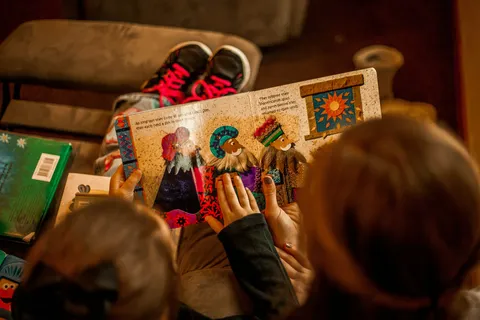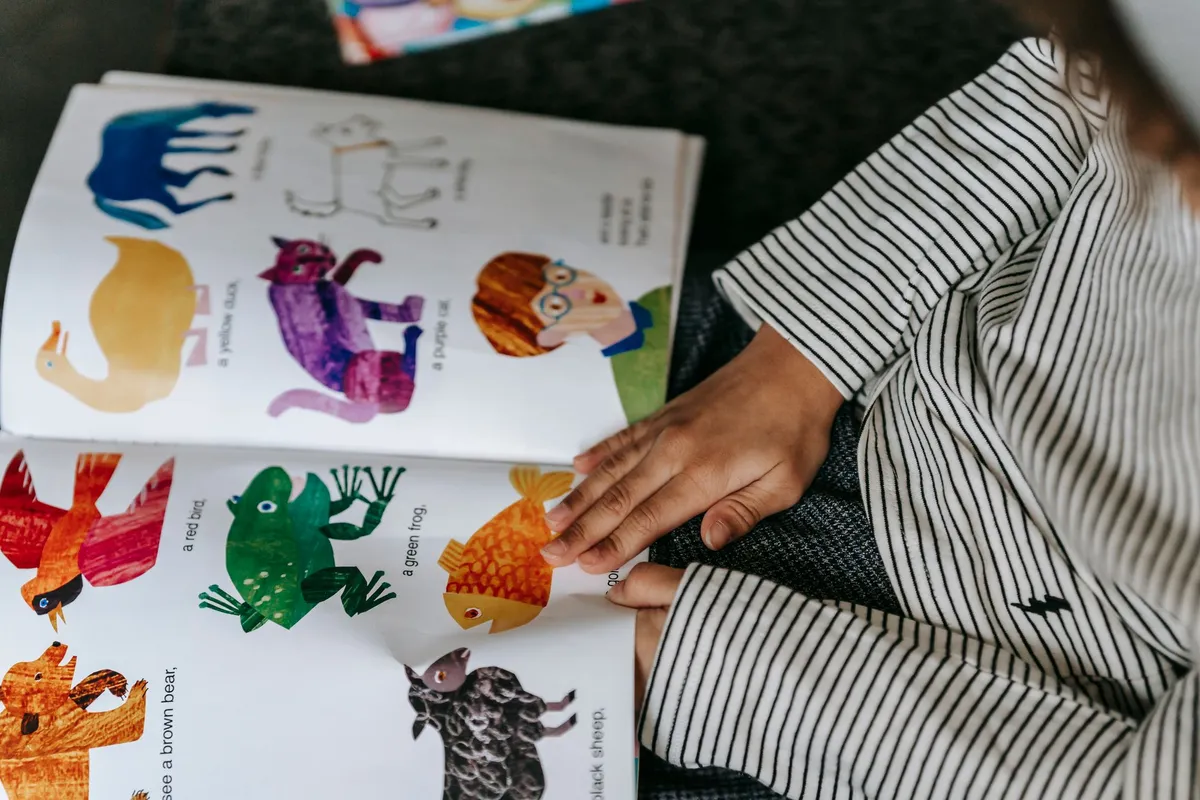
Reading aloud often gets filed under “nice bedtime habit,” which undersells what’s actually happening. A child listening to a story is absorbing new words, following a sequence of events, and — often without realizing it — practicing how to recognize and think about feelings, both their own and a character’s. It’s worth understanding what reading aloud actually builds, not just as a pleasant routine, but as a real reason to make regular room for it.
The language case for reading aloud
Books use a wider, more varied vocabulary than most everyday conversation, and hearing that language repeatedly — even before a child can read a single word themselves — builds vocabulary and an early sense of sentence structure. According to PBS KIDS for Parents’ overview of why reading aloud helps kids thrive, reading aloud exposes children to language and ideas beyond what they typically hear in daily conversation, and supports early literacy skills well before a child starts reading independently. None of this requires a special program — it happens through the simple, repeated act of reading together.
Attention, sequencing, and following a story
Listening to a story from beginning to end asks a young child to track a sequence of events, hold onto who a character is and what they wanted, and notice how one thing leads to another. That’s genuine cognitive work, distinct from the language benefit above — it’s the same underlying skill that later supports following instructions, understanding cause and effect, and eventually reading comprehension. Shorter, simpler stories build this skill just as effectively as longer ones; length matters less than the repeated practice of following something from start to finish.
Understanding feelings through a character
Stories give a child a low-stakes way to encounter feelings — fear, disappointment, jealousy, relief — from the outside, through a character, rather than only experiencing them directly. Talking about how a character feels, and why, gives a child language and a framework for recognizing similar feelings in themselves later. According to Reading Rockets’ guidance on reading with your child, reading together also builds the parent-child bond and gives children a sense of security, which supports this kind of emotional learning alongside the language benefits.
Shared attention and connection
Reading aloud is also one of the more reliable ways to get a young child’s full, calm attention on a shared activity, without a screen or a toy mediating the interaction. That shared attention — sitting close, following the same story, reacting together — builds connection in a way that’s easy to underestimate because it doesn’t look like “work.” It’s part of why reading aloud remains valuable well past the age a child can read independently; the shared experience doesn’t stop mattering just because the skill of reading has been learned.
Reading aloud alongside other kinds of learning
Reading aloud pairs naturally with other transitions and learning moments in a young child’s life. A story that mirrors a real situation a child is facing — starting something new, waiting for something, managing a big feeling — can give language and a script for that experience before or after it happens. Helping Your Child Adjust to the First Day of Preschool covers one specific example of this, using a story about starting school to help ease that particular transition.
Keeping reading aloud genuinely low-pressure
None of these benefits depend on finishing every book, sitting perfectly still, or choosing only “educational” stories. The value comes from the repeated, relaxed practice of sharing a story together — the words, the pauses, the conversation around it — not from any single session going a particular way. A child who wiggles through half a story or asks to stop partway through is still getting real value from the part they did hear. Children’s Stories at Home: A Complete Guide to Read-Aloud Time and Story-Based Learning brings this together with guidance on choosing stories by age and building a simple routine around them.
Frequently asked questions
Is reading aloud still valuable once a child can read on their own?
Yes. Reading aloud together continues to build vocabulary, shared conversation, and emotional connection well past the age a child starts reading independently, even if the format shifts from picture books to something with more text.
How young can I start reading aloud to my child?
There’s no real lower limit — many families start reading aloud in infancy, well before a baby can follow a plot. At that age the value is mostly in the sound of language and the shared, calm attention, not comprehension.
Does it matter if my child doesn’t sit still during story time?
Not much. Listening while playing, fidgeting, or moving around still counts, and insisting on stillness can make story time feel like a demand rather than something enjoyable. The value comes from the shared language and attention, not a particular posture.