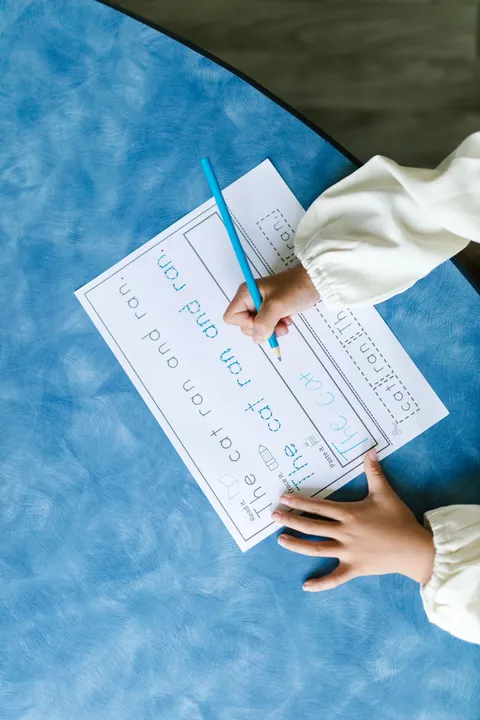
“Skill-practice workbook” covers a wide range of things, from a single-subject worksheet packet to a themed activity set that mixes several kinds of thinking in one sitting. If you’re trying to figure out which kind actually fits your child, or which skill is worth focusing on right now, it helps to look at this by two things at once: your child’s age, and the specific skill you’re trying to build.
At a glance: which kind of workbook builds what
| Focus | What it practices | Where to read more |
|---|---|---|
| Logic and problem-solving | Pattern recognition, sorting, sequencing and reasoning | Logic and Problem-Solving Activities for Kids |
| Time management | Schedules, sequencing the steps of a day and estimating how long things take | Teaching Kids Time Management |
| Geography and culture | Countries, landmarks and flags, plus memory and observation | Fun Ways to Teach Kids About the World |
| Seasonal multi-subject review | Reading, writing, math and logic mixed together | Fall Learning Activities for Kids |
| Puzzle formats | Mazes, hidden pictures and mixed brain games | Printable Puzzle Books for Kids |
What counts as a “skill-practice” workbook
A skill-practice workbook is built around a particular kind of thinking — logical reasoning, time management, geographic and cultural awareness, or a mix of academic subjects — rather than around a single school topic like spelling or multiplication tables. What separates a good one from a generic worksheet packet is variety within that focus: several different activity formats (a puzzle, a sequencing exercise, a short passage, a matching game) that all exercise the same underlying skill from different angles, rather than repeating one format across every page. That variety is what keeps a workbook from feeling repetitive and helps the skill generalize beyond the page itself.
How to choose one by age and skill
Two questions narrow this down quickly: how old is the child, and which skill do you actually want to build right now?
By age, roughly:
- Ages 6–7: Workbooks built for this range typically assume a child can follow a short written instruction independently, but still lean on pictures, matching, and simple sequencing rather than long blocks of text.
- Ages 8–10: Activities can involve more steps, longer reading passages, and multi-part problems that build on each other.
- Ages 11–12: Multi-subject review formats work well here, since children at this age are used to switching between subjects during a normal school day.
By skill, the four areas below are the most common starting points, and each has a genuinely different focus even though they can overlap in practice.
Logical thinking and problem-solving practice
Logic-focused workbooks build pattern recognition, sorting, sequencing, and reasoning skills through puzzles that have a specific, findable answer — a genuinely different mental exercise from open-ended creative activities. This is often the strongest starting point for a family that isn’t sure which skill to focus on first, since logical reasoning underlies a lot of the other skill areas here. Logic and Problem-Solving Activities for Kids: A Practical Guide covers everyday ways to practice this at home and what to look for in a dedicated workbook, including the Advanced Logic & Problem Solving: Skill Practice Workbook, a 15-page printable workbook for ages 6–7 built around exactly this kind of varied, rotating puzzle practice.
Time management and daily-routine practice
Time-management workbooks focus on a different, less commonly practiced skill: understanding schedules, sequencing daily steps, and estimating how long something takes. This is a particularly useful focus for a family working on morning or after-school routines, since the workbook practice reinforces the same underlying skills a visual schedule or timer builds at home. Teaching Kids Time Management: Simple Routines and Practice Activities walks through everyday routine-building alongside workbook practice, including My Time-Smart Day: A Time Management Workbook, a 15-page printable workbook for ages 6–7 covering time words, schedules, planning, and sequencing.
Geography and cultural learning practice
Geography and culture workbooks introduce a child to the wider world — countries, landmarks, flags — while building memory, observation, and pattern skills along the way. This focus works well once a child has some general reading and puzzle-solving comfort and is a natural pairing with books, cooking, or conversations about other places already happening at home. Fun Ways to Teach Kids About the World: Geography and Culture Activities covers simple ways to build this awareness day to day, including World Explorers: Countries and Cultures Activity Workbook, a 15-page printable workbook for ages 6–7 covering countries, cultures, landmarks, and geography.
Seasonal multi-subject review
Rather than focusing on one skill, multi-subject review workbooks mix reading, writing, math, and logic together in one sitting, which suits an older child who’s used to switching between subjects during a school day. A seasonal theme can make this kind of review feel timely rather than like a random worksheet packet. Fall Learning Activities for Kids: Multi-Subject Skills Practice covers this approach in more depth, including the Fall School Skills Challenge, a 15-page printable workbook for ages 11–12 that mixes reading comprehension, writing, math, logic, memory, and observation activities in one autumn-themed set.
Puzzle-format printables: mazes, hidden pictures, and brain games
Puzzle books are a related but distinct kind of printable — built around mazes, hidden pictures, and mixed brain games rather than a specific school subject. Printable Puzzle Books for Kids: Mazes, Hidden Pictures, and Brain Games covers how to choose between those formats.
How this fits alongside screen-free activities and printables already on the site
None of these workbooks are meant to replace open-ended, screen-free play — they’re a more structured complement to it. A family already using alphabet tracing pages for early literacy practice, or leaning on screen-free boredom busters to fill unstructured time, can add a skill-practice workbook the same way: as one more short, hands-on option in the rotation, not a replacement for everything else. For a practical structure that ties all of this together — how much time to spend, how to rotate between skills, and how to fit practice into a busy week — see How to Build a Simple At-Home Skill-Practice Routine for Kids.
Frequently asked questions
What age should a child start logic/skill workbooks?
Most skill-practice workbooks in this style are built for children around ages 6–7 and up, once they can follow a short written instruction on their own. Simpler, less structured versions of the same skills can start earlier through everyday activities, with a workbook added once a child is ready for guided, page-by-page practice.
Are printable workbooks better than apps for this kind of practice?
Neither is inherently better — they suit different situations. A printable workbook is screen-free, easy to do anywhere, and leaves a physical record of a child’s work, which some families and teachers prefer for this kind of focused skill practice. An app can offer built-in feedback or adapt difficulty automatically. The right choice depends on what a family is trying to avoid or prioritize, not a general rule.
How much practice time is reasonable per day?
Ten to fifteen minutes is a reasonable target for most children in this age range. Short, consistent sessions tend to build a skill more reliably than long, infrequent ones, and they’re easier to fit into a normal day without turning practice into a chore.