A single great workbook can spark a good afternoon, but it’s the routine around it — when practice happens, how long it lasts, how it rotates between skills — that decides whether skill-building sticks for more than a week. None of this requires a rigid schedule or a big time commitment. A simple, repeatable structure does more for a child’s actual progress than any one activity, no matter how well-designed.
Why a routine matters more than any single workbook
A workbook or activity is only as useful as the practice pattern around it. A single session, however good, teaches a skill briefly; a short routine repeated over weeks is what actually builds it. Kids also do better with predictability than with novelty for its own sake — knowing that practice happens at a certain point in the day, in a familiar format, removes a lot of the friction that turns “let’s do a workbook page” into a negotiation. The specific content matters less at this stage than simply making practice a normal, expected part of the week.
How much practice time is reasonable by age
Practice time should scale with attention span, not with how much a parent wishes could get done in one sitting.
- Ages 4–6: Five to ten minutes per session is plenty. At this age, finishing feeling successful matters more than covering a lot of ground.
- Ages 6–8: Ten to fifteen minutes usually fits well, often as one focused activity or a couple of workbook pages.
- Ages 9–12: Fifteen to twenty minutes can work, especially for a multi-subject or logic-based activity that holds attention naturally.
Rotating between skills so it stays fun
Practicing the same type of activity every single day tends to get stale, even for a child who genuinely likes it. Rotating between a few different skill areas — logic and problem-solving one day, time-management or planning practice another, a multi-subject review page on a third — keeps sessions feeling varied without adding any real complexity to the routine itself. It also mirrors how these skills actually get used together in daily life, rather than treating each one as an isolated subject. A family building this kind of rotation might move between a logic and problem-solving activity, a bit of time-management practice, a multi-subject review page, and something geography or culture-themed over the course of a week, without ever needing more than one short session a day. A puzzle-format page — a maze, a hidden pictures scene, or a mixed brain games page — is another easy option to rotate in when a change of pace helps.
Fitting practice into a busy week
The routines that survive a genuinely busy week are the ones anchored to something that already happens reliably, rather than floating and needing to be remembered separately.
- Anchor it to an existing habit. After breakfast, right after school, or right before a bedtime story are all natural, already-existing anchor points.
- Keep the materials visible and ready. A workbook or activity that has to be found first often doesn’t happen at all — keeping the current one somewhere visible removes that friction.
- Let one skipped day be fine. A routine that breaks completely after one missed day isn’t a durable routine. Picking back up the next available day matters more than a perfect streak.
- Use existing quiet moments. A car ride, a wait at an appointment, or a slow afternoon are all reasonable moments for a short session, without needing a dedicated “practice time” every day.
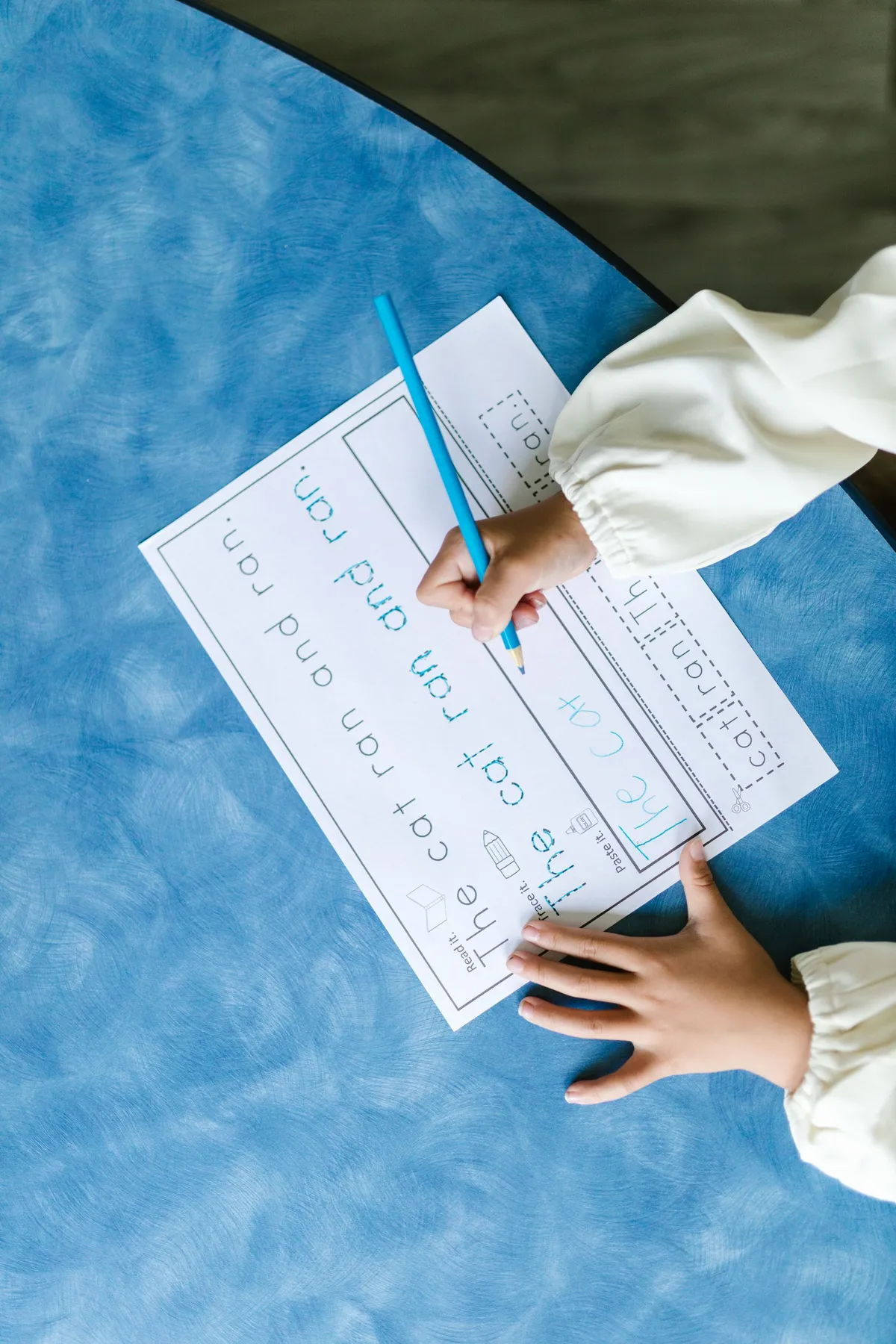
For younger children, this same anchor-and-repeat approach works well with simpler formats too — alphabet tracing or number tracing pages fit the same short, consistent pattern described here, just with different content. And on days when a workbook genuinely isn’t happening, a quick screen-free activity can keep the “short, regular, hands-on” habit going without it being a formal practice session at all.
When to switch to a new skill area
A skill area is usually worth rotating out, at least for a while, once a child finishes activities quickly with little effort, starts finding a previously engaging format boring, or has clearly moved past what the current material is asking of them. None of these signs mean the skill is “done” — they mean it’s a good time to shift focus to something else for a few weeks and circle back later. Treating skill practice as an ongoing rotation, rather than a single subject to finish and move past, tends to hold a child’s interest far longer than sticking with one area until it’s exhausted.
Frequently asked questions
How many minutes a day should a child practice a skill workbook?
Ten to fifteen minutes is usually enough for a single focused session, especially for younger children. What matters more than the exact number is consistency — a short session most days beats a long one done occasionally.
Should practice happen every day or a few times a week?
A few times a week, done reliably, works just as well as daily practice for most families, and it’s easier to sustain. The specific days matter less than picking a rhythm you can actually keep up.
What if my child loses interest in a workbook?
Rotating to a different skill area, shortening the session, or switching to a lower-pressure format for a few days usually helps more than pushing through. Losing interest is often a sign it’s time to rotate, not a sign to stop practicing altogether.