“Hurry up, we’re late” is a phrase most parents have said more times than they’d like, and it usually isn’t because a young child doesn’t care — it’s because time itself is still a genuinely abstract idea to them. Understanding that ten minutes is shorter than an hour, or that “after breakfast” comes before “before school,” takes real practice. The good news is that this is a skill, not a personality trait, and it responds well to the same kind of short, repeated practice that works for reading or counting.
Why time management is hard for young kids
Young children experience time differently than adults do. A five-minute wait can feel endless, while an hour of play can feel like five minutes — and until a child has enough lived experience with clocks, calendars, and daily sequences, there’s no internal reference point to correct for that. On top of this, time management asks a child to do several things at once: understand a sequence of steps, estimate how long each one takes, and remember what comes next without constant reminders. None of that is intuitive at first. It has to be built, one routine at a time.
Everyday ways to practice
None of these require a special program — they use time constraints that already exist in a normal day:
- Visual schedules. A simple picture or word chart showing the steps of a morning or bedtime routine, in order, gives a child something concrete to check against instead of relying on memory alone.
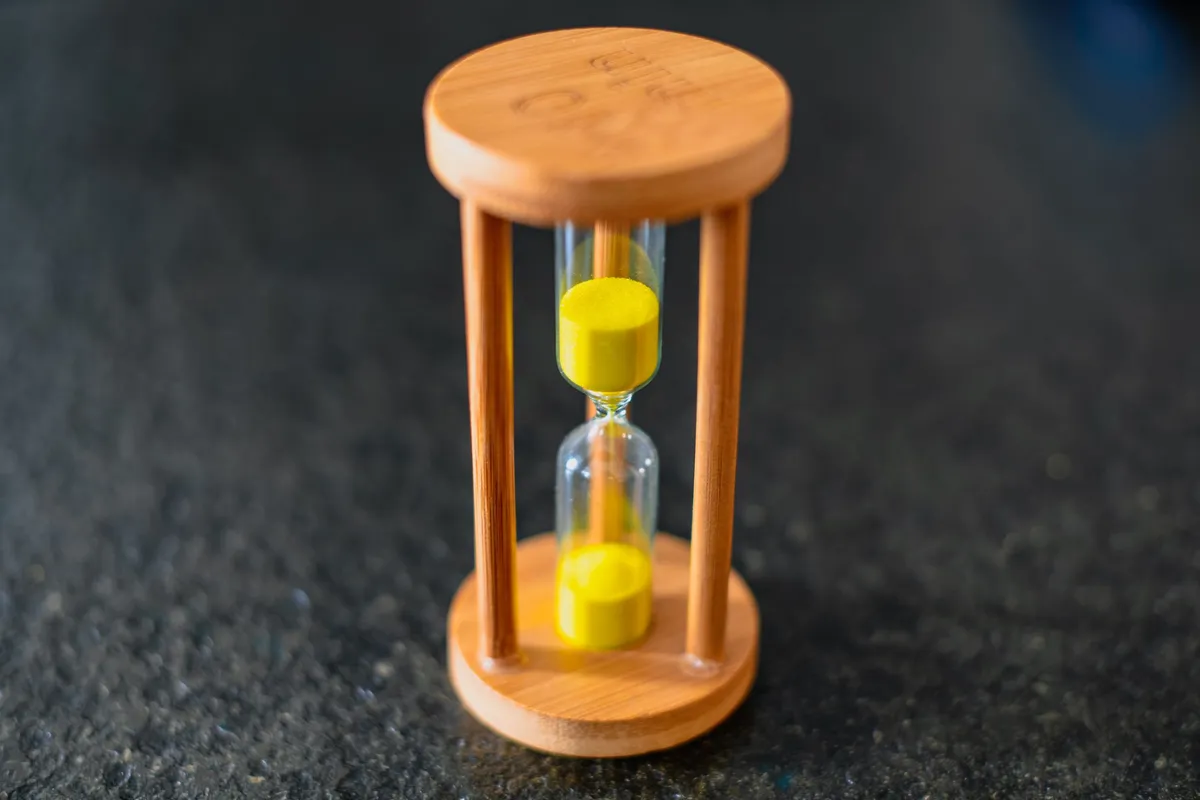
- Visible timers. A kitchen timer or a timer with a visible countdown helps a child connect a number to an actual felt sense of duration — “five minutes” starts to mean something after enough repetitions of watching it run out.
- “Beat the clock” transitions. Turning a routine step into a friendly race against a timer (getting shoes on before the timer buzzes) adds a bit of motivation without any pressure around being “late.”
- Choosing the next step. Letting a child point to the next item on a visual schedule, rather than being told, reinforces the sequence itself rather than just following instructions.
- A simple weekly calendar. Marking a few known events on a wall calendar — a weekend outing, a grandparent’s visit — gives a young child an early, low-stakes way to practice thinking a few days ahead.
What a good time-management workbook practices
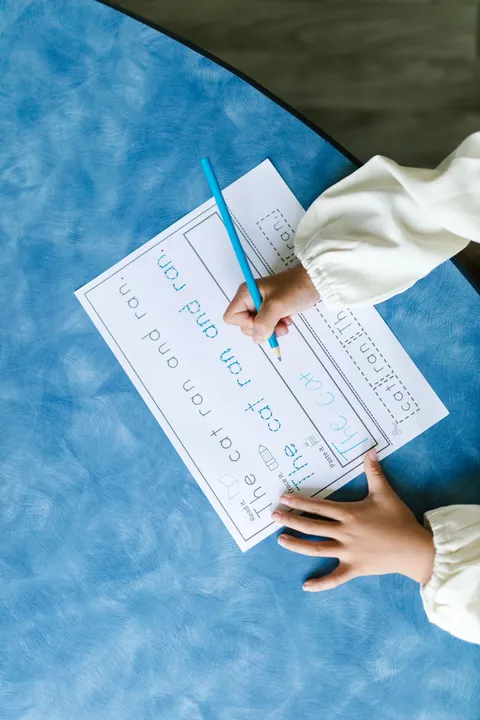
Once the everyday routines above feel familiar, a printable workbook can add more structured, varied practice with the underlying skills — reading a simple schedule, sequencing steps in order, and estimating how long something takes — in short sessions that don’t depend on the actual clock running.
A well-built time-management workbook for this age group typically includes:
- Time-related vocabulary (morning, afternoon, before, after, soon, later)
- Simple schedule-reading activities
- Sequencing exercises that put daily steps in the correct order
- Planning practice for a simple task or short routine
- Memory activities tied to remembering a sequence
- Activities connecting time skills to daily habits and responsibility
Where the My Time-Smart Day workbook fits: My Time-Smart Day: A Time Management Workbook is a 15-page printable workbook for ages 6–7 built around exactly this mix — time words, schedules, planning, sequencing, and memory activities alongside daily-habit practice. For a family who wants a ready-made way to reinforce the routines and vocabulary described above, rather than assembling separate printables for each skill, it’s a genuine match for this kind of structured, rotating practice.
A closer look: sequencing, planning, and daily habits
These three skills come up constantly in time-management practice because they’re really the same underlying ability applied in different contexts. Sequencing — putting steps in the right order — is what makes a morning routine work at all, whether it’s written on a chart or held in memory. Planning is the slightly more advanced version: looking ahead at a task and breaking it into steps before starting, rather than figuring it out as you go. Daily habits are where both skills get tested repeatedly in real conditions, which is exactly why routine practice, done consistently, tends to generalize better than a single lesson about “being on time.”
Building a simple morning or after-school routine together
A routine a child helped build tends to stick better than one handed to them fully formed. A few steps make this easier:
- Start with the actual sequence, not the ideal one. Watch (or ask about) what already happens most days, and turn that real sequence into the chart, rather than inventing an idealized version that doesn’t match reality.
- Keep it to four to six steps. A shorter routine is easier to remember and finish, and a step can always be added later.
- Use pictures for younger children, words for older ones. A child who isn’t reading fluently yet benefits from simple icons or drawings alongside — or instead of — text.
- Post it somewhere visible. A chart that lives in a drawer doesn’t get checked. Eye level, near where the routine happens, works best.
- Revisit it every few weeks. A routine that fit a five-year-old may need an extra step or two as a child grows more capable — treat the chart as something that evolves, not a one-time project.
For a broader look at how time-management practice fits alongside other skill-practice workbooks, see Skill-Practice Printable Workbooks for Kids, by Age and Skill. And since this whole topic is really about building a habit rather than a single skill, How to Build a Simple At-Home Skill-Practice Routine for Kids covers how to rotate this kind of practice with other skills over a normal week.
Frequently asked questions
What age can kids start understanding time?
Most children begin grasping basic time concepts — first, next, before, after — around ages 4 to 5, with a more concrete sense of clock time and daily sequence developing between ages 6 and 7. Visual and hands-on practice tends to work better than an abstract explanation at any age in this range.
How long should a daily routine be for a young child?
Shorter is usually better. A morning or after-school routine with four to six clear steps is easier for a young child to remember and follow than a long list, and it leaves room to add a step later once the shorter version feels automatic.
What’s the difference between a routine chart and a workbook?
A routine chart is a visual reference for a specific daily sequence — get dressed, eat breakfast, brush teeth — usually posted somewhere visible. A workbook goes further, giving a child guided practice with the underlying skills, like reading a schedule, sequencing steps, and estimating how long something takes.