Long before a child can find a country on a map, they can start noticing that the world is big, varied, and full of different ways of doing everyday things — eating, celebrating, greeting each other, telling stories. Building that awareness early doesn’t require a curriculum or a trip abroad. A few consistent, low-key habits at home go a long way, and they pair naturally with more structured practice once a child is ready for it.
Why early geography and culture exposure matters
Understanding that other places and other ways of living exist is a foundation for both academic geography later on and simple everyday empathy. A young child who’s used to hearing about different countries, foods, and traditions as a normal, interesting part of the world tends to approach differences with curiosity rather than confusion when they encounter them directly — at school, in a book, or through a new friend. None of this needs to be formal. The goal at this age is exposure and curiosity, not memorized facts.
Simple ways to explore the world at home
These use materials most families already have, or can find easily:
- Cook a dish from another country together. Choosing one simple recipe from a specific country and talking about where it comes from while you cook connects a country to something concrete and enjoyable.
- Read picture books set in other places. Stories set in a specific country or culture, especially ones written by authors from that culture, introduce far more nuance than a single fact ever could.
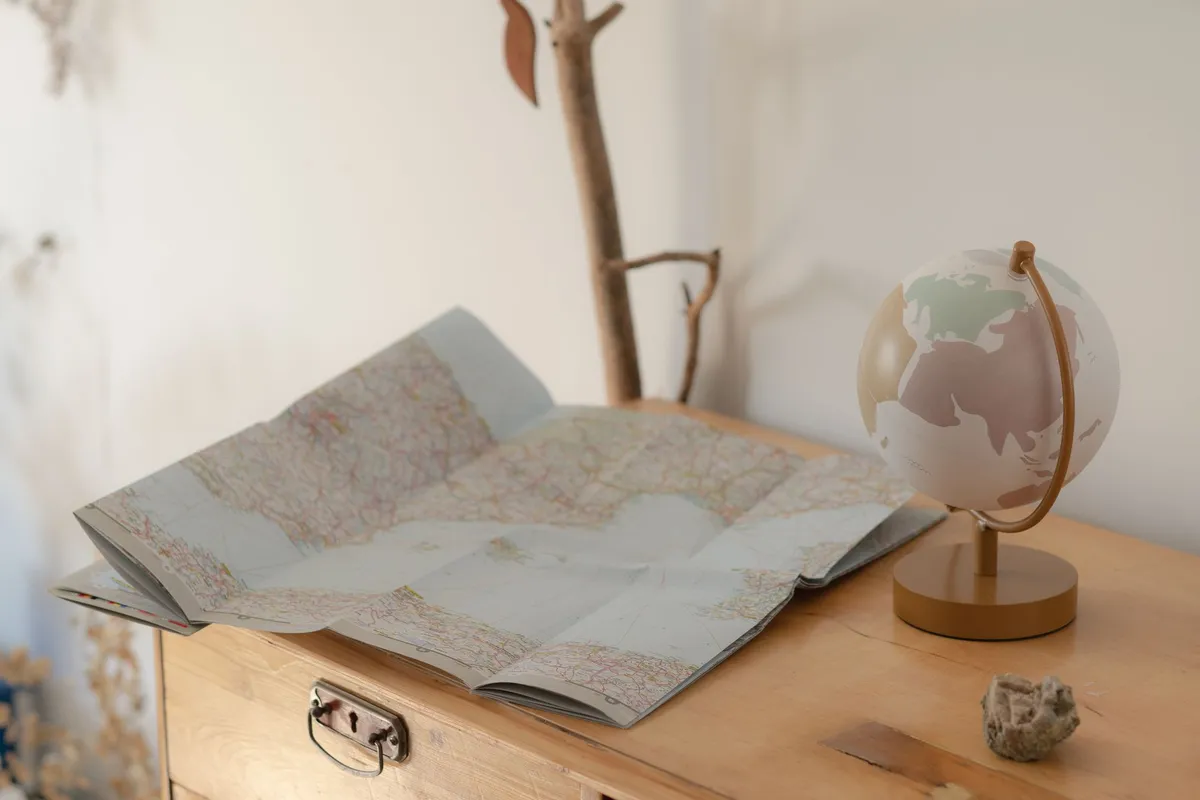
- Point to places on a map as they come up. When a book, movie, or conversation mentions a country, take thirty seconds to find it together on a map or globe — repetition, not a single lesson, is what builds familiarity.
- Learn a simple greeting or word from another language. Even one word, tied to a specific place, gives a child a small, memorable anchor for that country.
- Talk about a family’s own background. If your family has ties to a particular country or culture, sharing a tradition, food, or story from it is often a young child’s first and most meaningful entry point into thinking about culture at all.
What a good countries-and-cultures workbook includes
Once a child is comfortable with these everyday habits, a printable workbook can add more structured, varied practice — matching flags to countries, spotting landmarks, or working through a puzzle built around a specific place — without requiring a trip to the library each time.
A well-built countries-and-cultures workbook for this age group typically includes:
- Flag and landmark recognition activities
- Simple geography and map-reading practice
- Memory and observation challenges tied to different countries
- Logic or pattern puzzles with a world or travel theme
- Creative activities connected to a specific culture or place
- A final review activity that revisits what’s been covered
For a family who wants a ready-made version of this kind of structured practice, World Explorers: Countries and Cultures Activity Workbook is a 15-page printable workbook for ages 6–7 covering countries and cultures, landmarks and geography, memory and observation, and logic and pattern puzzles, alongside creative world-themed activities. It’s built around the same mix of skills described above, in one ready-to-use set.
A closer look: landmarks, flags, and respectful cultural learning
Landmarks and flags work well as an entry point because they’re visual, distinct, and easy for a young child to recognize and remember — the Eiffel Tower, the pyramids, a country’s flag colors all give a child something concrete to attach a place to. But recognition is only the starting point. Pairing a landmark or flag with a genuine detail about the people or culture connected to it — a tradition, a food, a story — is what turns memorization into actual understanding. This is also where respectful teaching matters most: presenting a culture through its own specific traditions and voices, rather than a single costume or stereotype standing in for an entire country, gives a child a more accurate picture from the start.
Pairing this with everyday activities (cooking, books, maps)
Structured practice sticks best when it’s reinforced by ordinary moments that already happen during the week. A workbook page about a country’s flag lands differently right after cooking a dish from that country, or reading a book set there. A map-pointing habit, kept up consistently, makes any future geography lesson easier because the underlying skill — finding a place, noticing where it sits relative to home — is already familiar. None of these pieces need to happen on the same day or in any particular order; the value comes from repetition across several different, low-effort formats over time.
If you’re weighing this against other kinds of skill-practice workbooks, Skill-Practice Printable Workbooks for Kids, by Age and Skill rounds up the main options by age and specific skill.
Frequently asked questions
What age should kids start learning about other countries?
Simple exposure — looking at pictures of different places, hearing about a food or holiday from another country — can start as early as preschool. More structured activities involving maps, flags, or landmarks tend to suit children from around age five or six, once they can follow a short activity on their own.
How do you teach culture respectfully to young kids?
Focus on real, specific details rather than broad generalizations, and frame differences as interesting rather than strange. Books, foods, and traditions from real families or real places work better than a single stereotype standing in for an entire country or group of people.
Do I need a globe or atlas to start?
No. A globe or atlas is a nice addition once a child is curious, but you can start with a picture book, a map printed from home, or simply talking about where a favorite food or story comes from.