Kindergarten is where a lot of “school skills” begin, and parents often want extra practice at home. Kindergarten math and reading worksheets can help, as long as they’re used as one tool among many. Here’s what they should cover, how to choose them and how to reinforce every page with hands-on play.
Math skills to practice
Kindergarten math usually focuses on understanding what numbers mean, not just naming them.
- Counting forward to 20 (and often beyond), and counting objects one by one.
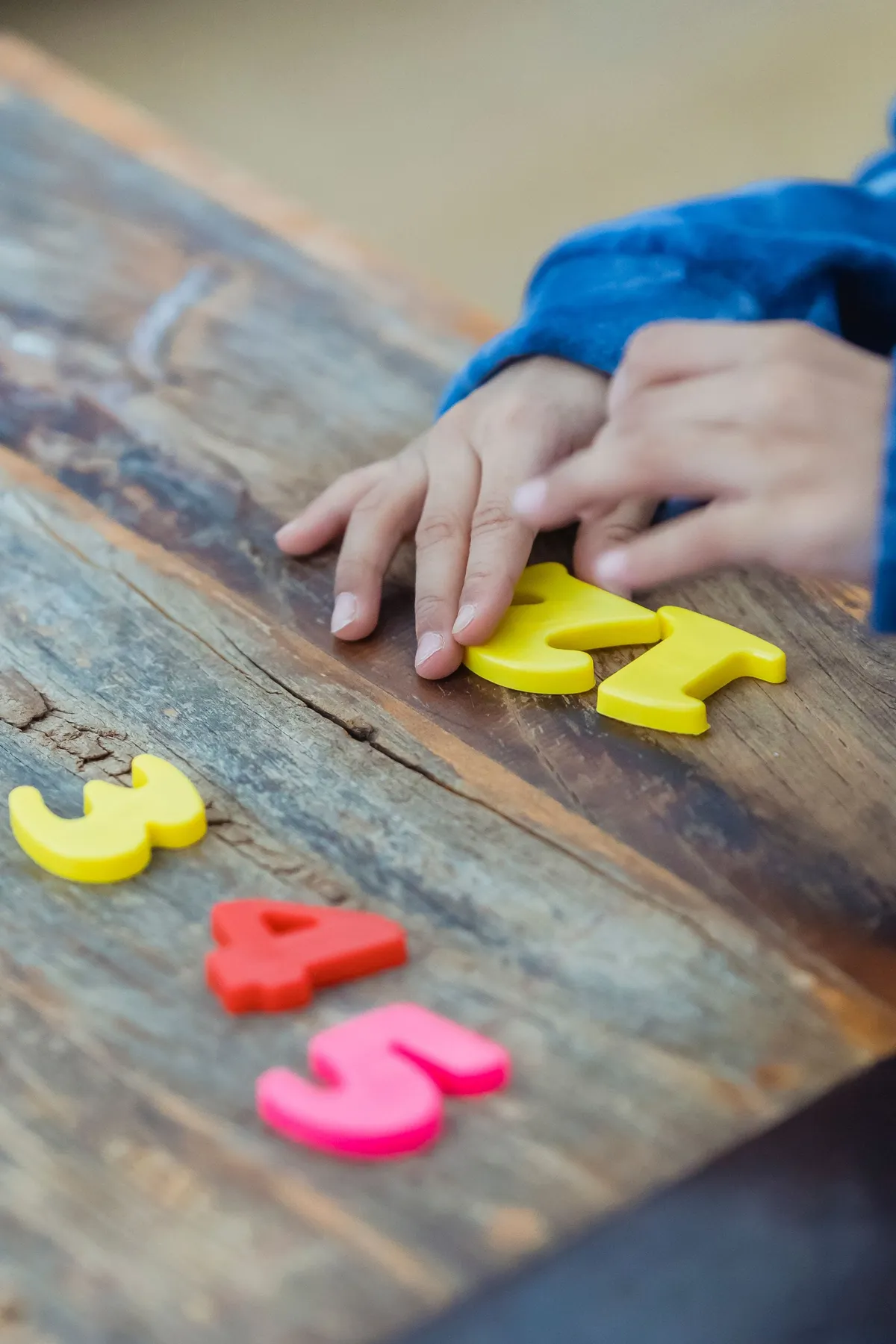
- Number recognition and writing from 0 to 10, then 20.
- Comparing: more, less, equal, bigger, smaller.
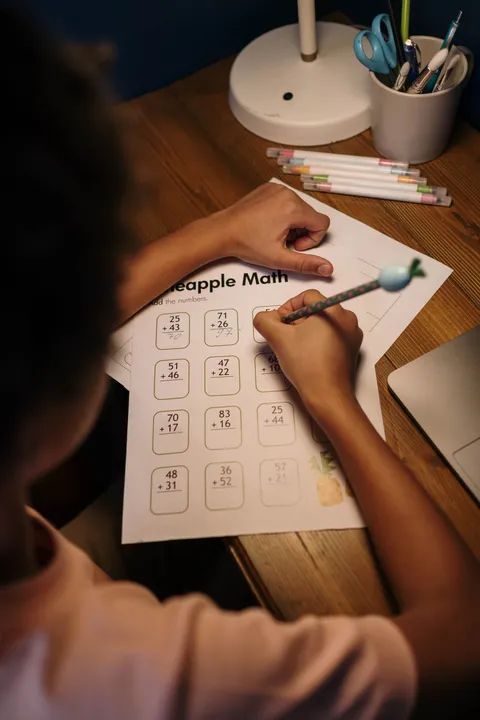
- Addition and subtraction with objects and pictures, usually within 10.
- Shapes: circle, square, triangle, rectangle and sometimes more, plus describing them.
- Patterns: AB and ABC patterns.
- Measurement basics: longer, shorter, heavier, lighter.
Worksheet types that help
- Count and circle the right number.
- Trace and write numbers.
- Match numerals to sets of objects.
- Complete a pattern.
- Add or subtract using pictures.
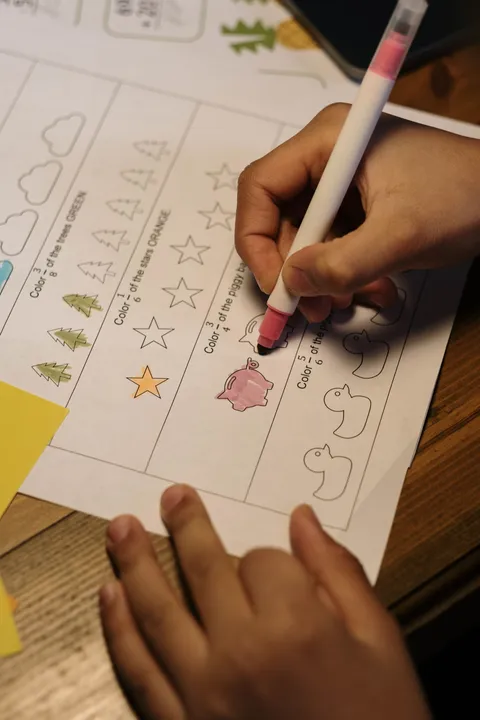
- Color shapes according to a key.
Reading skills to practice
Early reading is a set of building blocks.
- Letter names and sounds, uppercase and lowercase.
- Rhyming: hearing that cat and hat sound alike.
- Beginning and ending sounds in words.
- Blending sounds to read simple words such as sit or mop.
- Sight words: a small set of common words like the, and, is.
- Concepts of print: reading left to right, and knowing where sentences start and end.
Worksheet types that help
- Match pictures to beginning letters.
- Circle words that rhyme.
- Trace and write letters.
- Fill in missing letters in simple words.
- Match a word to a picture.
Our guide to how to teach sight words to kindergarteners explains a practice routine.
How to choose good worksheets
- Clear layout, with one task per section.
- Realistic length: one page should take five to ten minutes.
- Age-appropriate images and simple instructions.
- Progression: pages that move from easier to harder.
- Variety: avoid pages of endless repetition.
How to run a practice session
- Pick one math and one reading page, or just one.
- Warm up with movement, such as jumping and counting.
- Explain the task in one sentence and do the first item together.
- Let your child work, and offer help only if they ask.
- Check together and praise effort.
- Finish with a game related to the page.
Hands-on reinforcement
Every worksheet skill has a real-world twin:
| Skill | Real-life practice |
|---|---|
| Counting | Count stairs, snacks, toys |
| Number writing | Write numbers in sand or shaving cream |
| Addition | Add toy cars, then “take away” some |
| Shapes | Shape hunt around the house |
| Letter sounds | Find things that start with a letter |
| Rhyming | Make up silly rhymes in the car |
| Reading | Read signs, labels and cereal boxes |
Signs to slow down
If your child is frustrated, tearful or avoiding worksheets, pause and switch to games. Learning should stay enjoyable. If you’re worried about progress, talk with your child’s teacher, who can offer specific guidance.
Adding logic and thinking practice
Worksheets aren’t only about letters and numbers. Puzzles that ask children to reason, notice patterns and solve problems support both math and reading. Advanced Logic & Problem Solving: Skill Practice Workbook is a 15-page printable for ages 6 to 7 with pattern recognition, mazes, memory, observation, sorting and sequence activities, which can stretch a strong kindergartener or work for a first grader.
For broad school-readiness practice across letters, numbers, colors, shapes, counting, tracing, matching and patterns, Preschool Skills Busy Book: 100 Printable Activities for School Readiness can help you fill gaps.
For more on the whole kindergarten year at home, see our guide to kindergarten at home: getting ready and building early skills.