Kindergarten is a genuinely different environment from preschool, even for a child who’s already spent a year or two in early childhood care. This guide brings together what actually changes, how to know where your child stands, how to ease the first-day transition, and how to build a few early skills at home without turning it into a formal school program before school has even started.
How kindergarten prep is different from preschool prep
Preschool is largely play-based, with a lot of flexibility in how a day unfolds and a good deal of one-on-one or small-group attention. Kindergarten typically asks more of a child all at once: a longer, more structured school day, more whole-group instruction where a child needs to sit and listen alongside twenty or so classmates, and a clearer expectation of following multi-step directions without much individual guidance. None of this means a child needs to arrive already reading or doing math — kindergarten classrooms are built to teach those specific skills from the first weeks. What tends to matter most going in is the everyday and group-participation side: sitting through a whole-group activity, following along with a routine set by someone else, and managing basic self-care independently in a bigger, busier room than a preschool classroom usually is.
Checking where your child actually stands
Rather than guessing, it helps to look at this in the same broad categories that apply to any school transition: developmental and academic skills, and social, emotional, and everyday skills. Is My Child Ready for Preschool or Kindergarten? A Practical Readiness Checklist walks through both in detail — fine motor control, letter and number recognition, following directions, separating from a caregiver, and basic self-care — as a way to notice where a bit of extra practice might help, not as a pass/fail test. The same checklist applies whether a child is heading into preschool or kindergarten; what changes is mostly the degree of independence expected once they’re there.
Preparing for the first day
The first day of kindergarten shares a lot with the first day of preschool — a new room, a new adult in charge, and, for many children, a real stretch of time away from a parent — but it often comes with a bigger, busier school building, a full-day schedule, and less individual attention in the first hour than a smaller preschool classroom might offer. The same core preparation still applies: talking through what the day will look like in order, visiting the school or classroom beforehand if possible, practicing the morning routine a few times, and keeping a calm, matter-of-fact tone about the day even if a parent feels nervous too. Helping Your Child Adjust to the First Day of Preschool covers this preparation in full, and nearly all of it carries over directly to a kindergarten first day, even though it was written with preschool in mind. For what’s specifically different about a kindergarten first day — the bigger building, the longer schedule, and a rundown of the conversations worth having beforehand — see Helping Your Child Adjust to the First Day of Kindergarten.
A story can help open the conversation here too. My First Day of School: A Story About New Beginnings follows a character through getting ready at home, meeting a teacher and new classmates, and taking part in classroom activities — framing a first day as a new beginning worth feeling excited about, which works as well for a child starting kindergarten as one starting preschool.
Building early skills without turning it into schoolwork
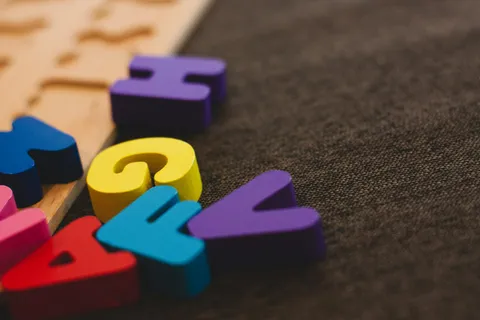
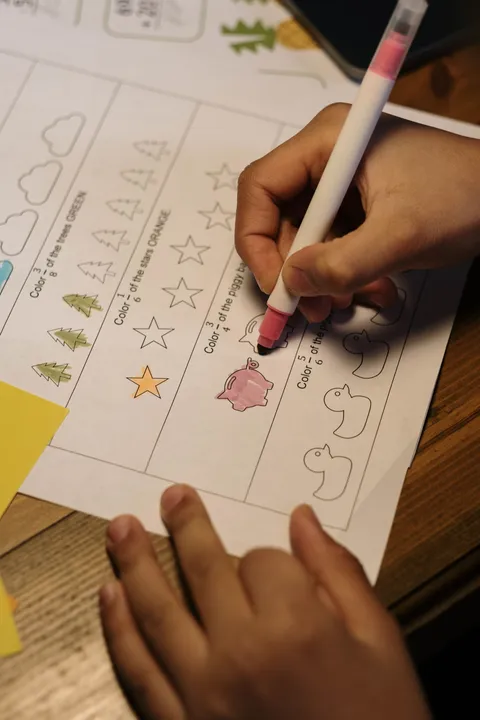
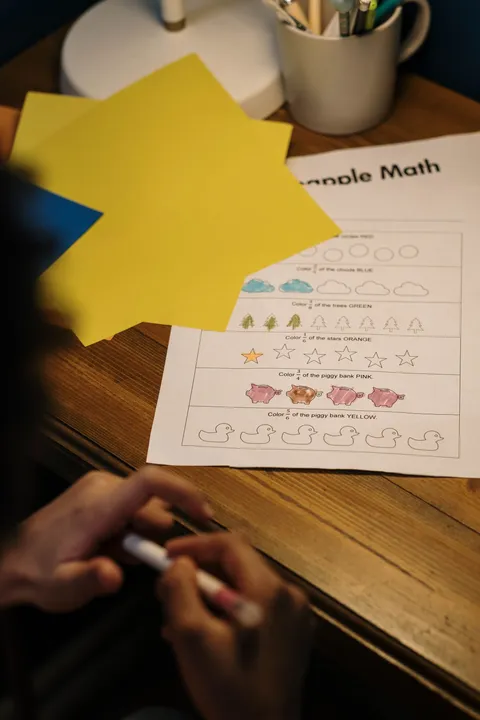
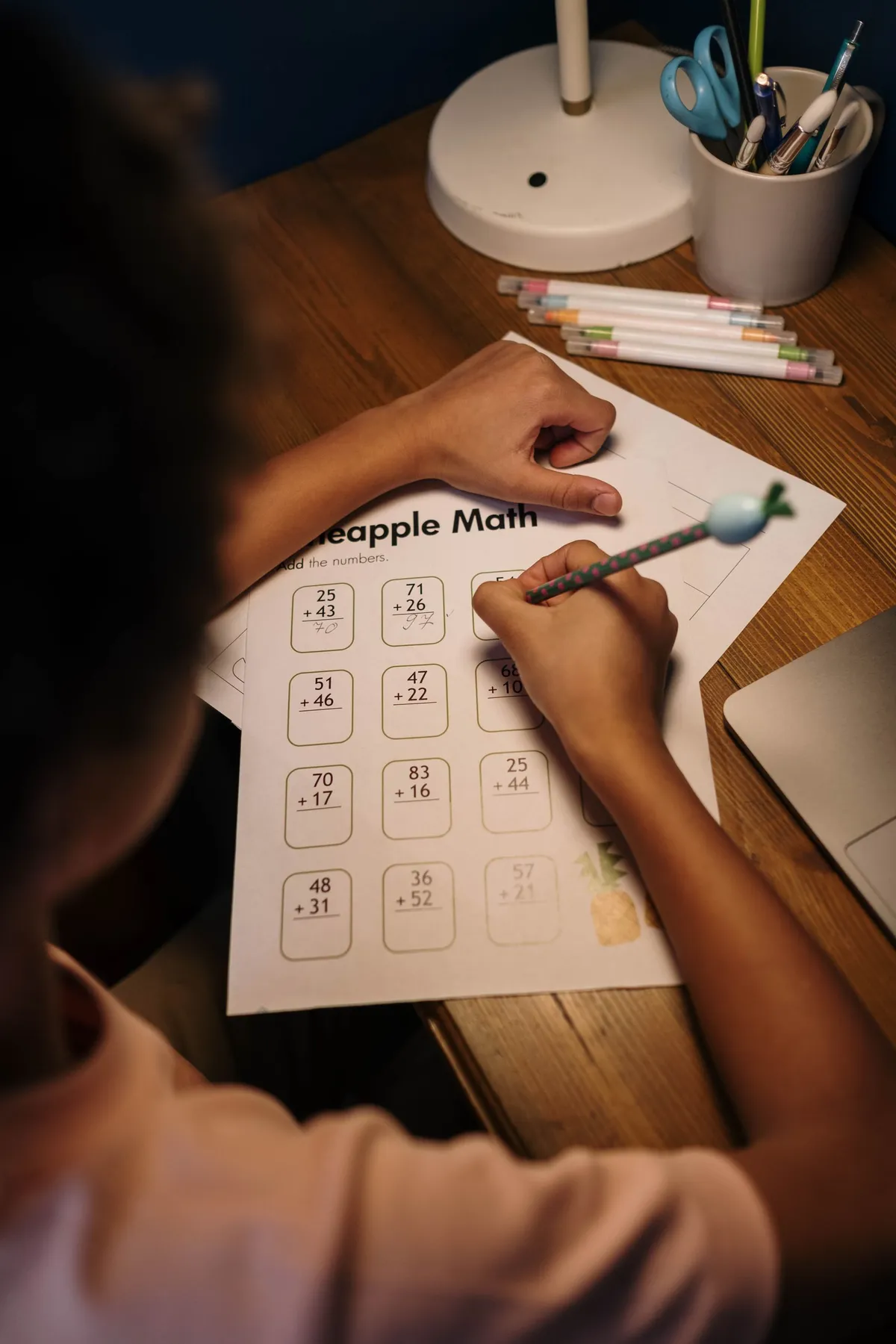
A kindergarten classroom will spend real time teaching letters, numbers, and early reading and writing skills — home practice doesn’t need to get there first, just build some familiarity and comfort with the format. Simple, low-pressure practice with letter shapes and hand control is one of the easiest places to start: Free Printable Alphabet Tracing Pages is a ready-to-print option that works for exactly this kind of short, repeatable practice, and its own guidance notes it holds up well for a kindergartener building handwriting consistency, not just a preschooler just starting out. A few short sessions a week, mixed in with ordinary reading and play, tends to build more comfort than a longer, more formal sitting.
Beyond letters and numbers, a short, focused workbook can also build a specific skill like reasoning, understanding time, or world awareness. Kindergarten Skill-Building Workbooks: Logic, Time, and the World Around Them covers how those three skill areas differ and how to choose between them.
Bringing it together
Getting ready for kindergarten is less about mastering academics in advance and more about building comfort with a bigger, more structured, more group-oriented day — while keeping the same everyday and social skills that mattered before kindergarten was on the horizon. Start with the readiness checklist to see where your child currently stands, lean on the same first-day preparation that works for any new school transition, and mix in a little low-pressure letter and number practice along the way. None of it needs to happen all at once, and none of it needs to look like school before school has actually started.
Frequently asked questions
How is getting ready for kindergarten different from getting ready for preschool?
Preschool prep is mostly about comfort with a new routine and a new adult in charge, since preschool itself is largely play-based. Kindergarten prep adds a layer on top of that: more structured, whole-group instruction, a longer and more consistent daily schedule, and a bit more expectation around sitting, listening, and following multi-step directions as a group, alongside the same social and self-care skills that mattered before.
Do I need to focus on academics before kindergarten, or is the social side more important?
Both matter, but the everyday and social skills — separating comfortably, following group directions, managing basic self-care, sitting through a group activity — tend to make the biggest difference in how smoothly the first weeks go. Academic exposure like letter and number recognition helps too, but a kindergarten classroom is built to teach those skills from day one, not to assume a child already has them.
How much should we be doing at home before kindergarten starts?
A little, consistently, tends to work better than a lot all at once. Short, regular practice with letters, numbers, and following a routine, mixed with ordinary play and reading, covers most of what matters. There’s no need for a formal curriculum at home before kindergarten begins.