Phonics simply means connecting the sounds we hear in words to the letters that represent them. For many children, it clicks more easily through play than through drills. The good news is that you do not need special materials: cups, toys, sticky notes and a pen will take you a long way.
These ten phonics games follow a gentle sequence, so you can start where your child is and move on when they are ready. If you are also working on common words, our guide to teaching sight words to kindergarteners fits well alongside it.
Before you start
A few ground rules make the games smoother:
- Use sounds, not letter names, in the first games. Say “mmm,” not “em.” Keep sounds short and crisp, without adding “uh” if you can.
- Follow your child’s school. Schools use different programs and orders. A quick chat with the teacher helps you match the sounds being taught.
- Keep it short. Five to ten minutes is plenty.
- Celebrate effort. Mistakes are information, not failures.
Stage 1: Listening for sounds
Children usually need to hear sounds in words before they can connect them to letters.
1. Sound sort with toys
Gather a few small toys, such as a cat, a car, a cup, a sock and a sun. Ask your child to sort them by starting sound: “Which ones start with /k/? Which start with /s/?” Start with two sounds and add more as they gain confidence.
2. “I spy” with sounds
Play “I spy with my little eye something that starts with /b/.” Use a sound, not a letter name. Take turns, and keep to objects that are in plain view.
3. Sound hunt walk
On a walk or around the house, look for things that start with the sound of the day. Collect them in a bag or just name them aloud. This is a gentle way to practice with no materials at all.
Stage 2: Matching sounds to letters
4. Letter-and-picture match
Write letters on sticky notes and match them to toys or picture cards that start with each sound. Begin with a few letters and add new ones slowly. Our free printable alphabet tracing pages are a handy follow-up once children know a handful of letters.
5. Letter cups
Write one letter on each of several paper cups. Call out a sound, and your child drops a small toy into the matching cup. To keep it fun, add a “race the timer” element for children who enjoy it.
6. Sandpaper or salt-tray letters
Pour a thin layer of salt or sand in a shallow tray and let your child write a letter with a finger while saying its sound. Keep the tray out of reach of very young children, and avoid it near the face if your child tends to put things in their mouth.
Stage 3: Blending sounds into words
Blending means pushing sounds together to say a word, like /c/ /a/ /t/ becoming “cat.”
7. Robot talk
Say a word in “robot voice,” one sound at a time: /d/ /o/ /g/. Your child blends it into “dog.” Switch roles. Begin with two- and three-sound words.
8. Letter-tile word building
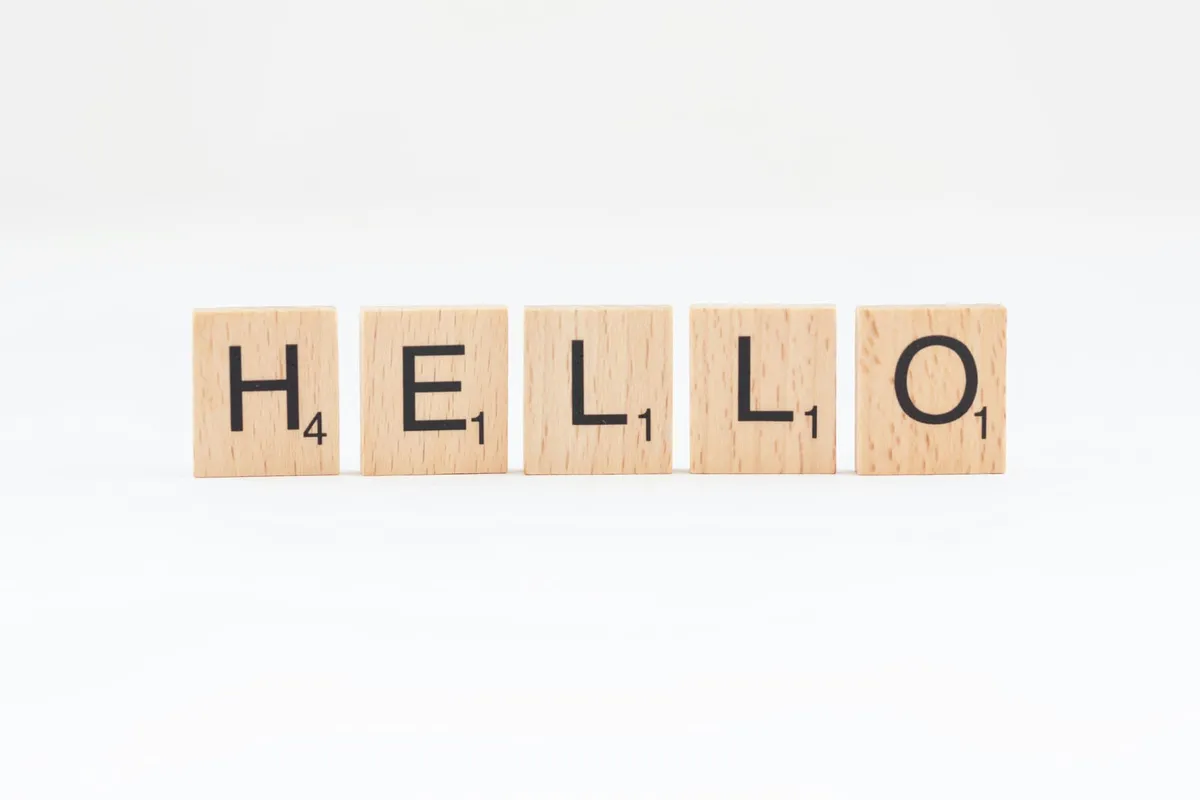
Use wooden or paper letter tiles. Lay out “c,” “a,” “t,” then swap the first letter to make “bat,” “mat” and “sat.” Changing one letter at a time shows children how small changes make new words. Ask your child to read each new word aloud.
9. Sound stepping stones
Draw or place three paper “stones” on the floor. Your child steps on each one while saying a sound, then slides a foot along the line to blend the whole word. Make sure the floor is clear and non-slip.
Stage 4: Reading short words and sentences
10. Read-and-find
Write short words such as “sun,” “pig” and “hat” on cards and place matching toys or pictures around the room. Your child reads a card and fetches the matching item. As confidence grows, move to short sentences like “The cat sat.” A printable workbook like Sight Words in Sentences: Kindergarten & First Grade Workbook gives extra practice with 24 common words, tracing, writing and picture-supported sentences. For younger learners still building early skills, the Preschool Skills Busy Book includes alphabet and writing activities along with numbers, colors and shapes.
How to fit it into your week
You can mix games across the week without needing a rigid plan. For example:
- A sound hunt on the way to the park
- Five minutes of letter tiles after dinner
- A short read-aloud at bedtime, pointing to words as you go
- One quiet page of tracing or reading practice on a weekend morning
If your child finds a stage difficult, step back to the one before it. If they breeze through, move on. Concerns about reading progress are best discussed with your child’s teacher or a professional.
Safety notes
- Keep small tiles, beads and toys away from children who still mouth objects.
- Supervise scissors and any messy trays.
- If your child gets frustrated, take a break. Positive experiences matter more than speed.
Frequently asked questions
What are good phonics games to play at home?
Sound sorting with toys, ‘I spy’ with letter sounds, letter-tile word building, sound-hunt walks and simple blending games all work well. They use things you already have and need little preparation.
What order should I teach phonics in?
Schools differ in the exact order, so check what your child’s teacher uses. In general, children begin by hearing sounds in spoken words, then learn common letter sounds, then blend them into short words. Following your child’s school sequence helps avoid confusion.
How long should a phonics game last?
For most kindergarteners, five to ten minutes is enough. Short, frequent sessions tend to work better than one long one, and it is fine to stop early if your child loses interest.
Are phonics games enough, or do I need worksheets?
Games are good for making sounds fun and hands-on, and worksheets give children quiet practice with tracing, writing and reading. Many families use both. Neither replaces reading together every day.