At some point in kindergarten, your child’s teacher will send home a list of words: the, and, a, I, is, to, you… These are sight words, and learning them opens the door to reading real sentences. Many parents worry about how to help without turning reading into a chore. Here’s how to teach sight words to kindergarteners in a way that’s short, playful and effective.
What are sight words?
Sight words are the most common words in written English. Children who recognize them instantly can read more smoothly and focus on meaning.
There are two kinds:
- Words you can sound out, such as it, in, and, can, not.
- Words with irregular spellings, such as the, said, was, you, which children need to memorize.
Teaching both types helps: use phonics whenever it works and memory when it doesn’t.
Before you start
- Know the list. Ask your child’s teacher which words they’re using; many schools use the Dolch or Fry lists.
- Check letter knowledge. Children who don’t yet know most letters and sounds will find sight words hard; strengthen those first with alphabet tracing pages and letter games.
- Start small. Three to five words at a time is plenty.
A 10-minute daily routine
Consistency beats intensity. Try this sequence:
- Review (2 minutes). Go through words already learned, quickly and cheerfully.
- Introduce (2 minutes). Show one or two new words. Say the word, point to each letter and say the letters, then say the word again.
- Play (4 minutes). Choose a game from the list below.
- Read (2 minutes). Find the words in a simple book or sentence.
Stop while your child is still enjoying it.
Games that make words stick
Word hunt. Write the target word on sticky notes and hide them around a room. Your child finds each note and reads it.
Sight-word hopscotch. Write words on paper squares on the floor. Your child reads each word and hops on it.
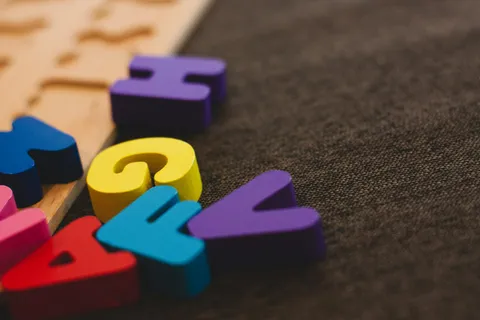
Build it. Use magnetic letters, letter tiles or play-dough letters to build the word. Read it and mix it up.
Rainbow writing. Write the word in a different color pencil each time.
Sand or shaving-cream writing. Trace the word in a shallow tray of salt, sand or shaving cream. Use your finger.
Memory match. Write each word on two index cards. Turn them face-down and find pairs, reading each word aloud.
Beat the clock. Read a stack of cards in one minute and try to beat the previous score. Keep it fun, not stressful.
Fly swatter. Lay words on the floor or wall and have your child swat the word you call out.
Word snowman or garden. Draw pictures and add a word in each. Children read them as they color.
Reading real books
Words on cards only go so far. Children truly learn sight words when they meet them repeatedly in real text.
- Choose decodable and beginner books that repeat the target words.
- Read together. Take turns reading pages.
- Point out target words as they come up: “Look, there’s the!”
- Reread favorites. Repetition builds fluency.
Our guide to a read-aloud routine at home offers ways to make reading time a daily habit.
How to know a word is learned
A word is truly learned when your child can:
- read it quickly without sounding it out,
- read it correctly in a book, not just on a card,
- read it on different days and in different fonts.
If a word is missed several times, don’t drop it; slow down, review it with a game and try again in a few days.
Common problems
“He knows it on the card but not in a book.” Practice reading the words in context; use a highlighter or a strip of paper to mark the word in a sentence.
“She guesses based on the first letter.” Encourage looking at the whole word. Play a game where words start with the same letter (was, will, with).
“He’s bored.” Shorten sessions, add movement, and let him choose the game.
“She forgets from day to day.” Review more often but for less time; sleep and repetition build memory.
More practice ideas
- Puzzles and matching pages build attention to detail, which supports reading. A printable like the Brain Games for Kids workbook includes matching and pattern activities for ages 4 to 10 that build focus and visual discrimination.
- School-readiness printables such as Preschool Skills Busy Book: 100 Printable Activities for School Readiness cover letters, tracing, matching and patterns, and can support the underlying skills.
Keep the bigger picture
Sight words are one part of learning to read, along with phonics, listening, vocabulary and a love of books. Read aloud every day, talk about stories and let your child see you reading. For a wider view of the year, see our guide to kindergarten at home.