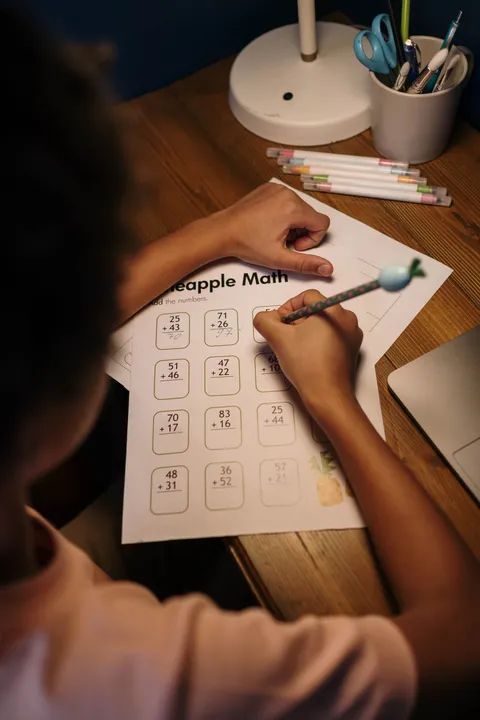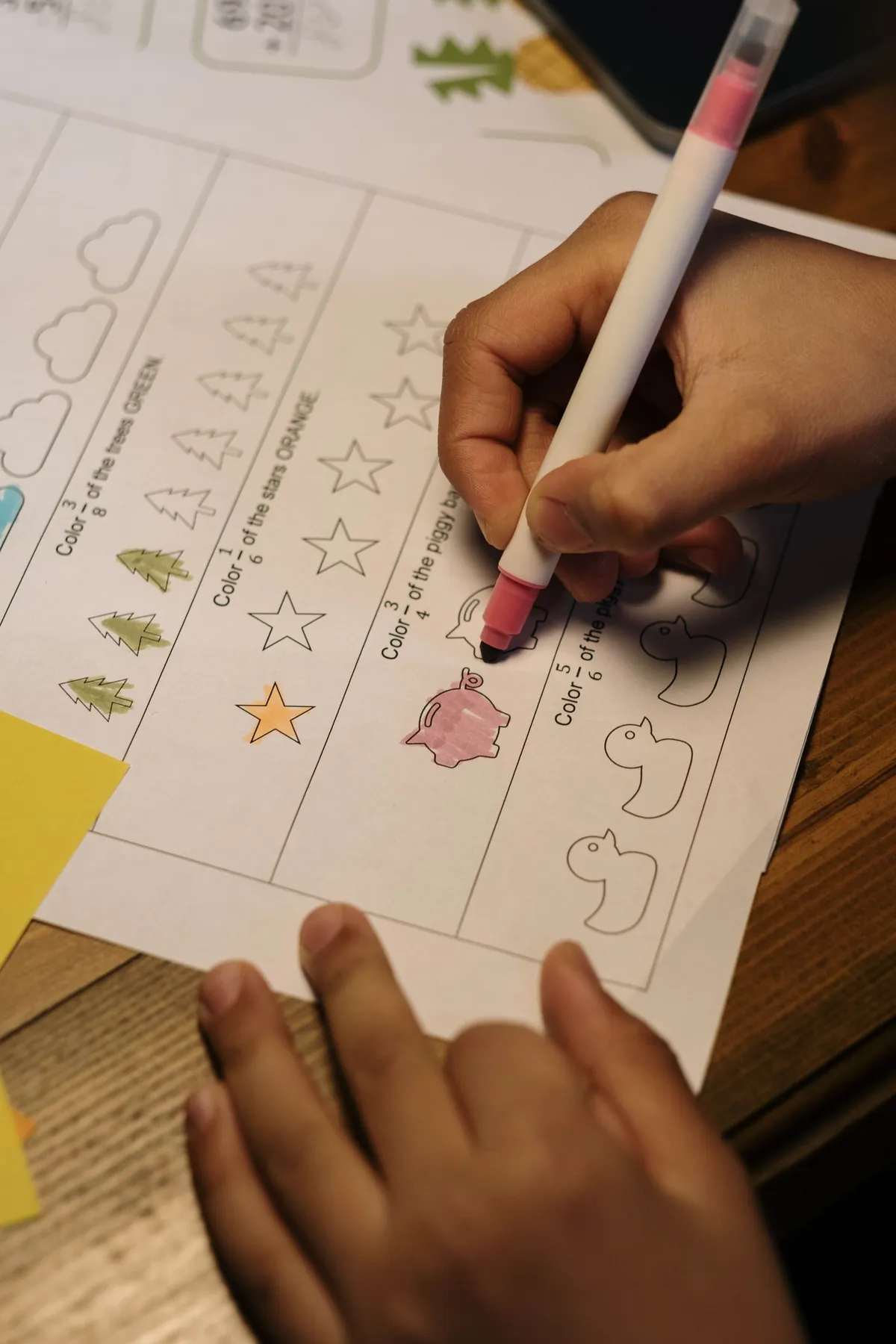
Kindergarten covers a broad mix of skills on its own timeline, but a short, focused workbook at home can give a child extra practice with one particular kind of thinking without turning into another school subject. Logic and reasoning, understanding time and routines, and learning about the wider world are three genuinely different skills, each with its own kind of workbook built around it — worth understanding separately before picking one to start with.
Why a kindergarten-age child benefits from skill-specific practice
A kindergarten day already introduces a child to letters, numbers, and a lot of new routines at once. A skill-specific workbook works differently: rather than covering everything, it gives a child repeated, focused practice in one particular area, which tends to build that specific skill more deliberately than picking it up incidentally across a busy school day. This kind of practice works best as a short, occasional addition alongside everyday play and reading — not a substitute for either, and not an attempt to get ahead of what the classroom is already teaching.
Logic and problem-solving practice
Logic-focused workbooks build pattern recognition, sorting, sequencing, and reasoning through puzzles that have a specific, findable answer — a different kind of thinking than open-ended play or creative activities. This is often a reasonable starting point for a family that isn’t sure which skill to focus on first, since reasoning skills tend to support the other two areas as well. Logic and Problem-Solving Activities for Kids: A Practical Guide covers everyday, no-workbook ways to build this at home and goes deeper on what a good logic workbook includes, including the Advanced Logic & Problem Solving: Skill Practice Workbook, a 15-page printable workbook for ages 6–7 covering pattern recognition, a maze activity, visual memory, observation, sorting, and sequencing.
Time management and daily-routine practice
Time-focused workbooks build a different, less commonly practiced skill: understanding schedules, sequencing the steps of a day, and estimating how long something takes. This is a particularly useful focus for a family working on a kindergarten morning or after-school routine, since the workbook practice reinforces the same ideas a visual schedule or timer builds at home. Teaching Kids Time Management: Simple Routines and Practice Activities covers everyday routine-building in more depth, including My Time-Smart Day: A Time Management Workbook, a 15-page printable workbook for ages 6–7 covering time words, schedules, planning, and sequencing.
Learning about the wider world
World and culture workbooks introduce a child to countries, landmarks, and flags while building memory, observation, and pattern skills along the way — a genuinely different focus from logic or time-management practice, closer to general knowledge and curiosity than a specific reasoning skill. This tends to work well once a child has some general reading and puzzle-solving comfort, and pairs naturally with books, cooking, or conversations about other places already happening at home. Fun Ways to Teach Kids About the World: Geography and Culture Activities covers simple everyday ways to build this awareness, including World Explorers: Countries and Cultures Activity Workbook, a 15-page printable workbook for ages 6–7 covering countries, cultures, landmarks, and geography.
Choosing where to start
None of these three skill areas is a prerequisite for the others, so the right starting point mostly comes down to what would genuinely help your child right now: reasoning and puzzle-solving, a smoother grip on daily routines and time, or a first bit of exposure to the wider world beyond home and school. Skill-Practice Printable Workbooks for Kids, by Age and Skill covers this same kind of workbook practice in more depth across a wider age range, and is a useful next stop once you’ve picked a starting skill here.
Bringing it together
A short, focused workbook is a reasonable way to give a kindergarten-age child extra practice with one specific skill, without turning home time into another school subject. Logic and problem-solving, time and routines, and learning about the wider world are three genuinely distinct places to start — pick whichever one fits what your family is already working on. Kindergarten at Home: Getting Ready and Building Early Skills ties this together with the rest of what matters for a smooth kindergarten start.
Frequently asked questions
What age are these skill-practice workbooks actually built for?
The three covered here are built for ages 6–7, which overlaps with kindergarten and early first grade for many children. A kindergartener who’s ready for guided, page-by-page practice can generally use them, though the right starting point still depends on the individual child rather than the grade label alone.
Do I need all three workbooks, or should I pick just one?
One is a reasonable place to start. Picking based on which skill feels most useful right now — reasoning and puzzles, daily routines and time, or the wider world — tends to work better than trying to cover all three at once. Rotating between them over time, once a child is used to the format, is also a reasonable approach.
How is a workbook like this different from what a kindergarten classroom already covers?
A kindergarten classroom moves through a broad academic curriculum on its own schedule. A skill-specific workbook at home is narrower by design, letting a family spend a short, focused stretch of time on one particular kind of thinking — logic, time concepts, or world awareness — rather than replacing or accelerating what the classroom is already covering.