Children are curious about people who live differently from them: what they eat, how they greet each other, what stories they tell. With a little care, that curiosity can grow into respect and a real interest in the wider world. The key is to focus on specific, real details rather than costumes or generalizations.
This guide shares world culture activities for kids grouped by theme, plus simple principles for keeping the learning respectful. If you would like an overview first, see our guide to fun ways to teach kids about the world, and if you want something more playful with maps, try our geography games for kids.
Start with a few principles
Before choosing activities, keep these ideas in mind:
- Be specific. “In many Japanese homes, shoes come off at the door” teaches more than “people in Asia do things differently.” Choose a particular country or community.
- Show everyday life. Festivals are fun, but so are school days, games and mealtimes. Seeing ordinary life stops a culture from feeling like a costume.
- Use voices from the culture. Choose picture books, music and recipes made by people from that culture where possible.
- Avoid dress-up caricatures. Costumes based on a culture or religion can easily turn into stereotypes. Look at photographs and talk instead.
- Say “I don’t know.” Looking things up together models curiosity and honesty.
Food activities
Food is a natural, memorable entry point.
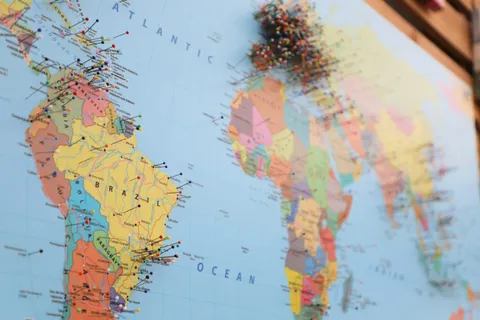
- Cook one simple dish together. Choose a family-friendly recipe from a specific country, and find the place on a map first. Talk about where the dish is eaten and when.
- Taste-test a fruit or snack. Offer a small taste of a fruit or snack from another region, and let your child describe it using their senses.
- Compare breakfasts. Look at photos or read about what children eat for breakfast in several countries. Ask what is similar and what is different.
Always check for food allergies, supervise knives and heat, and avoid foods that are choking hazards for young children.
Music and movement
- Listen first. Play a short piece of traditional or popular music from one country and ask, “What do you notice? Is it fast or slow? What instruments do you hear?”
- Make simple instruments. A shaker from a sealed container with rice or dried beans is a safe, easy project, as long as the lid is secured for young children.
- Learn one dance together. Find a children’s video from the culture and try a few steps. Keep it lighthearted.
Stories and language
- Read picture books set in a particular place, ideally by authors from that culture. Libraries often have lists by region.
- Learn a greeting. A single word, such as “hello” in another language, can be an anchor for a place. Ask someone who speaks the language to say it for you, or use a trusted audio source.
- Share family stories. If your own family has roots elsewhere, tell a story or share a tradition. It may be a child’s first and most meaningful encounter with culture.
Crafts and art
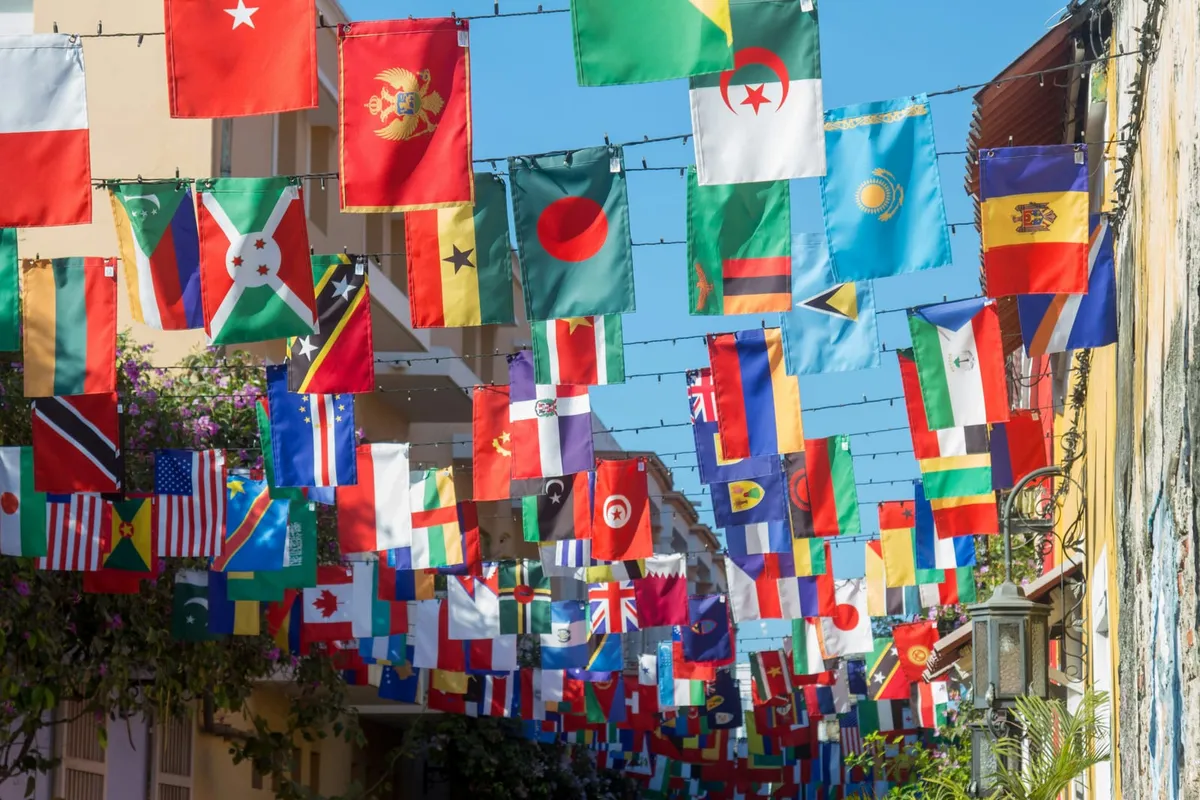
- Flag study. Look at a few flags and ask, “What colors and shapes do you see? What might the symbols mean?” Then let your child design a flag for their family or a made-up club. Keep the focus on observation, not on copying sacred symbols.
- Pattern play. Many cultures have traditional textile or tile patterns. Look at photos and then create your own patterns with paper shapes.
- Postcards. Have your child draw a postcard from an imaginary trip and write a short note, then discuss what they would hope to see there.
Landmarks and daily life
Photos of landmarks catch young children’s interest, but follow them up with a human detail. After looking at a famous building or natural place, ask: “Who might live nearby? What might children play there?” This shifts attention from tourist attractions to people’s lives.
Printable practice
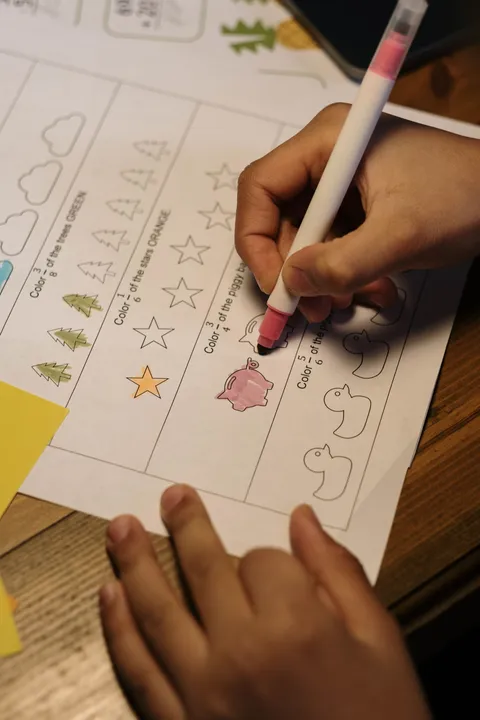
Some children enjoy quiet, structured pages after a hands-on activity. World Explorers: Countries and Cultures Activity Workbook is a 15-page printable workbook for ages 6–7 with countries and cultures activities, landmark and geography pages, memory and observation challenges, and logic and pattern puzzles. It can reinforce what you have explored together. To see how it compares with other options, take a look at our guide to kindergarten skill-building workbooks.
A simple month-long plan
If you would like a light structure, try one theme per week:
- Week 1: Pick a country and find it on the map. Read one picture book.
- Week 2: Cook or taste one dish from that place.
- Week 3: Listen to music and learn one greeting.
- Week 4: Make something inspired by what you learned and share it with a friend or relative.
Then choose a new country, or revisit one your child liked.
Common pitfalls
- Treating one country as a whole continent. Africa and Asia, for example, contain many countries and cultures. Be specific.
- One-off culture days. A single event can leave stereotypes untouched; regular, small activities work better.
- Speaking for people. Where possible, let people from the culture speak for themselves through books, music and conversation.
- Making differences seem odd. Frame differences as interesting and similarities as welcome.
Frequently asked questions
How can I teach my child about other cultures without stereotypes?
Be specific, use sources from the culture itself, and show everyday life as well as celebrations. Say ‘many families in this country’ rather than ‘everyone there’, and avoid costumes or caricatures. If you are unsure, say so and look it up together.
What are good world culture activities for preschoolers?
Simple, sensory activities suit preschoolers best: tasting a safe food, listening to music, looking at photographs, hearing a picture book and finding the place on a map. Keep each activity short.
Do I need to be from a culture to teach about it?
No, but it helps to learn from people and materials created by that culture, and to be honest about what you do not know. If you have friends, neighbors or relatives from that background, ask whether they would like to share.
How often should we do culture activities?
A little and often works well, perhaps one short activity a week. Repetition, rather than one big ‘culture day’, tends to make ideas stick.