Few kitchen experiments get a bigger reaction than oobleck. You squeeze it and it feels solid. You open your hand and it drips like a liquid. Children tend to spend a surprising amount of time poking, rolling and stirring it, and asking “why?”
This oobleck recipe for kids takes about five minutes, uses two ingredients and doubles as a mini science lesson. Below you will find the ratio, a step-by-step method, simple explorations, an easy explanation of what is going on, fixes for common problems and, importantly, safety and cleanup advice. For more ideas that use things you already own, see our easy STEM activities using household items.
What you need
- Cornstarch (about 2 cups for a small tray, and more for a big group)
- Water (about 1 cup)
- A wide, shallow tray, baking dish or plastic tub
- A spoon or spatula
- Optional: a few drops of food coloring
- Optional: small toys, spoons, cups and a plastic tray for exploring
- An old towel or a plastic sheet to protect the table or floor
The basic recipe
The usual ratio is two parts cornstarch to one part water. For one tray, that is 2 cups of cornstarch and 1 cup of water.
- Pour the cornstarch into the tray.
- If you are using color, mix a few drops into the water first.
- Add the water slowly, a little at a time, while you stir.
- Switch to your hands once it starts to come together. Press, squeeze and fold.
- Adjust: if it is runny and never feels firm, add a spoonful of cornstarch. If it is dry and crumbly, add a few drops of water.
You are looking for a texture that is hard to stir quickly but flows slowly when left alone. It can take a minute of mixing to get there, so be patient.
Why does oobleck act like a solid and a liquid?
Here is a child-friendly way to explain it. Oobleck is made of tiny cornstarch grains floating in water. When you press quickly or hit it, the grains are pushed together and there is no time for the water to flow out of the way, so it feels hard. When you move slowly or let it rest, the grains can slide past each other, so it flows like a thick liquid.
Scientists call materials like this non-Newtonian fluids, because they do not behave like plain water or honey. You do not have to use that word with young children. “It gets hard when you squeeze it and runny when you let go” is a good start. If your child asks something you cannot answer, say “let’s test it” or “let’s look it up together.”
Seven ways to play and explore
- Squeeze and release. Make a ball with your hands, then open your fingers and watch it melt. Do it again, faster and slower.
- Tap and poke. Tap the surface quickly with a flat hand, then slowly press a finger in. Ask: “What is different?”
- Slow-and-fast spoon. Stir with a spoon at different speeds. Which is easier?
- Dinosaur dig. Bury small plastic toys and let children dig them out with spoons and cups.
- Pour and drip. Lift a handful and let it drip back into the tray. Time how long it takes.
- Footprints and handprints. Press hands into the surface and watch the shape slowly disappear.
- Add color. Make two small batches in different colors and see what happens when they meet.
Make it a mini science investigation
Turn play into science with the predict-test-record routine:
- Ask a question. “What happens if I add more water?”
- Make a prediction. Draw or say the guess first.
- Test it. Add one spoonful of water, mix and feel the change.
- Record. Describe it in words, a drawing or a simple scale such as “runny, medium, hard”.
- Talk. What surprised you? What would you try next?
Changing only one thing at a time is an early lesson in fair testing. If your child enjoys writing and drawing what they see, My Science Lab: Experiment Journal for Kids is a 25-page printable PDF for ages 5 to 9 with 10 kitchen experiments, materials lists, observation pages and space to draw and record results. It does not include oobleck, but it gives children a place to practice the same habit of observing and noting what happens. For more pantry-based ideas, try our kitchen science experiments for kids.
Troubleshooting
- It is too runny. Add cornstarch a tablespoon at a time and mix well.
- It is too stiff or crumbly. Add water a few drops at a time. It is much easier to add than to take away.
- It will not go hard. You probably have too much water. Keep adding cornstarch slowly.
- It dries out and cracks. That is normal. Leaving it out lets the water evaporate, and you can wake it up with a little water.
- It is hard to get off clothes. Let it dry, brush off as much as you can and then rinse the fabric before washing.
Oobleck without cornstarch?
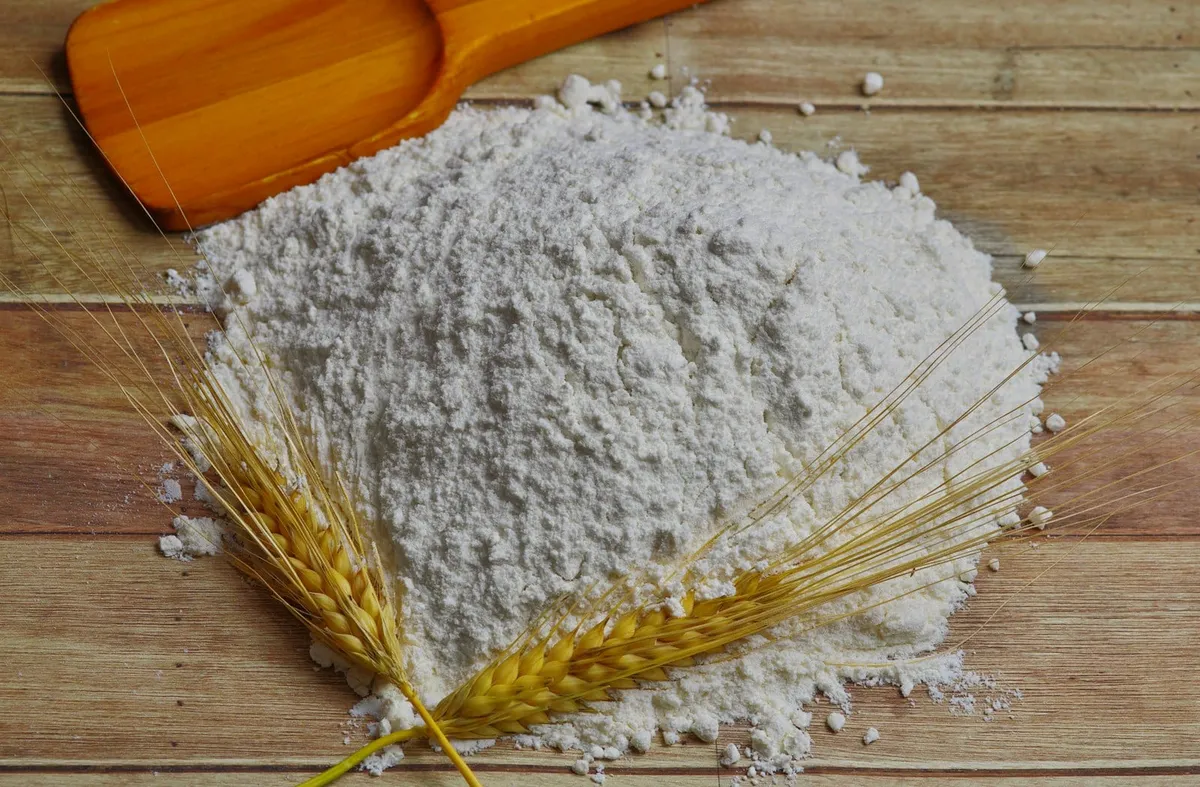
Cornstarch is the star here, because its fine grains give oobleck its special behavior. Flour and water makes a sticky dough or paste instead. Some starches, such as potato starch or arrowroot, are sometimes used as substitutes, but they may need different amounts of water and the texture can vary. If you must swap, test a small batch first and adjust gradually.
Oobleck for babies, toddlers and groups
- Toddlers. Use a large, shallow tray, sit with them and keep the mixture away from the mouth. Many families prefer to wait until children no longer mouth objects. See our ideas for sensory activities for toddlers at home for gentler options.
- Babies. Oobleck is not designed for babies, so choose a taste-safe alternative or skip it.
- Individual students. Give each child a zip-top bag or small tray with about half a cup of cornstarch and a small cup of water to add slowly. Bags can be sealed for squishing, which keeps the mess contained.
- Large groups. Use one big tub per four or five children, line the floor with plastic and set up a water bucket for hand washing before any child touches anything else.
Cleanup in four steps
- Scrape and spoon as much oobleck as you can into the bin.
- Wipe tools and trays with paper towels, then wash them in a tub or bucket of water rather than the sink.
- Let spills dry, then sweep them up. Wet cornstarch is slippery and dry cornstarch is dusty.
- Wash hands with soap and water.
Extra ideas to try next
- Tray tapping. Spread a thin layer in a baking tray and tap the tray’s side gently. Watch the surface wobble and compare it with a tray of plain water.
- Texture comparison. Compare oobleck, a ball of play dough and a bowl of water. Which are solid? Which are liquid? Which are in between?
- Story time. Make up a story about a creature who lives in a pool of oobleck.