By around age eight, many children can stay with a project for much longer, follow multi-step instructions and want more say in what they do. That is good news for screen-free time, but the toddler-style craft table often feels too young. The ideas below are aimed at 8 year olds, and most stretch comfortably to ages 7 to 11.
Instead of one long list, they are grouped by what your child already enjoys. If you need quick ideas for all ages, our guide to screen-free boredom busters for kids is a good companion.
Make screen-free time easier first
A few small set-ups do more than any single idea:
- Write a yes list together. Sit down when nobody is bored and let your child list twenty things they could do. Stick it on the fridge. When boredom hits, “check the list” is a neutral prompt.
- Keep a supply box. Paper, pencils, tape, scissors, string, cardboard tubes, sticky notes and clips. Everything in one place means less asking.
- Give projects a home. A shelf or tray where a half-built model can stay overnight encourages longer projects.
- Start with them. Join in for five minutes, then step back.
- Allow boredom. A short stretch of “I’m bored” often ends in an idea your child owns. You do not have to solve it every time.
For builders
- Paper tower challenge. Using ten sheets of paper and a metre of tape, who can build the tallest freestanding tower? Try again with a new rule, such as no tape.
- Cardboard marble run. Cut cardboard tubes and strips and tape them to a wall or box lid. Test with a small marble, then redesign. Supervise cutting, and keep marbles away from younger siblings.
- Spaghetti-and-marshmallow structures. Uncooked spaghetti and marshmallows make surprisingly strong frames. Test them with a toy.
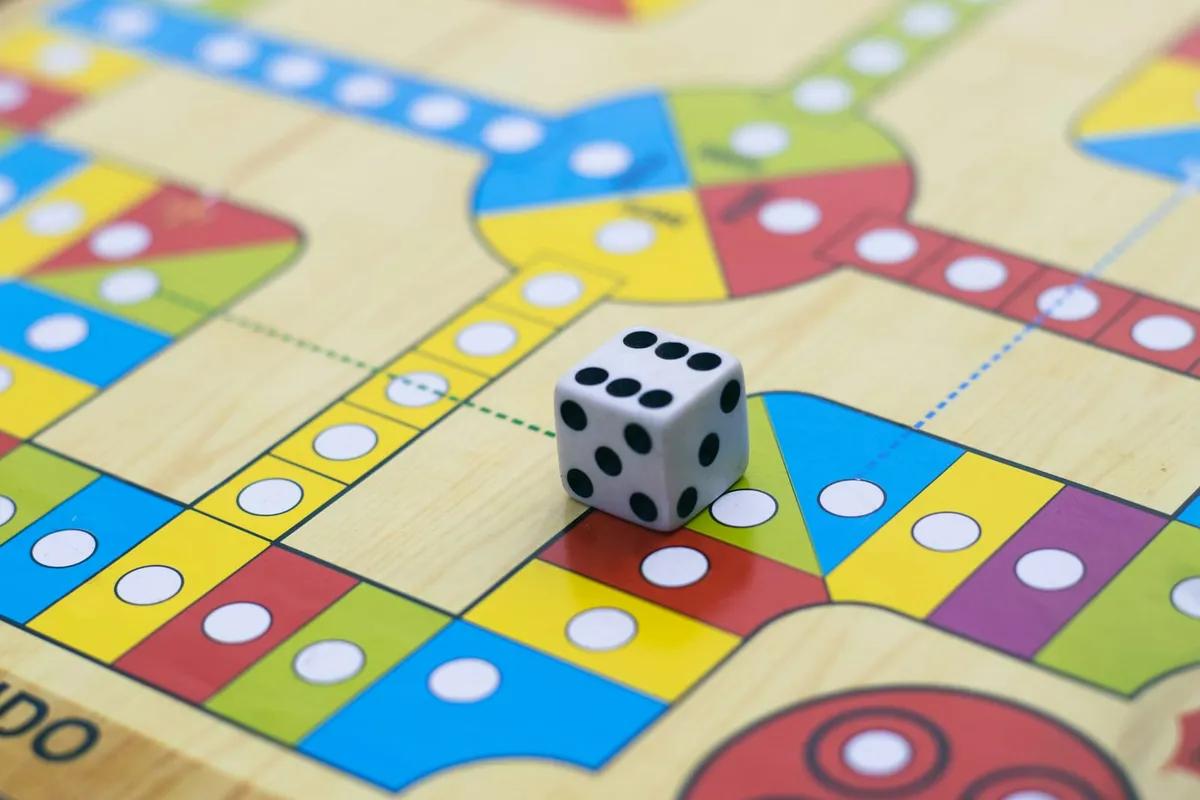
- Design a board game. Draw a track, make dice rules and playtest it with the family. Rewriting rules after a first game is excellent practice in fairness and design.
For artists
- Draw a comic. Fold a sheet into panels and tell a story about a character your child invents. Older children can make a series.
- Observational drawing. Pick a household object and draw it from three angles.
- Collage from old magazines. Cut out colours or shapes and glue them into a landscape or animal.
- Make a sketchbook. Staple paper inside a folded cardboard cover and decorate it. Having their own book gives drawing a place.
For puzzlers
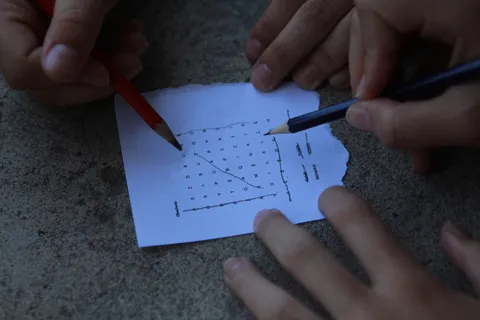
- Printable puzzles and mazes. Fill a clipboard with printable puzzles and leave it somewhere easy to reach. The Ultimate Kids’ Activity Book — Screen-Free Games & Puzzles is a printable workbook for ages 4 to 8 with puzzles, mazes, matching games, pattern recognition, spot-the-difference, word searches, connect the dots and drawing prompts, designed to reduce boredom and screen time. For slightly harder reasoning, Brain Games for Kids — Printable Activity Workbook covers ages 4 to 10, and our list of brain games for kids to play at home has plenty without paper.
- Code-breaking. Write a message using a simple substitution cipher (A=1, B=2) and have your child decode it, then write one back.
- Treasure hunt with riddles. Hide a small prize and write four or five clues leading to it.
- Logic grids. Try a small clue-based grid with three items. Start with one you have checked has a single answer.
For movers
- Backyard or living-room obstacle course. Time a run through cushions, a crawl under a chair and a hop along a line of tape. Make sure the floor is clear and non-slip.
- Balloon volleyball. Keep a balloon up using any rule you invent, such as only using elbows.
- Freeze dance with challenges. When the music stops, strike a pose or complete a challenge.
- Beat-your-score challenges. Count how many times your child can bounce and catch a ball in a minute, then try to beat it tomorrow.
For storytellers and thinkers
- Write a short story or a “choose your own path”. Fold a page into sections and let readers pick what happens next.
- Puppet show. Make puppets from socks or paper bags and perform for family members.
- Teach a skill. Your child chooses something they can do, such as a card trick or a drawing method, and teaches an adult or younger sibling.
- Interview a relative. Prepare five questions and ask a grandparent or neighbour about their childhood. Phone calls can count as a no-screen-needed option if you simply use audio.
When you are out and about
For car trips or waiting rooms, keep a pouch with a pencil, small notebook and a folded puzzle sheet. Games like “I spy”, twenty questions, alphabet spotting (find something starting with A, then B) and story-chain (each person adds one sentence) need no equipment at all.
Safety notes
- Supervise any cutting, cooking or use of tools, and adapt tasks to your child’s skill.
- Choose a clear, safe space for movement games, away from stairs and sharp furniture.
- Keep small items such as marbles and marshmallow-style snacks away from younger siblings.
- Do not force screen-free time as a punishment; framing it as a choice works better.
Frequently asked questions
What are good screen-free activities for 8 year olds?
Building challenges, drawing and comics, board and card games, puzzles, cooking simple recipes with supervision, outdoor games, reading, and inventing their own games all suit this age. Choose by interest.
What screen-free activities work for 7 year olds?
Most ideas here also suit 7 year olds with a little more help: shorter instructions, easier puzzles and a grown-up nearby for any cutting, cooking or building with tools.
What screen-free activities suit 10 and 11 year olds?
Older children often enjoy longer projects such as stop-motion with paper, strategy games, writing a story or comic over several days, simple coding on paper, and teaching a skill to a younger sibling. Our guide to printable games for 11 year olds has more for this older group.
How do I get my child to choose a screen-free activity?
Make a list together when everyone is calm, keep supplies visible and easy to reach, and start the activity alongside them for the first few minutes. Choice and ownership matter more than persuasion.