Somewhere around ten or eleven, many children start to feel that a lot of “kid stuff” isn’t for them. They still love a challenge, though, and a well-chosen puzzle or game can hold their interest for a long time. These printable games for 11 year olds are designed with that in mind: harder, more strategic and with room for competition.
What eleven-year-olds want
- Real challenge. Puzzles that require thinking, not simple matching.
- Choice and control. Tweens like to pick what they do and how.
- A sense of maturity. Games that don’t look childish.
- Social fun. Competing or cooperating with friends and family.
- Interesting themes, such as mysteries, codes and trivia.
Word games
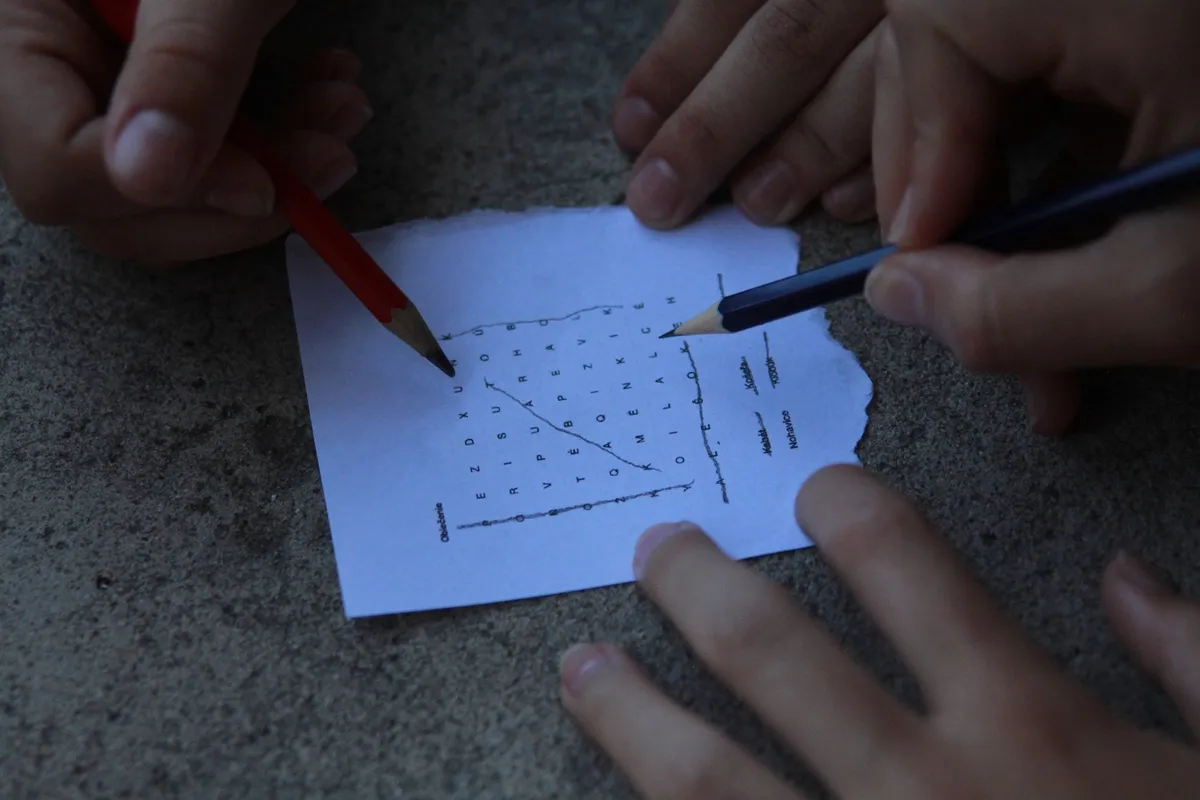
- Word searches with a twist. Hide words diagonally and backward, or make a themed one using their favorite topics.
- Crosswords and mini crosswords. Use clues that build vocabulary.
- Cryptograms. Decode messages using a letter substitution code.
- Word ladders. Change one letter at a time to turn one word into another (COLD, CORD, WORD, WARD, WARM).
- Anagram challenges. Unscramble letters to find words.
Logic and problem-solving games
- Logic grid puzzles. Use clues to work out who owns which pet or who sits where.
- Number and pattern sequences. “What comes next?” with harder rules.
- Sudoku for kids. Start with 4x4 or 6x6 grids and move to 9x9.
- Riddles and lateral-thinking puzzles. Great at the dinner table.
- Mazes with dead ends and twists, for those who like spatial puzzles.
See our logic and problem-solving activities for kids for more on building reasoning.
Math games
- Target number. Use four numbers and any operations to reach a target number.
- Math magic squares. Fill in a grid so every row, column and diagonal adds to the same sum.
- Budget challenges. Plan a party within a set budget using a printed price list.
- Estimation games. Guess quantities or measurements, then check.
Memory and observation games
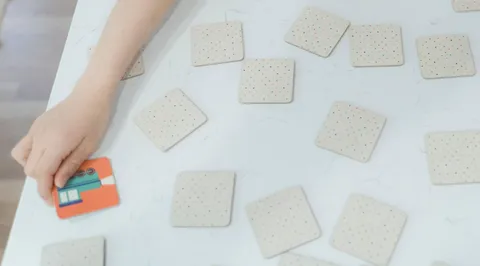
- Picture recall. Study a busy image for one minute, then answer questions about it.
- Kim’s game. Look at a tray of objects, then list them from memory.
- Spot the difference for older kids with subtle changes.
Creative writing and thinking
- Story starters. “You wake up and everything in the house is upside down…”
- Five-word stories. Write a whole story in five words.
- Design a game. Invent a board game or puzzle to print and share.
Ways to make games more engaging
Add competition. Two-player challenges, timed rounds or a family tournament with a small prize or bragging rights.
Set a theme night. “Puzzle night” with popcorn adds fun.
Let them design. Ask your tween to make a puzzle for you.
Offer choices. Give three options and let them pick.
Keep a running score. Track points over a week.
Play together. Many tweens enjoy games most when the whole family joins in.
Balancing with school skills
If your child is in the middle of the school year, it can help to keep skills sharp with games that are secretly practice. Mixed challenges across reading, writing, math and logic help keep multiple skills fresh without feeling like homework. Our fall learning activities for kids shows how to combine subjects in seasonal themes.
A multi-skill printable for tweens
For a ready-made set, Fall School Skills Challenge: Reading, Writing, Math, Logic & Memory is a 15-page printable workbook for ages 11 to 12 with autumn-themed activities across reading, writing, math, logic, memory, patterns, problem solving, vocabulary and creative writing, plus a final skills review. It’s a good way to bring a variety of challenges together in one printable.
For more brain-stretching ideas at home, see our guide to brain games for kids to play at home.