Summer stretches out long. Without school’s structure, days can slide between “I’m bored” and screen time before lunch. The good news is that summer activities for kids at home don’t have to be elaborate. A steady daily rhythm, a few cooling ideas and some quiet options are enough to keep everyone happy.
Build a simple summer rhythm
Children thrive on a predictable outline, even when nothing is scheduled. Try this flexible shape:
- Early morning: the most active play, while it’s still cool — outdoor games, walks, scooter or bike rides, a picnic breakfast.
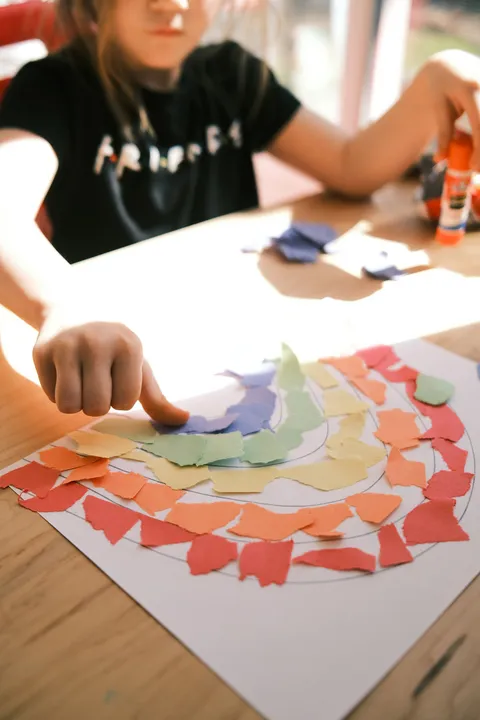
- Mid-morning: a “project” time such as crafts, building or cooking.
- Lunch and rest: a screen-free quiet hour with books, puzzles or a nap.
- Afternoon: water play or an indoor activity, depending on the heat.
- Evening: a walk, a game, story time.
A rhythm is easier for everyone than a full schedule, because it tells children what comes next without asking you to run a camp.
Water play (with supervision)
Water is the classic summer cool-down, and it needs no special equipment.
- Sponge relay. Two buckets, one sponge, and a race to transfer water from one bucket to the other.
- Painting with water. Give children a brush and a bucket of water to “paint” fences, sidewalks and walls; it dries and disappears.
- Car wash. Wash toy cars, bikes or ride-ons with sponges and soapy water.
- Water transfer table. Cups, funnels and spoons in a plastic tub help toddlers and preschoolers explore pouring.
- Ice excavation. Freeze small toys in a container of water, then let children free them with warm water and spoons.
Safety note: Young children can drown in very small amounts of water, so always stay within arm’s reach and never leave a child alone with a paddling pool, tub or bucket. Keep water play in shaded areas and use sun protection.
Shade-time crafts
- Sun prints. Place leaves and shapes on dark construction paper, leave in the sun and see the paper fade around them.
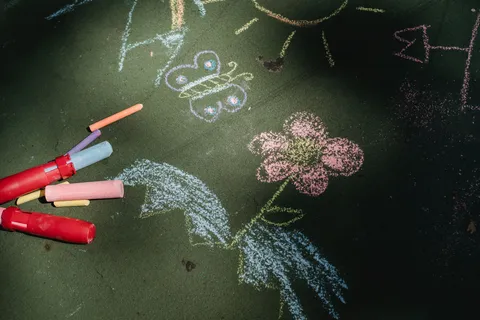
- Sidewalk chalk city. Draw roads, houses and parks and drive toy cars through them.
- Nature bracelets. A loop of masking tape (sticky side out) worn around a wrist collects flowers and leaves on a walk.
- Friendship bracelets for older children, using embroidery thread.
Our outdoor activities for kids at home guide has many more.
Cool indoor activities
When the heat peaks, bring things inside.
- Reading fort. A blanket over chairs, a flashlight and a pile of books.
- Cool-down sensory bin. Ice cubes, water and a few plastic animals for exploring.
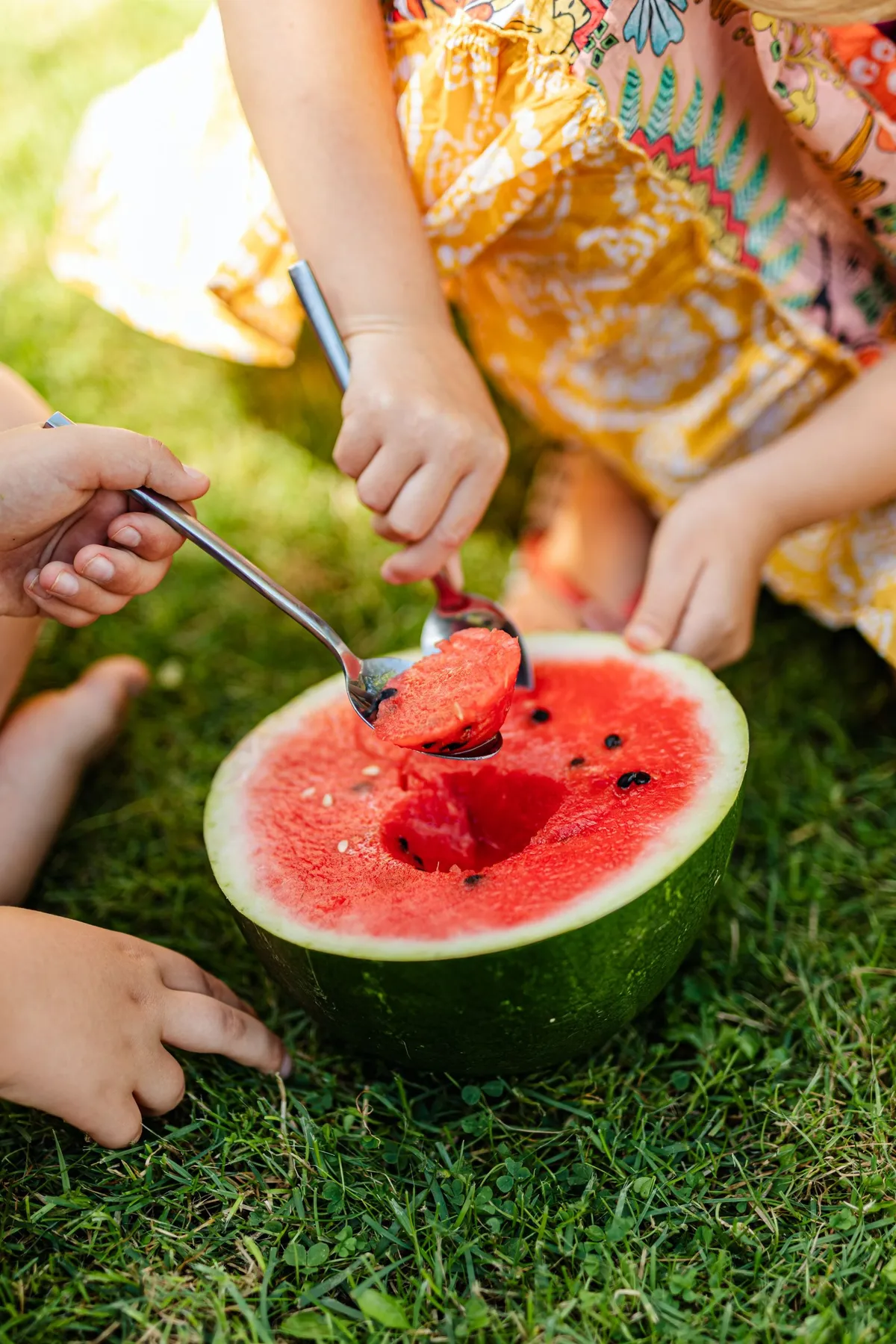
- Bake and taste. Frozen banana “ice cream” or simple no-bake treats, with an adult handling the appliances.
- Puzzles and hidden-picture pages. Seek-and-find activities are ideal for quiet midday time. The printable Hidden Pictures & Seek-and-Find activity book is designed for ages 4 to 10.
- Board-game afternoon. Let children pick a game for the whole family.
Keeping learning gentle
Summer is a time to rest, but a little regular practice can keep skills warm without feeling like homework.
- Read every day. Even 15 to 20 minutes is enough; try a “summer reading log” with stickers.
- Count and measure in the kitchen. Cooking is math in disguise.
- Journal or draw daily. One sentence and one picture about the day.
- Puzzles and mazes. They build logic and patience without feeling like schoolwork. A workbook such as The Ultimate Kids’ Activity Book — 25 Screen-Free Games & Puzzles can be printed in small batches and kept in a “quiet time” basket.
A screen-time plan that helps
You don’t have to ban screens to keep summer screen-light. Decide in advance when screens are allowed, such as after lunch for one hour, so it’s a predictable part of the day rather than a daily negotiation. Then offer a good alternative for the rest of the time.
When someone says “I’m bored”
Keep a jar of activity ideas written on craft sticks. When “I’m bored” appears, pull one out. Our screen-free boredom busters guide is a great source of ideas to add to the jar.
A sample summer day at home
| Time | Activity |
|---|---|
| 8:00 | Breakfast picnic outside |
| 9:00 | Scooter, bike or chalk games |
| 10:30 | Craft or building project |
| 12:00 | Lunch |
| 12:45 | Quiet time: books, puzzles, rest |
| 2:00 | Water play or indoor game |
| 4:00 | Free play, snack |
| 6:00 | Family walk or garden time |
Adjust the times to your family, and expect some days to fall apart completely; that’s summer.