For many families, the afternoon nap disappears long before the need for a break does. Quiet time fills that gap: a daily stretch, usually 30 to 60 minutes, when your child plays calmly on their own while you get a moment to reset. Done well, it protects your energy and teaches your child a genuinely useful skill — entertaining themselves without a screen or an adult.
This guide covers what quiet time is, how to set it up so it actually sticks, and specific quiet time activities for kids by age, from toddlers to older children.
What quiet time is (and isn’t)
Quiet time is not punishment and it is not a nap. It is a predictable part of the day where a child chooses from a small set of calm activities and plays independently. The rules are simple: stay in the space, keep the noise low, and use only the quiet-time materials.
That last rule matters more than any other. Children stay engaged much longer with items they only see during quiet time, so keeping a special set of materials out of the everyday toy rotation makes the activities feel fresh.
How to set up quiet time so it sticks
Pick the same time every day. Right after lunch works well for many families because it lines up with the old nap window. Consistency does more than any single activity.
Use a visual timer. A sand timer or a simple countdown timer lets children see how much time is left, which cuts down on “is it over yet?” questions. Start with 15 to 20 minutes if your child has never done it, and add five minutes every few days.
Make a quiet-time basket. Fill a basket or box with four to six activities and let your child pick two. Swap the contents every week or two. If you’d like a system for this, our guide to keeping a rotating activity list ready at home walks through it.
Set the space up first. A corner with a rug or floor cushion, a small table and good light is enough. Remove anything unsafe, because you will not be watching every second.
Stay within earshot. For toddlers and young preschoolers especially, quiet time is independent play, not unsupervised play. You should be able to hear them and check in quickly.
Quiet time activities for toddlers (ages 1–3)
Toddlers need simple, safe, hands-on materials. Keep everything large enough to avoid choking hazards and stay nearby.
- Stacking and nesting cups — endlessly re-arrangeable and quiet.
- Large, soft board books — a stack on a cushion invites looking and turning pages.
- Posting activities — dropping large pom-poms or fabric scraps through the slot of a sealed container (never leave loose small items within reach of a child who still mouths objects).
- Simple wooden puzzles with big knobs.
- Quiet water-free sensory bins built from a tub of large, safe items such as soft blocks and scarves.
Our sensory activities for toddlers at home guide has more safe, low-mess ideas.
Quiet time activities for preschoolers (ages 3–5)
Preschoolers can handle more open-ended and multi-step play.
- Puzzles and matching cards, from 12 to 24 pieces.
- Drawing station with paper, crayons and a clipboard for lying on the floor.
- Sticker scenes — a sheet of stickers and a blank page becomes a whole story.
- Lacing cards and large beads for fine motor practice (see our fine motor activities for preschoolers).
- Audiobooks or a stack of picture books for looking at alone.
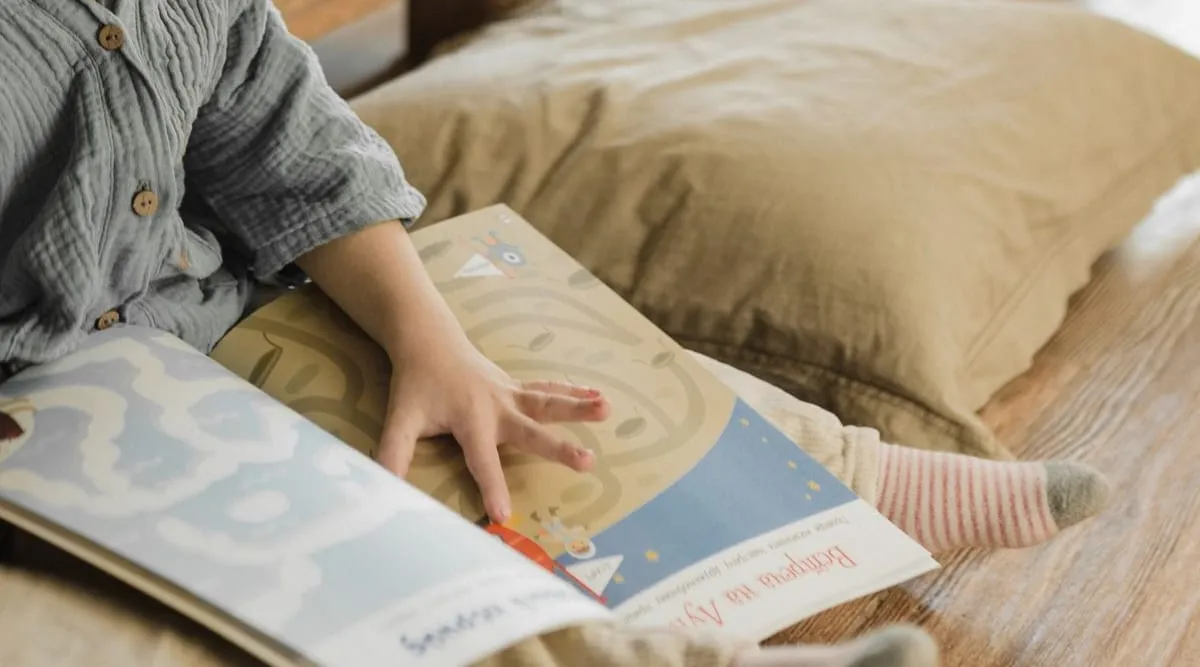
- Printable activity pages, such as mazes and matching games. A workbook like The Ultimate Kids’ Activity Book — 25 Screen-Free Games & Puzzles is designed for exactly this kind of independent, no-screen play, for ages 4 to 8.
Quiet time activities for older kids (ages 6–10)
Older children need a challenge and some ownership over how they spend the time.
- Chapter books or comics with a reading corner and a small snack, if you allow one.
- Logic and brain games on paper: mazes, pattern puzzles, spot-the-difference. The Brain Games for Kids printable workbook covers puzzles, mazes, matching and logic challenges for ages 4 to 10, so a single printout can cover a few quiet sessions.
- Drawing and comic-making, using a “draw a comic in six panels” prompt.
- Building sets and construction toys that stay on a tray.
- A quiet-time journal for younger writers: one sentence, one drawing.
Quiet time before bed
Evening quiet time works a little differently, because the goal is winding down rather than staying busy. Dim the lights, and choose calm, low-stimulation options: picture books, gentle drawing, or a simple puzzle. Screens are best kept out of this window for many children, since bright light and fast-moving content can make settling harder. Our guide to calm-down activities for big emotions has additional gentle options.
Quiet time when your child has stopped napping
When naps end, energy dips often show up mid-afternoon as crankiness. Moving quiet time to just after lunch and pairing it with a quiet snack and water usually helps. Some children still doze off during quiet time, and that’s fine; treat it as a bonus rather than the goal.
Troubleshooting common quiet time problems
“I don’t want to.” Offer a choice between two activities instead of asking whether they want quiet time at all. The routine is not negotiable; the activity is.
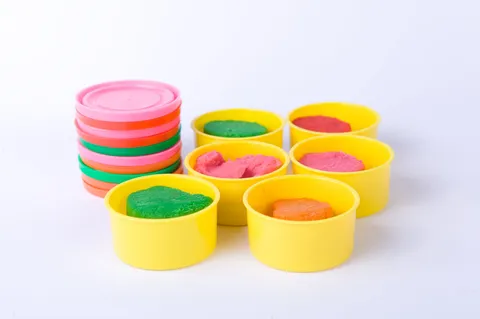
They finish everything in five minutes. Add one open-ended item, such as a blank notebook, blocks or modeling clay, and prepare a slightly larger basket.
They keep calling for you. Check in briefly at set times (“I’ll come see you when the timer is at the halfway mark”) and reward independence with a positive comment afterward.
Siblings share a space. Give each child their own basket and a defined spot, and keep a clear rule that quiet time means quiet for everyone.
A simple daily quiet-time routine to copy
- Announce it: “Quiet time starts after lunch.”
- Set the timer together.
- Let your child choose two items from the basket.
- Start the timer and leave.
- Check in once, briefly, then let it run.
- When the timer rings, praise something specific: “You worked on that puzzle for a long time.”
Give it a few weeks. Most children move from resisting to expecting quiet time, and many begin to ask for their favorite activities by name.