A rainy afternoon, a cold snap or a long day at home with a toddler and a four-year-old can feel endless. The good news is that children under five do not need elaborate setups. They need a safe space, a few simple things to explore and an adult who joins in now and then.
This hub gathers indoor activities for kids under 5 by age, from toddlers to four-year-olds, and links to our more detailed guides: activities for toddlers and two-year-olds, activities for 3 year olds and indoor activities for 4 year olds. Every child develops at their own pace, so treat the ages as rough guides.
Set up a space that says yes
Before the activities, a few set-up habits save energy:
- Clear a safe zone. A corner or a rug where it is fine to make a mess, with fragile items out of reach.
- Rotate toys. Keep most toys in a box and put out a small selection. Swapping them weekly makes old toys feel new.
- Keep supplies together. A basket with paper, crayons, tape, safe scissors for supervised use, and a few cardboard tubes is a reliable go-to.
- Mix energy levels. Follow a lively activity with a calm one, and the other way round.
Ages 1 to 2: touch, fill, stack and move
At this age, play is about exploring with hands and mouth and learning cause and effect. Stay within arm’s reach.
- Fill and empty. Give a large plastic bowl and a few safe objects such as wooden spoons or soft balls, and let your child put things in and tip them out.
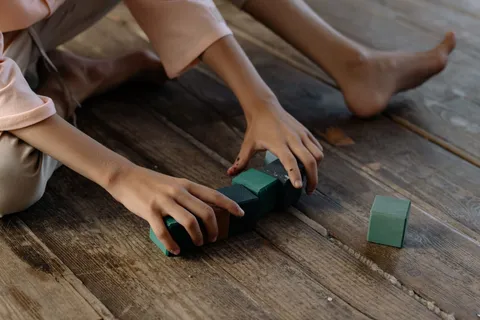
- Stacking. Soft blocks, plastic cups or cardboard boxes make good towers, and knocking them down is half the fun.
- Treasure basket. Collect a few safe everyday items with different textures: a wooden spoon, a soft brush, a silicone spatula, a scarf. Check each item is too large to be a choking risk.
- Dance and stop. Play music, move together, then freeze when it stops.
- Peekaboo and hiding games. Hide a toy under a cloth and let your child find it.
- Simple songs and rhymes. Action songs with clapping or tapping need nothing but you.
Ages 2 to 3: pretend, sort and make
Two- and three-year-olds start pretending, copying adults and sorting. They also want to do things themselves.
- Pretend kitchen or shop. Pots, wooden spoons and play food (or empty clean boxes) become a café.
- Sorting by colour. Sort coloured socks, blocks or paper circles into bowls.
- Sticker pictures. Stickers on paper build fine motor skills. Peel the first corner for them.
- Dough play. Play dough with rolling pins and cutters. Supervise closely, as children this age may try to taste it.
- Cardboard box adventures. A big box can be a car, a house or a boat.
- Water play in the bath. Pouring and splashing with cups and spoons. Never leave a child unattended near water.
A printable activity book can also help with early learning during quiet time. My First Learning Busy Book: Letters, Numbers, Colors & Shapes is a 20-page printable PDF for ages 2 to 4 with tracing, colouring, counting, matching and review activities, and it covers letters A to Z, numbers 1 to 10, colours and basic shapes. Sit beside your child, point to the pictures and let them scribble or trace in whatever way they like.
Ages 3 to 4: build, imagine and play simple games
Three- and four-year-olds can follow short instructions, take turns (with help) and enjoy longer imaginative play.
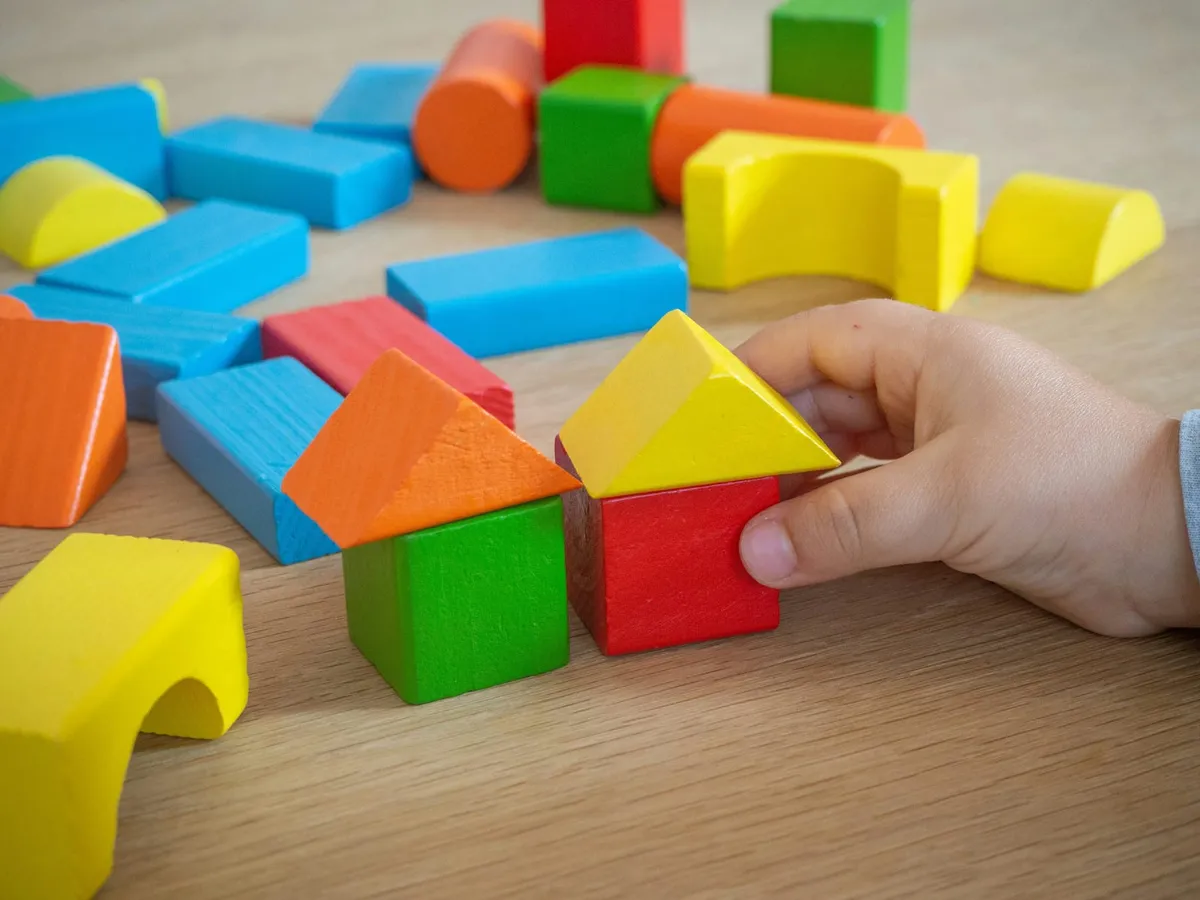
- Building challenges. “Can you build a bridge for this toy car?” Use blocks, books or boxes.
- Pretend play stories. A teddy bear’s hospital, a space rocket from a laundry basket, a zoo with soft toys.
- Indoor scavenger hunt. Ask them to find something red, something soft, something round. Use pictures instead of words for non-readers.
- Matching and memory games. Draw pairs of simple pictures on cards and play memory with a few pairs, adding more when ready.
- Drawing prompts. “Draw your favourite animal wearing a hat.” Talk about the picture afterwards.
- Simple games with rules. Hide-and-seek, “Simon says” and rolling a ball to each other all introduce turns and rules.
- Mazes, matching and early puzzles on paper. Our printable-friendly option is The Ultimate Kids’ Activity Book — Screen-Free Games & Puzzles, a printable workbook for ages 4 to 8 with puzzles, mazes, matching games and drawing prompts, designed to reduce boredom and screen time. Some pages may be better for the older end of the range, so preview before printing and let a four-year-old try the easiest ones with you.
A simple daily rhythm
Rather than planning every minute, many families find a loose rhythm helps:
- Morning active play: movement, building or an obstacle course of cushions.
- Mid-morning snack and story.
- Creative or sensory play: dough, drawing or water play.
- Lunch and quiet time: a book, a puzzle or a rest. Even if your child no longer naps, a calm hour for everyone can reset the day.
- Afternoon helper time: let your child help with simple, safe chores such as matching socks or wiping a table.
- Evening wind-down: a bath, lights lower, a story.
Quiet-time ideas for when you need a break
- Audio stories or songs while your child lies on the floor and draws.
- A tray of small tasks: matching cards, a puzzle with a few large pieces, a basket of books.
- A “busy bag” rotation. Prepare a few zip bags with one activity each, such as threading large beads (for children past the mouthing stage) or sticker sheets, and offer one at a time.
- Blanket fort reading nook. Once it is built, books and soft toys can keep it a calm place.
Safety notes for children under 5
- Choking hazards: keep small objects, balloons, coins, button batteries and magnets away from children under three, and check labels on toys.
- Water: stay within arm’s reach during any water play, and empty containers afterwards.
- Strings and cords: do not leave children alone with long string, ribbon or blind cords.
- Scissors, tape and glue: use child-safe versions and supervise.
- Food allergies: be careful with sensory activities that use food, and avoid them if your child has allergies or still puts everything in their mouth.
- Screens and rest: if you are worried about your child’s development, speak with your paediatrician or health visitor.
Frequently asked questions
What are good indoor activities for kids under 5?
Building with blocks or boxes, pretend play, music and dancing, simple sensory play, drawing and sticker activities, hide-and-seek, story time and tidy-up games all suit this age range. Adapt to your child’s stage.
How do I keep a toddler busy indoors?
Offer short, hands-on tasks such as filling and emptying containers, posting objects through a hole, stacking, or moving to music. Rotate a small set of toys and change activities when interest fades.
How long should indoor activities last for kids under 5?
Often about 5 to 20 minutes depending on age and interest. Open-ended play such as building or pretend play may last longer. Follow your child’s cues rather than a clock.
What if my child will not play independently?
That is common at this age. Start by playing alongside them for a few minutes, then step back gradually. Setting up an inviting activity in advance and keeping it simple helps.